Your cat strolls up, head-butts your shin, and then smears their cheeks all over the couch like it’s a face spa. Cute? Absolutely. Random? Not even close. Your feline friend is running a tiny, very serious fragrance empire—and you’re part of the product line.
The Nose Knows: Why Scent Runs the Cat World
Cats trust their noses more than we trust our phones. They see the world through smell. That slow rub along the table leg? That’s a scent memo. Head-butting your forehead? That’s a love note with a side of property claim.
Cats produce scent from special glands and use it to say everything from “mine” to “I feel safe here.” It looks simple, but this ritual builds their social life, reduces stress, and keeps their world nice and predictable.
Meet the Scent Glands: Tiny Perfume Factories
Cats stash scent glands in a bunch of places, and they use them like a toolkit.
- Cheeks and lips: The VIPs of friendly marking. When they rub their face, they lay down “good vibes only” signals.
- Forehead: You’ll see this in head-butting (aka bunting). It marks you as a trusted friend, not just a treat dispenser. Okay, both.
- Chin: Subtle, frequent rubs that blend easily into daily life. Think “soft claim.”
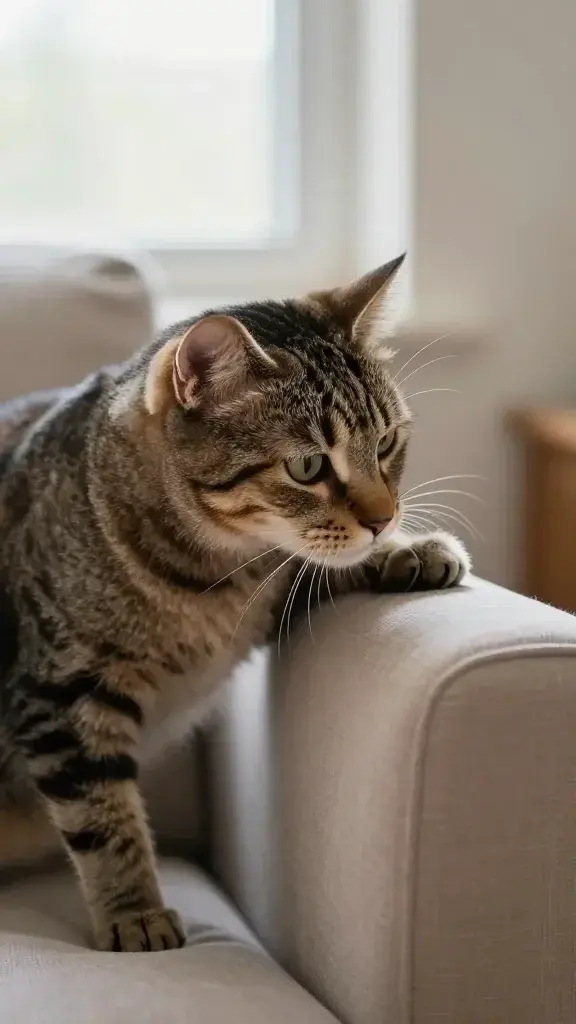
- Paws: Scratching leaves both visual marks and scent, which is why your couch looks “loved.”
- Base of tail and flanks: Side-body rubs against your legs or door frames layer more scent for reinforcement.
What’s in the Scent?
Those glands release pheromones—chemical signals that communicate comfort, familiarity, and status. To us, it smells like nothing. To cats, it’s basically a group chat with excellent boundaries.
Rubbing = Relationship Status
When your cat rubs their face on you, they do more than mark territory. They build social bonds.
- Bunting on humans: “You’re safe. You’re mine. Also, feed me.” It’s affectionate and claims you at the same time.
- Cat-to-cat rubbing: Friendly cats exchange scent on faces and bodies to create a shared “family” smell. It reduces tension and signals peace.
- Rubbing new objects: “I don’t trust you yet, lamp, but you’ll do.” Scenting helps them accept changes.
IMO, if a cat picks you to bunting-butt on the regular, you’ve cracked their inner circle. Wear that status with pride (and lint).
Territory 101: Mapping the House With Whiskers
Your cat divides home turf into zones: dining, playing, napping, patrolling. Scent marks keep the map stable.
- Door frames and chair legs: High-traffic “signposts” to keep the vibe consistent.
- Windowsills: Strategic rubs near lookout points say, “Guarded by the fluff brigade.”
- Your legs and shoes: You travel outside, so you bring “weird” smells back. They fix that by re-branding you immediately.
New Stuff? New Smells. New Ritual.
Bring home a package? Your cat will investigate, sniff, and rub. They overwrite unknown odors with familiar ones. FYI, that’s how they turn chaos into “my home.”
Comfort First: Scent as Anxiety Armor
Cats crave predictability. Their scent marks create a calming, familiar environment that helps them chill.
Signs your cat uses rubbing for comfort:
- They rub more after visitors leave or furniture moves.
- They head-butt you after a vet visit like they’re rebooting the love software.
- They do a rub circuit when you get home—door, you, bag, you again.
You can support this by offering consistent routines, safe zones, and letting them rub things without interruption. Don’t wipe off their scent spots constantly. Give their “home signature” time to settle.
When Rubbing Goes From Cute to “Hmm”
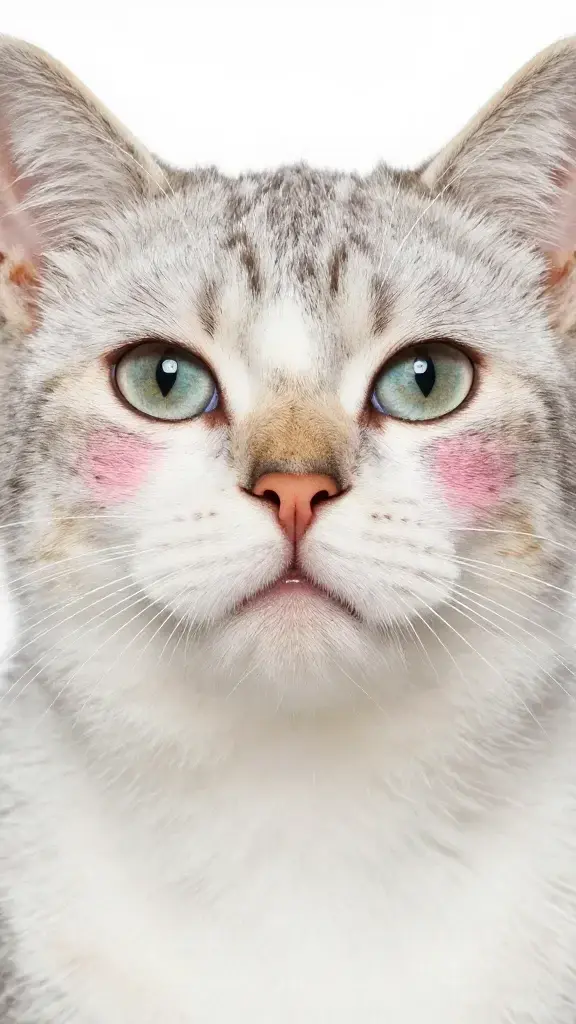
Most rubbing = normal. But sometimes it signals discomfort or health issues.
Watch for these red flags:
- Obsessive rubbing to the point of irritation or hair loss.
- Rubbing plus head pressing against walls for long periods (not the same as bunting). That can indicate neurological issues—call your vet.
- Rubbing plus scratching around the face could mean allergies, dental pain, or ear problems.
- Sudden increase in marking after big changes might mean stress. Help them adjust gradually.
Vet Time vs. Vibe Check
If your cat still acts normal—eats, plays, uses the litter box—then increased rubbing likely means “new smells, must fix.” If they lose appetite, hide, or look uncomfortable, loop in your vet.
How to Be a Great Scent Assistant
You can make scent-marking work for both of you—less stress for the cat, fewer shredded chairs for you.
Practical tips:
- Give them rubbing stations: Place scratchers and vertical posts near doorways and windows. Add textured surfaces they love.
- Use pheromone diffusers: Synthetic feline facial pheromones can soothe anxious cats and reduce territorial spats.
- Don’t overclean core paths: Wipe for hygiene, but not daily. Leave favorite rub points alone longer.
- Introduce changes slowly: New furniture? Put it in one room first. Let your cat sniff and rub it on their timeline.
- Reward confidence: Pair exploration with treats and play to build positive associations.
Bringing Home a New Cat?
Use scent swapping before any face-to-face meeting:
- Exchange blankets or beds between cats.
- Rub a soft cloth on one cat’s cheeks, then place it near the other cat’s resting area.
- Feed on opposite sides of a door so they associate the other cat’s scent with good things.
IMO, slow intros save everyone’s sanity.
Why Your Cat Rubs You Specifically
Short answer: You’re important to them. Also, you smell weird and need “fixing.”
- Bonding: Face rubs and head-butts mark you as family.
- Claiming: Your trips outside add rogue odors. They re-scent you to keep the coalition aligned.
- Attention: They learn that rubs lead to pets or treats. Smart little marketers.
Should You Rub Back?
Yes, gently. Offer your forehead or knuckles at their level and let them initiate. Avoid grabbing their face—consent matters, even in cuddle economics.
FAQ
Is face rubbing the same as spraying?
Nope. Face rubbing uses facial glands to lay down friendly, low-stress scent. Spraying involves urine marking and often signals stress or territorial disputes. If spraying happens, check litter box setup, household changes, and talk to your vet.
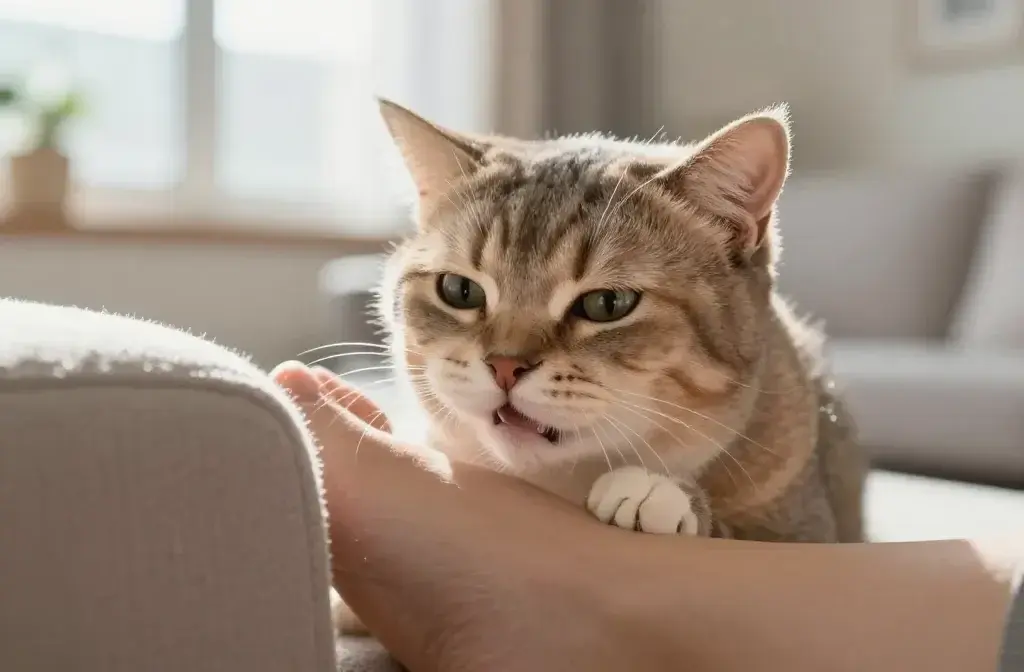
Why does my cat rub and then bite?
That quick nip often means overstimulation or a playful “gotcha.” Some cats ramp up during affection and switch to play mode. Watch their tail and ears—if the tail flicks fast or ears angle back, ease off before the chomp.
My cat rubs everything after I clean. Normal?
Totally. You removed their signature, so they reapply it. Consider unscented cleaners and avoid scrubbing their favorite rub zones constantly. Let their home smell like “them.”
Do cats rub more when stressed?
Sometimes, yes. They’ll re-scent spaces after changes to rebuild a sense of safety. Pair environmental tweaks with vertical spaces, hiding spots, and pheromones if stress runs high.
Why does my cat rub my phone or laptop?
Because those objects steal your attention and carry odd smells. Your cat claims them—and by extension, your attention. Bonus: warm electronics feel nice. Guard those keyboards.
Does rubbing mean my cat loves me?
It’s a strong sign of trust and affection. It also marks you as part of their inner circle. Love and ownership can coexist—ask any cat.
Wrap-Up: The Silent Language of Smell
Cats rub their faces on everything because scent shapes their world. It builds bonds, maps territory, and keeps their stress down. When your cat bunts your cheek or drapes themselves across your shoes, they don’t just say “mine.” They say “you’re home.” And honestly, that’s the best cologne you’ll ever wear—fur included, FYI.