
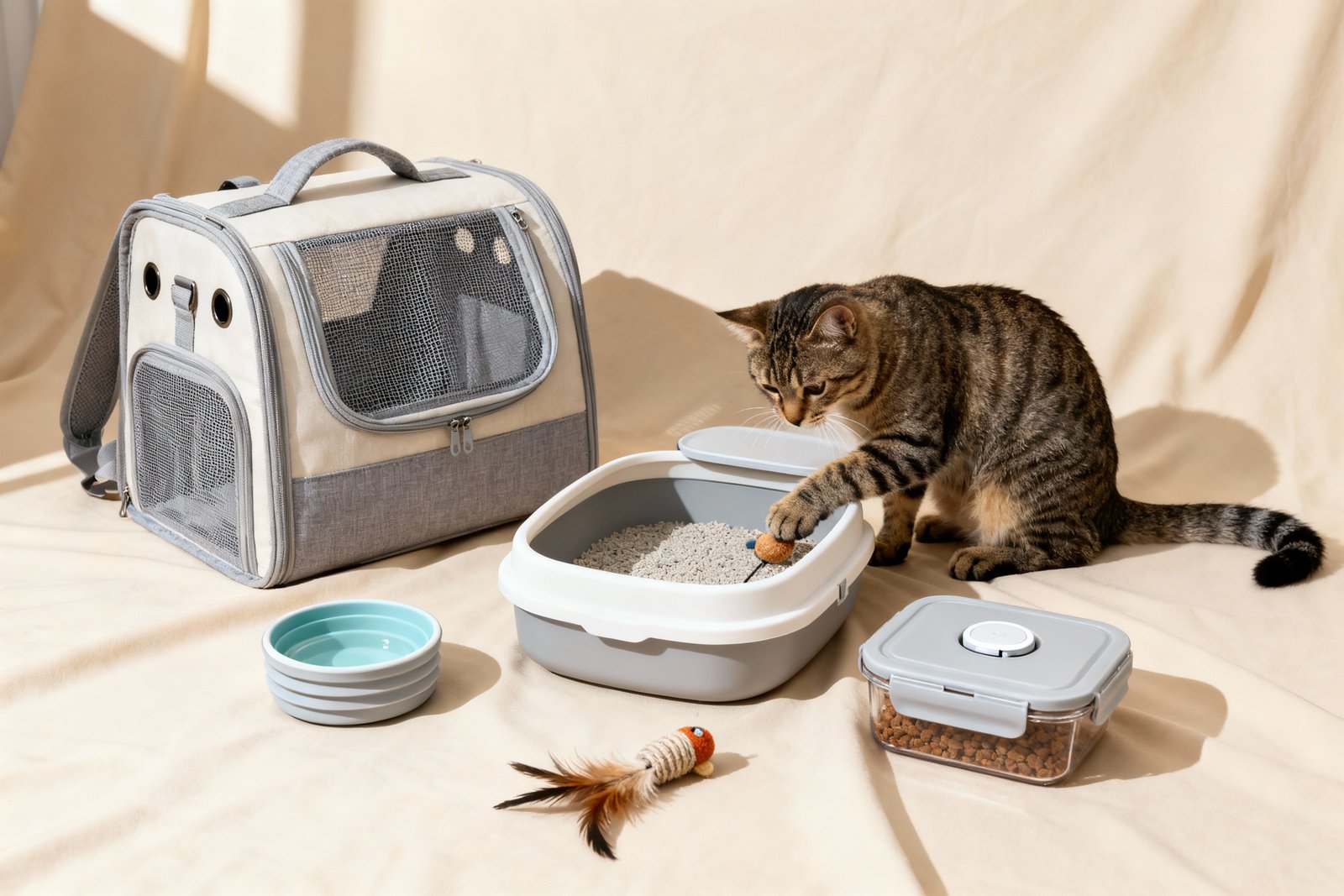
Traveling with a cat can feel like negotiating with a tiny, fluffy CEO who hates change and demands snacks on schedule. You want them calm, comfy, and safe—without turning your trip into a stress spiral. Good news: with the right gear and a little planning, you’ll both survive (and maybe even enjoy) the journey.
Let’s pack smart and keep the drama to a minimum.
The Carrier: Your Cat’s Mobile Home

You wouldn’t road-trip without a seatbelt, right? Same for your cat. A solid carrier matters more than anything else.
Look for a sturdy, well-ventilated, top-loading carrier that gives your cat a secure den vibe.
What to Look For
- Size: Big enough for your cat to stand, turn, and lie down comfortably. Not a warehouse.
- Top and front entry: Easier loading equals fewer battles.
- Washable padding: Accidents happen. You want removable, machine-washable liners.
- Airline-approved (if flying): Soft-sided carriers with flexible height usually fit under seats.
- Secure zippers: Some cats can open zippers.Add clips if you live with a furry Houdini.
Pro Setup Tips
- Pre-trip training: Leave the carrier open at home with treats and a blanket inside so it becomes a safe spot.
- Familiar smells: Toss in a shirt you’ve worn or your cat’s favorite blanket to reduce anxiety.
- ID tags on the carrier: Include your phone and destination address, just in case.
Comfort and Calming: Keep the Drama Low
Cats thrive on routine. Travel laughs in routine’s face. Help your cat cope with calming aids and comfort items that feel familiar.
Best Calming Options
- Pheromone sprays or wipes: Feliway on the carrier bedding 15 minutes before loading.It helps, IMO.
- Vet-approved meds: If your cat panics, ask your vet about anti-anxiety options or gabapentin. Test at home first.
- Calming chews: L-theanine or tryptophan formulas work for some cats.
- Soft blanket or donut bed: Familiar texture = instant chill.

Food, Water, and Litter: The Holy Trinity
Stomachs don’t care that you’re on vacation. Pack like the responsible butler your cat thinks you are.
Food and Hydration Kit
- Pre-portioned meals: Zip-top bags or small containers make feeding easy.
- Collapsible bowls: Lightweight and space-saving.
- Travel water bottle: Bring your own water for the first day to avoid tummy drama.
- Treats: Use them to reward calm behavior.Bribery works.
Portable Litter Strategy
- Foldable litter box: Waterproof fabric or pop-up versions travel well.
- Small bag of litter: Stick with your cat’s usual type. Change = rebellion.
- Poop bags and scoop: Keep it clean and discreet.
- Disposable pads: Line hotel bathrooms for extra protection.
Safety and Identification: Non-Negotiable Stuff
You hope you’ll never need this, but you’ll thank yourself if you do. Travel can create escape opportunities, and cats sprint like tiny Olympians.
ID and Health Essentials
- Microchip with updated info: If your cat isn’t chipped, do it before traveling.
- Breakaway collar + ID tag: Add your phone and secondary contact.
- Photo of your cat: Keep a recent one on your phone for quick sharing.
- Vet records: Print or save vaccine proof and medical history.Some hotels or airlines ask for it.
First Aid Basics
- Pet-safe antiseptic and gauze
- Tweezers for splinters or ticks
- Styptic powder for minor nail bleeds
- Any regular meds in labeled containers

Car, Plane, or Train: Travel-Specific Gear
Different rides need different tactics. FYI, not all carriers or setups work everywhere.
Road Trips
- Seatbelt harness or carrier buckle: Secure the carrier with a seatbelt through the handle or loops.
- Sunshade: Keep the carrier out of direct sun. Cats overheat fast.
- Temperature control: Pre-cool the car.No exceptions. Never leave your cat alone in the car, even for “just a minute.”
- Quiet playlist: Classical or white noise can help. Your EDM mix?Maybe later.
Flights
- Airline-approved carrier: Check size limits and pet policies before booking.
- Absorbent liner + pee pad: Just in case. Replace during layovers.
- No pre-flight feast: Light meal 4–6 hours before boarding to prevent nausea.
- Security screening plan: You’ll carry your cat through the scanner while the carrier gets X-rayed. Use a harness and leash to avoid escape.
Trains and Public Transit
- Quiet, discreet setup: Soft carrier with good ventilation and privacy flaps.
- Under-seat placement: Keep the carrier stable and close to you.
- Check local rules: Some systems require tickets or paperwork for pets.
Hotel and Airbnb Survival Kit

New spaces can freak cats out.
Plan a quick setup so your cat feels secure from minute one.
Room Setup Tips
- Designate a “cat zone”: Bathroom or quiet corner with litter, water, and bed.
- Block hiding hazards: Cover gaps under beds or behind appliances with towels or bags.
- Door discipline: Put a “Do Not Disturb” sign up and tell hosts about the cat. Escape prevention = sanity.
- Routine: Feed at regular times, keep the same litter, and set playtime windows.
Bonus Gear That Makes Life Easier
Not mandatory, but highly recommended. These little upgrades can turn chaos into “hey, this isn’t bad.”
- Harness and leash: For safe stretches and quick transfers.Train before you travel.
- Portable scratcher: Cardboard scratch pads save furniture and let your cat de-stress.
- Interactive toys: Wand toys, a few mice, or a small puzzle feeder to beat boredom.
- Pet wipes: Clean paws, carriers, or mystery messes.
- Small flashlight: Night check-ins without flipping all the lights and spooking your cat.
Packing Checklist (So You Don’t Forget Stuff)
- Carrier with bedding and ID
- Food (pre-portioned) and treats
- Water and collapsible bowls
- Foldable litter box, litter, scoop, bags
- Harness and leash
- Calming aids (pheromones/meds)
- Vet records and any prescriptions
- First aid basics
- Toys and scratcher
- Wipes, pee pads, and trash bags
FAQ
How long can a cat safely stay in a carrier?
Most cats handle 6–8 hours with breaks. Offer water every few hours, and plan a litter stop on longer trips. For flights, use an absorbent pad and give water at layovers.
Should I sedate my cat for travel?
Only if your vet recommends it.
Sedation can affect breathing, especially on flights. Many vets prefer mild anxiolytics like gabapentin instead of full sedation. Test any medication at home first, IMO.
Can I let my cat roam the car?
Nope.
Loose cats become projectiles in sudden stops and can distract the driver. Keep your cat in a secured carrier or a crash-tested harness setup. Safety first, always.
What if my cat refuses to eat or use the litter box while traveling?
Totally normal for the first day.
Keep things quiet and familiar, offer their usual food, and place the litter box in a low-traffic area. If your cat refuses food or water for over 24 hours, call your vet.
Do I need special paperwork for flights?
Usually you need proof of rabies vaccination and sometimes a health certificate dated within 10 days of travel. Check your airline and destination rules well in advance.
International trips can require more documentation, FYI.
How do I handle hotel housekeeping with a cat?
Use the “Do Not Disturb” sign and tell the front desk you have a pet. If you want cleaning, schedule it while you’re in the room and keep your cat secured in the carrier.
Wrap-Up
Travel with a cat doesn’t have to feel like a heist movie. Pack the essentials, stick to familiar routines, and build a cozy mini-home wherever you land.
With the right carrier, comfort tools, and a little prep, your whiskered co-pilot will handle the adventure like a pro—attitude and all.