
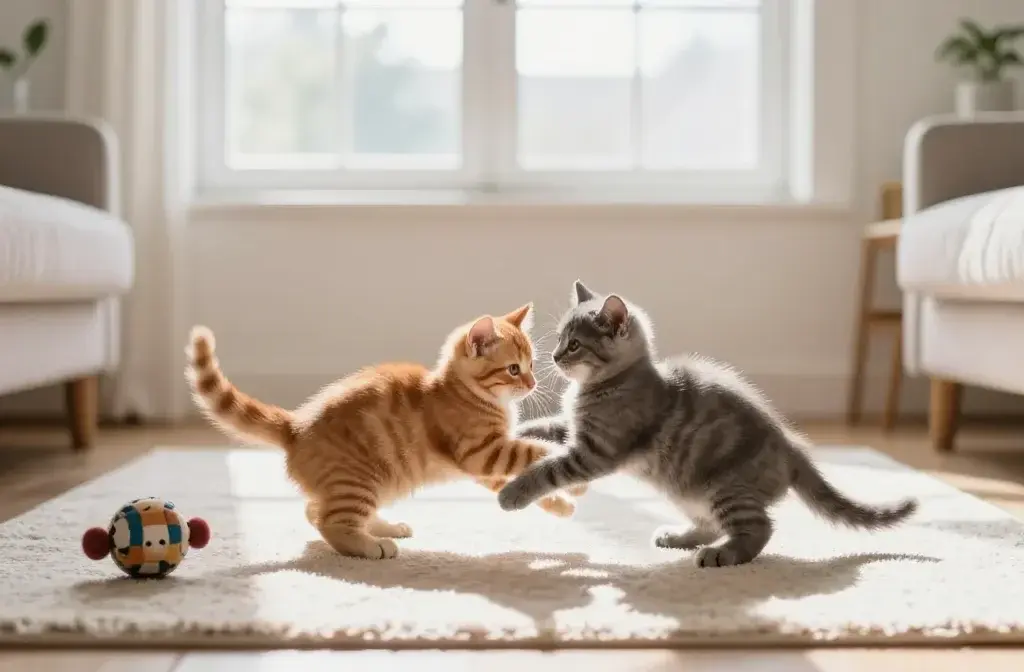
You’re thinking about adopting a kitten and you’re already picturing tiny toe beans and chaotic zoomies. But then someone mentions “single kitten syndrome,” and suddenly you’re spiraling down a rabbit hole. Is it real? Do you need two? Are you about to become a full-time kitten referee? Let’s talk about why—counterintuitively—two kittens are often easier than one, and how to decide what’s right for you.
What People Mean by “Single Kitten Syndrome”
“Single kitten syndrome” isn’t a clinical diagnosis. It’s a shortcut term people use for behavioral issues that pop up when a young kitten grows up without another kitten to learn from. Think over-biting, rough play with humans, nonstop meowing, and that “still has settings only labeled chaos” energy.
The gist: kittens learn boundaries—bite inhibition, social cues, how hard is too hard—from another kitten. Without that furry tutor, they practice on you. Your ankles will file a formal complaint.
Why Two Kittens Can Be Easier Than One
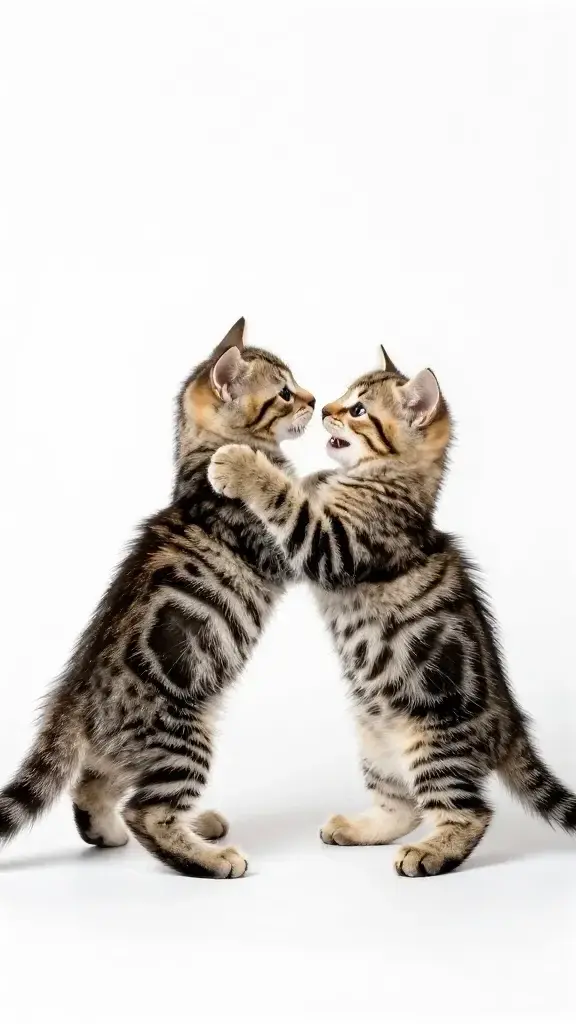
It sounds like twice the trouble, right? But kittens are social sponges. Give them a buddy and you channel a lot of that wild energy into healthy, mutual play.
Here’s how two can actually be easier:
- They tire each other out. Wrestle sessions = fewer 3 a.m. parkour marathons on your face.
- They learn manners faster. A kitten yelps or disengages when a bite is too hard. That feedback loop is gold.
- They get bored less. Bored kittens invent hobbies. Those hobbies often involve your curtains.
- They socialize each other. They practice cat-to-cat language you can’t replicate, unless you plan to learn fluent Meow.
IMO, the biggest win is mental health. Two kittens tend to feel safer and more confident because they have a familiar buddy during every new experience.
The Behavior Stuff: What Changes With a Pair
You’ll see the biggest difference in play and biting. A solo kitten sees your hand as a toy. A duo sees your hand as “the treat machine,” because their play needs get met with each other.
Play Biting and Scratch Control
Two kittens bite each other, yelp, adjust, and try again. They learn pressure control. You can try to teach that yourself, but you don’t have whiskers or a tail, so your feedback lands differently.
Zoomies and Nighttime Shenanigans
Kittens explode with energy at sunrise and bedtime. With a pair, they blast that energy together. You still get zoomies, but they’re less desperate and less pointed directly at you.
Confidence and Independence
Paired kittens handle new spaces and sounds better. They explore together, then nap together, and they don’t cling as hard to one human for everything. FYI, that means you can shower in peace.
But Isn’t Two More Expensive?
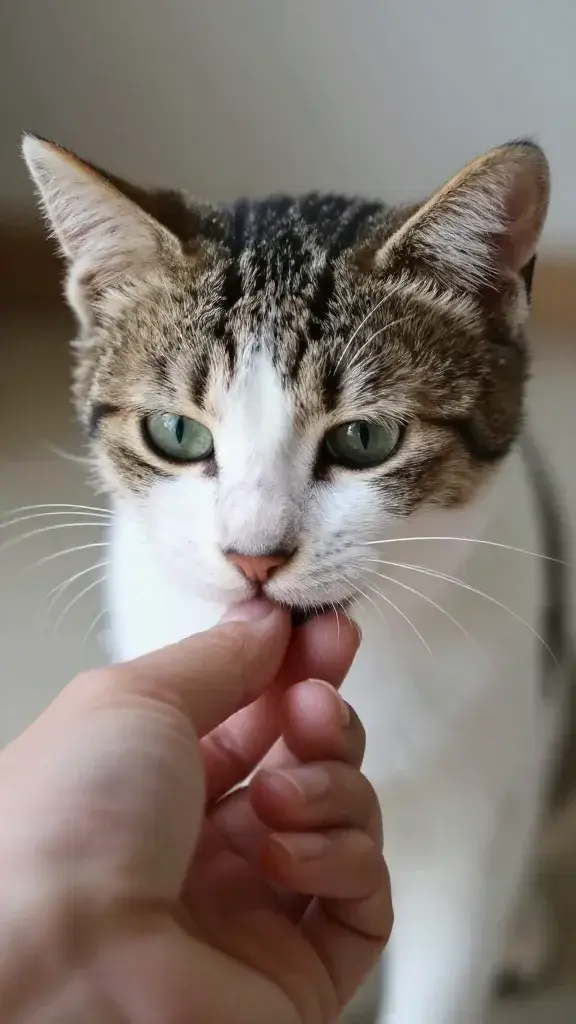
Yes, technically. You’ll double up on vaccines, spay/neuter, microchips, and food. Litter expenses go up too. But some costs don’t double.
Ways the math isn’t as scary as it looks:
- Bulk buying helps. Food and litter get cheaper per unit in larger sizes.
- Starter costs overlap. One big litter box, one large scratching post, one water fountain = shared.
- Fewer behavior-related costs. Less furniture damage, fewer vet visits for stress-related issues, fewer emergency toy replacements.
- Rescues discount bonded pairs. Many shelters lower adoption fees for twins or bonded siblings.
If budget sits top-of-mind, be honest with yourself. Two is not “half-off.” But the long-term peace and fewer headaches? That’s real value.
Best Pairings: Who Makes a Good Duo?
Not every pairing works. You want cats who match energy and temperament.
Great options:
- Siblings around 8–14 weeks. Built-in familiarity and similar play styles.
- Bonded pairs from the shelter. Already besties; you skip the awkward “do you like me?” phase.
- Age-matched kittens. Two evenly matched gremlins = fair play.
Trickier options (not impossible, just nuanced):
- Kitten + senior cat. The senior likely wants naps; the kitten wants WWE. Recipe for grumpiness without careful management.
- Kitten + much older adult. Some adults tolerate kittens, but many get stressed. Introductions must be slow and structured.
What If You Already Have One Adult Cat?
Add a single kitten only if your adult cat genuinely enjoys other cats. If your resident cat is neutral-to-friendly, consider adopting a pair of kittens so they play with each other instead of pestering the adult 24/7.
When One Kitten Makes Sense

Let’s be real: two isn’t always feasible. You might rent a small studio, travel a lot, or have limited funds. One kitten can thrive if you commit to meeting their social and mental needs.
To make a solo kitten work, plan to:
- Schedule multiple play sessions daily. Wand toys, chase games, puzzle feeders—aim for 2–4 sessions of 10–15 minutes each.
- Use bite-safe play. No hands as toys. Ever. Redirect with a toy every time.
- Provide vertical space. Cat trees and shelves reduce boredom and anxiety.
- Offer companionship. Work from home? Great. If not, consider a pet sitter check-in during the early weeks.
- Rotate enrichment. New cardboard boxes, scent swaps, window perches, and foraging toys.
IMO, if you’re out of the house most of the day and you want a kitten, a pair is genuinely kinder and easier for both of you.
Introductions: Getting Two Kittens Started Right
Kittens usually integrate fast, but you should still set them up for success.
Quick-start steps:
- Kitten-proof one room first. Safe zone with litter, food, water, and hiding spots.
- Scent swap for a day. Rub a cloth on each kitten and swap it to normalize their smell.
- Short, supervised meetings. Expect some pouncing and squeaking. That’s normal play learning.
- Multiple resources. Two litter boxes minimum (ideally three), several scratchers, and more than one nap spot.
- Daily play + feed + rest rhythm. Play, then feed, then nap. Repeat. It’s the kitten trifecta.
Red Flags vs. Normal Roughhousing
Normal: chasing, bunny kicks, brief yelps followed by immediate re-engagement, taking turns “winning.”
Red flags: one kitten hides constantly, persistent growling or hissing with no cool-down, injuries, or refusal to eat. Separate and reset if you see those.
FAQ
Is “single kitten syndrome” an official diagnosis?
Nope. It’s a commonly used phrase to describe over-arousal, rough play, and socialization gaps in solo-raised kittens. The concept reflects developmental realities, but it isn’t a veterinary term.
What age is best to adopt kittens in pairs?
Eight to fourteen weeks hits the sweet spot for bonding and learning. Younger than eight requires extra care; older than four months can still work, especially with already-bonded pairs.
Will two kittens bond with me or just each other?
They’ll bond with you, too. They rely on you for food, play, and safety. Daily interactive play cements that bond and channels their energy constructively.
Do two kittens need more space?
Not necessarily. Vertical space matters more than square footage. Give them a tall cat tree, window perches, and clear routes to zoom, and even a small apartment can work well.
Can I pair a kitten with an adult dog?
Yes, if your dog is cat-safe and you introduce them gradually. Use gates, leashes, and reward calm behavior. Still, a kitten often does best with a feline playmate for cat-specific social needs.
What if I adopt one first and add a second later?
That can work, especially if the first stays under six months. Younger kittens accept new playmates more easily. Aim for a similar energy level and do a slow introduction.
Bottom Line
Two kittens might sound like double trouble, but they usually make your life easier—and their lives richer. They learn manners faster, burn off energy together, and settle into your home with more confidence. If your budget and schedule allow it, a pair is a win-win. If not, you can absolutely raise a happy solo kitten—just commit to being the playmate, teacher, and enrichment department. Your ankles will thank you either way.