
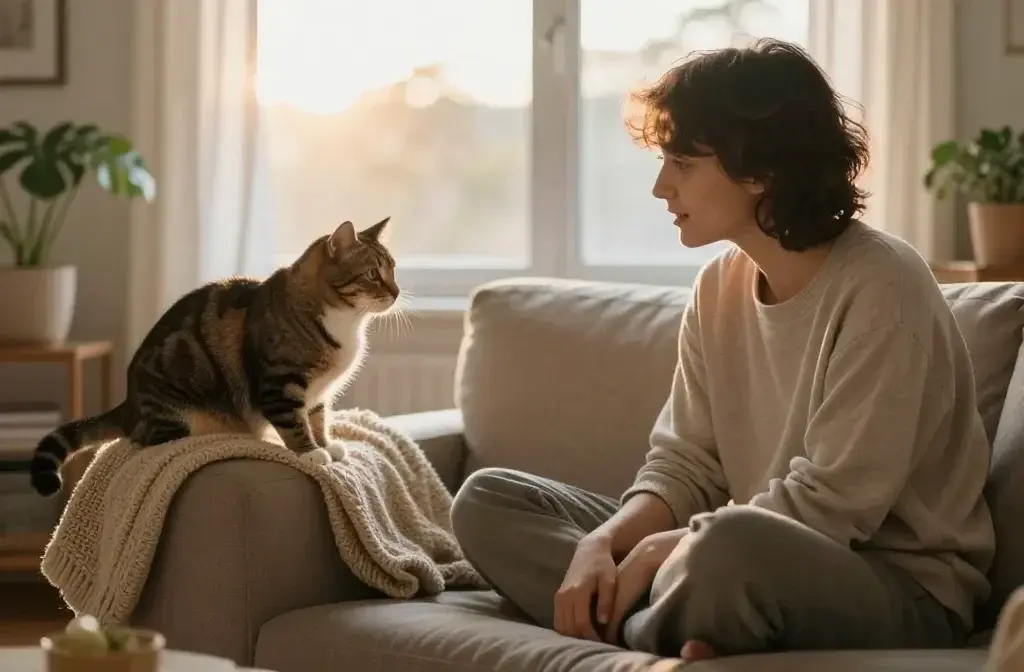
You talk to your cat. Out loud. In full sentences. Maybe with a weird voice you’d never use with another human. Good. Keep doing that. It’s not just cute—it’s genuinely good for your brain and your heart. And no, you don’t need your cat to answer back. Those slow blinks count.
Why Talking to Your Cat Feels So Dang Comforting
We all crave a low-stakes listener. Your cat doesn’t judge your messy kitchen or your questionable life choices. You get to vent, narrate, and celebrate without a single “Well, actually.”
Talking out loud helps you process emotions. When you say things like “Today was rough” or “I’m proud of that email,” you label feelings and experiences. That simple act can turn vague stress into something your brain can manage. Cats just happen to make the best audience—soft, quiet, occasionally loaf-shaped.
Plus, routine chats create safety signals. Your brain learns: “When I talk to Muffin, I feel calm.” Predictable, soothing interactions lower anxiety, even on days that spiral.
The Science (Light and Furry)
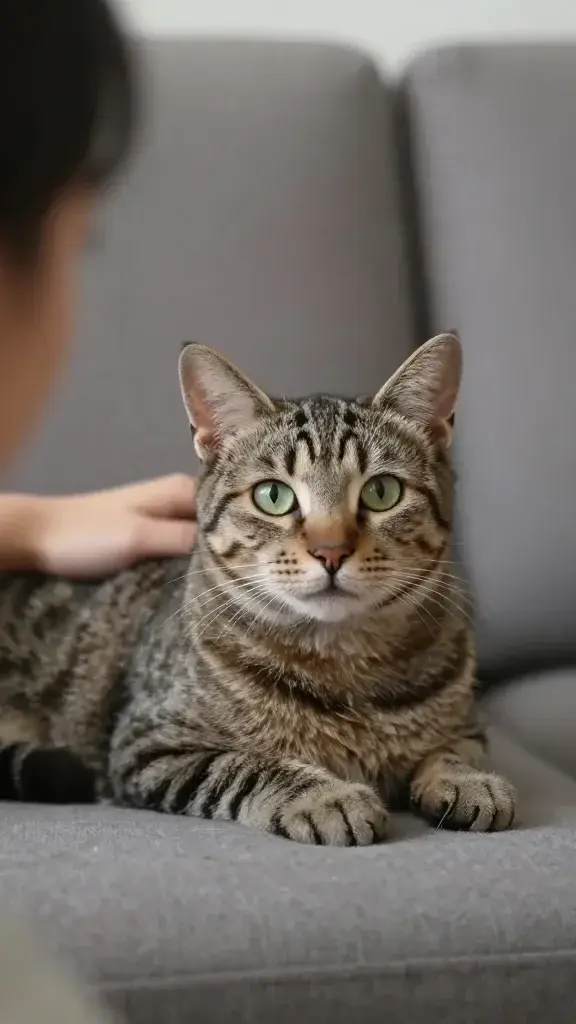
You don’t need a lab coat to get this, but FYI, there’s legit research behind pet interactions and mental wellbeing.
- Oxytocin bump: Petting and making eye contact with a familiar animal can increase oxytocin, aka the “bonding” hormone. Talking sweetly can cue that connection.
- Stress reduction: Animals often help lower cortisol. Gentle conversation + purrs = chill vibes: science edition.
- Social surrogates: Pets can fill social needs when human contact feels hard. Talking to your cat gives you company without the small talk tax.
But Do Cats “Get It”?
Your cat probably doesn’t parse your words like a TED Talk. But they recognize tone, rhythm, and your attention. Many cats respond differently to their human’s voice than to others. That’s communication, IMO.
The Emotional Benefits You Actually Feel
You don’t need a spreadsheet to prove it. You feel the difference on Tuesday at 9 p.m. when you’re pouring your heart out while sprinkling kibble.
- Instant grounding: Describing what you’re doing—“I’m making tea, then we’re watching that show”—pulls you out of anxious spirals.
- Loneliness buffer: Saying good morning and good night to a living, purring being softens the quiet.
- Self-compassion practice: You talk to your cat kindly. That tone bleeds into how you talk to yourself.
- Joy magnifier: Celebrating tiny wins (“I folded the laundry!”) lands better when you say it to a furry witness with perfect eyeliner.
The Purr Factor
Many cats purr when you talk to them or pet them. Purrs can promote relaxation for you, too. Think of it like a soothing bass line backing your pep talk.
How to Talk to Your Cat (Without Feeling Weird)
You don’t need a script, but a little structure helps. Try these easy patterns:
- Narrate the mundane: “I’m making breakfast. You’re supervising.” It grounds you and builds routine.
- Name the feeling: “I’m frustrated and tired, but I’m okay.” That’s emotional labeling in a cozy package.
- Offer a plan: “We’ll answer two emails, then cuddle.” Your cat appreciates the cuddle part; you benefit from the plan.
- Give compliments: “You are devastatingly handsome.” It’s silly. It boosts your mood anyway.
- Practice gratitude: “Thanks for keeping me company.” That’s a micro-dose of gratitude, which is great for your mental health.
Timing Matters (A Little)
Aim for calm, predictable moments:
- Morning check-ins while feeding
- After-work decompression during playtime
- Evening wind-down with cuddles
You’re building small rituals. Rituals anchor your day and reduce decision fatigue. Win-win.
But What If My Cat Ignores Me?
Welcome to cats. They acknowledge you on their terms. It’s not personal; it’s feline. The goal isn’t nonstop attention—it’s presence.
Look for tiny signals:
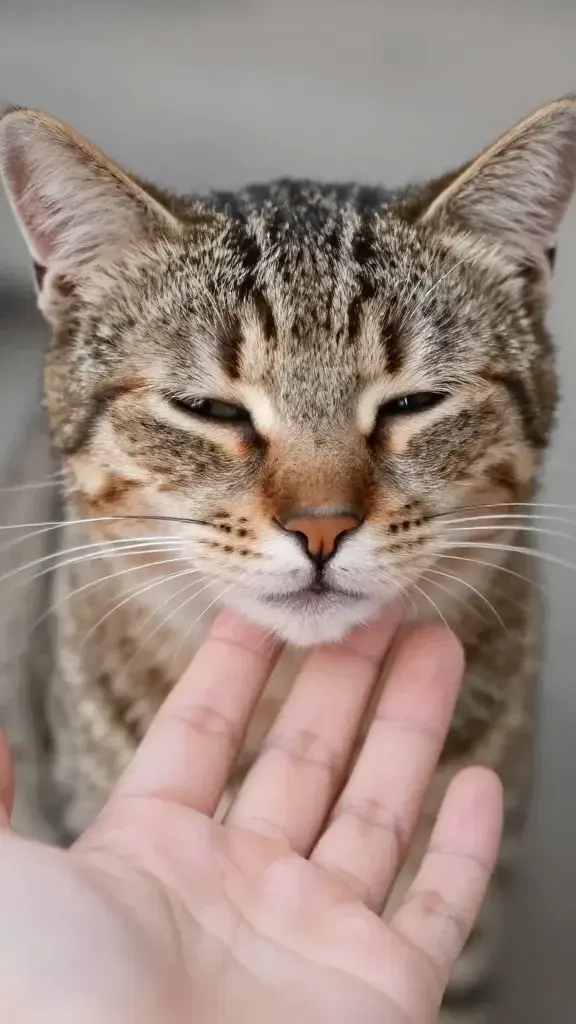
- Slow blinks = affection
- Tail tip twitch = interest
- Sitting nearby (but not touching) = “You’re cool”
If your cat walks away mid-speech? That’s pacing, not rejection. Keep your vibe relaxed. Talk softer. Try again later. Boundaries can be cute.
When They Do Talk Back
Some cats meow-converse. If yours chirps or replies, mirror the tone lightly. Pause between your words. They often time their “responses” to your silence. Adorable? Yes. Effective? Also yes.
Turning Cat Chats into Mental Health Habits

Let’s turn your running commentary into tiny therapy moments. Simple, zero-woo steps:
- Two-minute debrief: While you feed them, say one thing that went well and one thing you’ll release. That’s positive reinforcement + letting go.
- Cat-led mindfulness: Match your breathing to their slow inhales when they’re calm. Say, “In… out…” for 60 seconds.
- Affirmations, but cozy: “We handle hard days. We rest. We try again.” Short, believable lines beat vague mantras.
- Gratitude roll call: List three nice things from today, out loud, while they loaf. Yes, counting “the loaf” as one is valid.
For the Overthinkers
Keep it light. You’re not delivering a courtroom monologue. If your brain spirals, switch to narrating the five senses: what you see, hear, smell, taste, and feel—yes, include “soft fur” if applicable.
Social Stigma Check: No, You’re Not Losing It
Some folks joke that talking to pets equals loneliness. Newsflash: people in thriving relationships talk to their cats, too. It’s a sign of connection, not isolation.
Normalize it:
- Mention your “meetings with the assistant (cat).”
- Share a funny exchange—humor reduces stigma.
- Remember: anthropomorphism helps us care. It’s empathy training, IMO.
If someone rolls their eyes, politely continue living your best cat-parent life. They can talk to their houseplants; we’ll take the purrs.
Make It Enriching for Your Cat Too
You get emotional support. Your cat deserves enrichment.
- Pair voice with action: Say “Hunt time!” then use a wand toy. Voice cues predict play, which builds trust.
- Respect rest: Whisper during naps. Cats prize quiet. You’ll get better engagement later.
- Use their name warmly: Name + soft tone = attention magnet. Reward with a treat or head rub.
Red Flags to Watch
Talking to your cat helps most people. But if you feel intense distress, struggle with daily tasks, or rely on your cat to avoid all human contact, consider adding human support. Pets are incredible; they’re not substitutes for care when you need it. FYI, therapists love pets, too.
FAQ
Does my cat understand my words?
Mostly, they understand your tone, rhythm, and some consistent cues like their name or “treat.” They track your attention and body language better than your vocabulary. The vibe matters more than the wording.
Is it weird to have full conversations with my cat?
Not at all. It’s healthy and common. If it helps you process emotions, feel connected, or stick to routines, you’re doing great.
Can talking to my cat reduce anxiety?
Yes. Gentle, predictable chats can ground you, trigger relaxation, and create calming rituals. Combining it with petting or purr-time boosts the effect.
What if my cat seems annoyed when I talk?
Watch for signs: flattened ears, fast tail swishes, or walking away. Lower your volume, shorten the interaction, and respect their space. Try again when they approach you.
Does this replace therapy or socializing with people?
Nope. It complements both. Think of it as a daily emotional vitamin, not the whole meal. If you need deeper support, add human conversations to the mix.
How long should I spend talking to my cat each day?
Even 3–5 minutes split across the day helps. Tie it to feeding, playtime, and bedtime cuddles. Consistency beats length.
Conclusion
Talking to your cat isn’t quirky—it’s practical self-care wrapped in fur. You get stress relief, routine, and a soft listener who never interrupts. Keep narrating, celebrating, and slow-blinking. Your brain benefits, your cat bonds, and your home gets a little warmer—no meow-to-human dictionary required.