
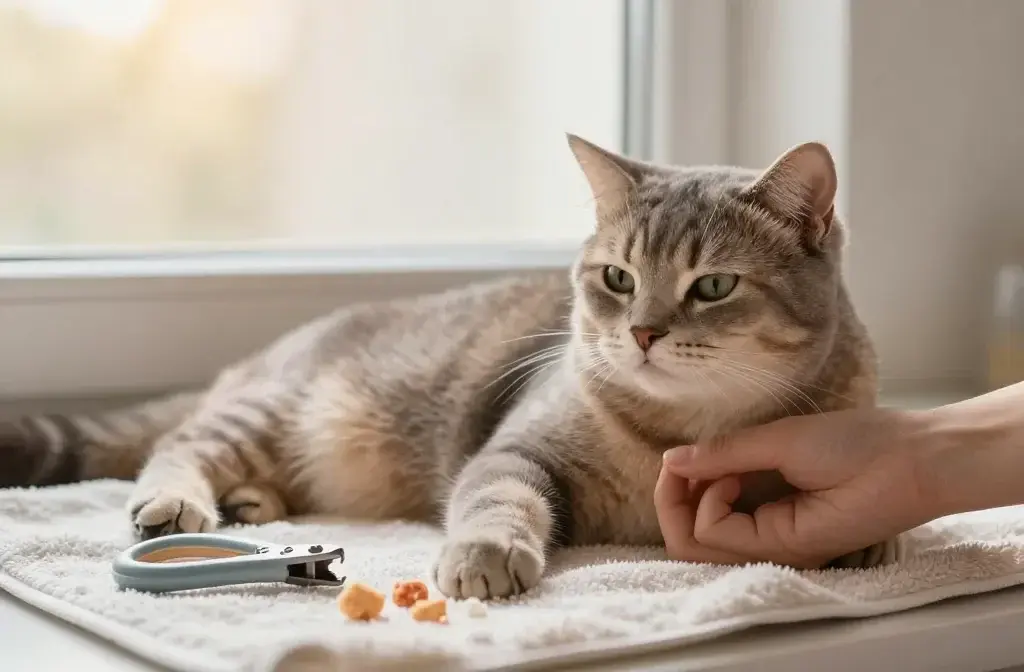
You love your cat. Your cat tolerates you. And somewhere between cuddles and chaos, those razor-sharp talons need a trim. Good news: you can clip your cat’s nails without drama, bloodshed, or betrayal. Here’s a calm, cat-approved protocol that keeps everyone’s dignity intact (yours especially).
Set the Stage: Environment and Timing Matter
You don’t need a spa, but you do need a vibe. Choose a quiet room, warm lighting, and zero sudden noises. Turn on a white noise machine if your place sounds like a racetrack.
Pick your moment wisely. Aim for post-meal, post-play, or mid-nap when your cat melts like warm butter. Hyper cat at 8 p.m.? Hard pass.
Gather your gear first:
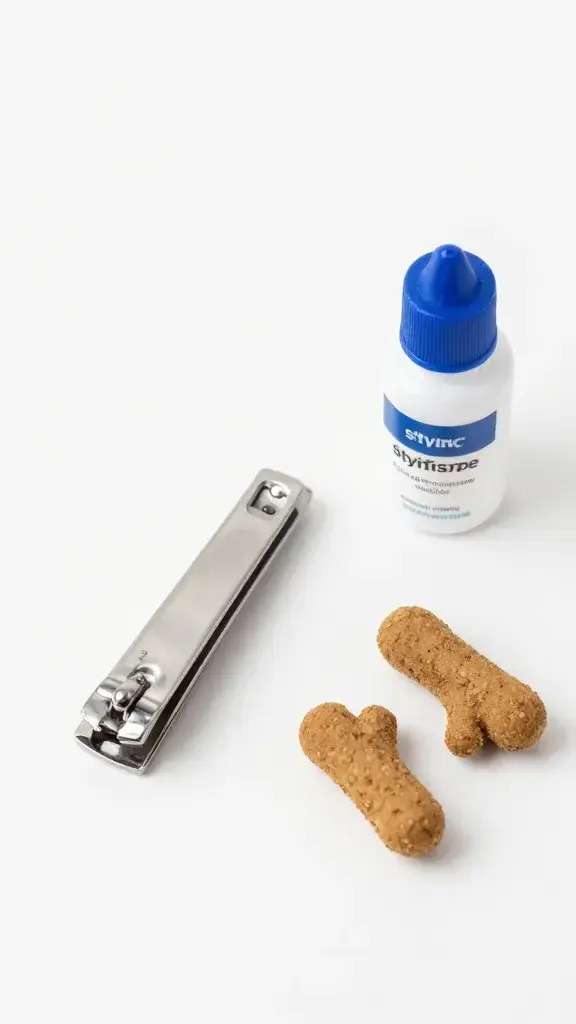
- Cat-safe nail clippers (scissor style or guillotine—whichever you handle best)
- Styptic powder or cornstarch (for accidental nicks)
- High-value treats (churu, freeze-dried chicken, the “jackpot” stuff)
- A soft towel (your chill cape, not a wrestling tool)
- A calm attitude (seriously, they smell fear)
Desensitization: Make Paws a Non-Event
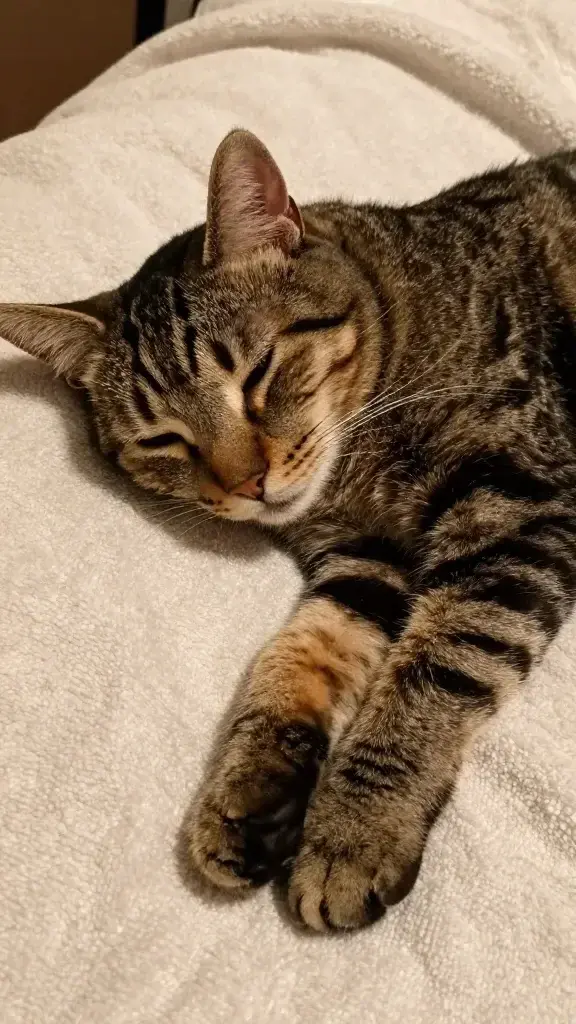
If your cat already side-eyes your hands, start here. You’ll turn paw-handling into a boring, treat-filled routine. No rush, IMO this part makes or breaks the whole process.
Touch, Treat, Retreat
For a few days, pet your cat while they’re relaxed. Gently touch a paw, then treat. Lift a paw, treat. Press the pad to extend a nail, treat. Keep it short—think 30–60 seconds.
Introduce the Clippers
Show the clippers and reward your cat just for sniffing them. Tap the clippers near their paw (don’t clip yet) and give another treat. A few “fake” sessions help your cat stop caring about the sight and sound of the tool.
Pro tip: Pair a special treat or lickable tube that only appears during nail time. Your cat will anticipate rewards instead of doom.
Positioning: Comfort Beats Control
You don’t need a wrestling belt. You need leverage and trust. Try different positions to see what your cat tolerates best.
- Lap lounge: Cat in your lap, facing away from you like you’re the world’s comfiest chair.
- Side snuggle: Cat on their side on a couch or bed, one arm lightly around them.
- Towel burrito (gentle): Wrap loosely, leaving one paw out. Avoid tight swaddles—they can escalate stress.
If your cat squirms, pause, breathe, and reset. The goal: short, successful sessions that build confidence.
Know the Anatomy: Clip the Tip, Avoid the Quick
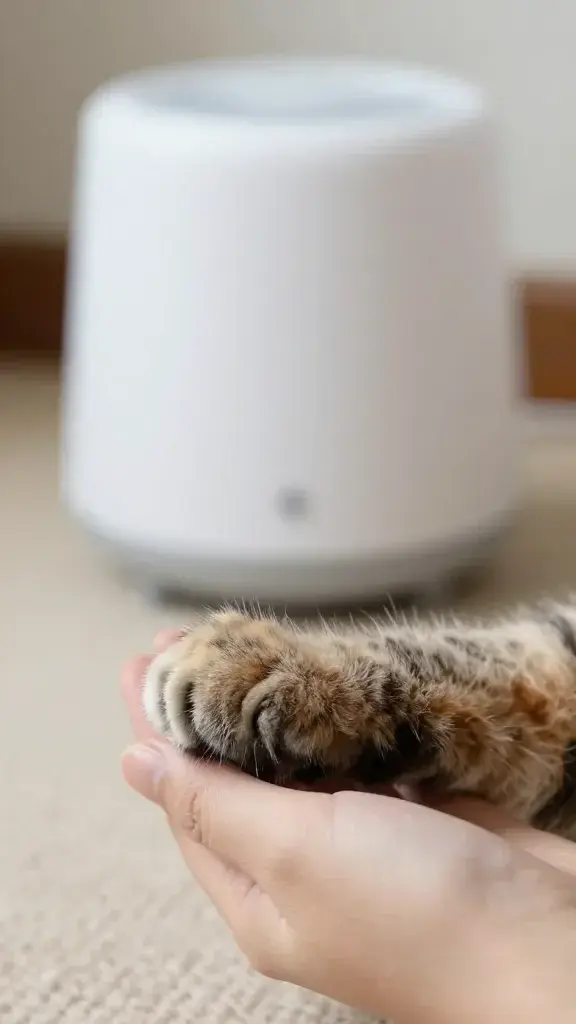
Take a good look at the nail. You’ll see a curved, clear-ish outer shell and a pink area inside called the quick (that’s nerves and blood vessels). You want to avoid that like your cat avoids the carrier.
How Much to Trim
Clip only the sharp, curved tip—just a few millimeters. Angle the clippers slightly downward to follow the nail’s curve. Unsure? Trim less. You can always take another sliver.
What if nails are dark? Trim micro-slices until you see a grayish oval appear at the center of the cut surface. Stop there. That’s your “almost quick” warning.
The Stress-Reduction Protocol (Step-by-Step)
This is your calm, repeatable system. You’ll spend more time treating than trimming, and that’s the point.
- Invite, don’t force. Set up your space and call your cat with a treat. If they walk away, try later. Consent matters (and FYI, bribes help).
- Start with a paw massage. Touch a paw, extend a claw by gently pressing the pad, release, and treat.
- Clip one nail. Just one. Treat immediately like you just won the lottery together.
- Pause. Pet, breathe, maybe switch paws. If your cat stays calm, go for a second nail. Treat again.
- Quit while you’re ahead. If your cat stiffens, tail flicks, or ears flatten, stop for now. End on a win, not a meltdown.
Do a few nails per session. Over a week, you’ll get them all. Slow equals sustainable.
Signals to Respect
- Low growl or tail thwacks = back off
- Rapid breathing or wide pupils = break time
- Head turns to watch your hands = offer a lickable distraction
Remember: You’re teaching that nail time equals snacks, snuggles, and short sessions—not a full-on spa day with jazz music and tears.
Handling Oops Moments
Accidents happen. If you nick the quick, your cat will yelp, and you’ll feel terrible. It’s okay. You got this.
- Apply styptic powder or cornstarch to stop bleeding. Hold gentle pressure for a few seconds.
- Stop the session. Offer a big treat, then give space.
- Next time, trim even less. Confidence rebuilds fast with easy wins.
Special Cases: Senior Cats, Kittens, and Spicy Personalities
You’ll tweak your approach depending on your cat’s age and attitude.
Senior Cats
Older cats have thicker, sometimes brittle nails that overgrow and curl. Trim more often (every 2–3 weeks). Keep sessions extra gentle and check dewclaws—they can curl into the pad if ignored.
Kittens
Start early and keep it fun. Short, daily “touch, treat” sessions create lifelong calm. Tiny clippers help.
Spicy or Fearful Cats
Work in micro-steps. Trim one nail per day while they lick a treat. Use a towel only as a light hug, not a straightjacket. If stress escalates, talk to your vet about pheromone sprays or, IMO, consider a professional groomer for a reset.
Maintenance: Keep It Easy Long-Term
Consistency helps more than heroics. Mark your calendar for trims every 2–4 weeks. Pair sessions with a routine your cat already loves—post-breakfast, after a cuddle, or during TV time.
Bonus hacks:
- Use scratchers (cardboard, sisal) and cat trees to naturally dull tips.
- Keep clippers sharp and clean so they cut, not crush.
- Train a “paw” cue with clicker + treats to make handling a game.
FAQ
How often should I trim my cat’s nails?
Most cats do well every 2–4 weeks. If you hear tap-tap-tap on hard floors or you collect accidental scratches, it’s time. Senior cats or indoor-only loungers may need trims more often.
What type of clippers work best?
Use small animal nail clippers—scissor style gives control, while guillotine style can feel smoother for some people. Try both and pick the one you handle confidently. Human nail clippers work in a pinch for kittens, but they can crush thicker nails.
What if my cat absolutely refuses nail trims?
Scale way back. Do one nail a day with a high-value treat. Try positioning changes and pheromones. If it still flops, book a groomer or vet tech. No shame—outsourcing keeps the relationship intact, IMO.
Can I use sedation or calming treats?
Talk to your vet first. Over-the-counter calming chews or pheromone sprays help mild cases. For true phobia, your vet might prescribe something safe for occasional trims. Never DIY sedatives.
How do I avoid cutting the quick?
Trim only the sharp tip and watch for the pink area (or a gray center on dark nails). Take tiny slices, not chunks. Good lighting helps a lot—lamp over lap is a game changer.
Do I need to trim the back claws?
Yes, but less often. Back claws grow slower and dull more with movement. Check them monthly and trim if they’re sharp or snaggy. Don’t forget the dewclaws on the front paws—they curl fastest.
Conclusion
You can trim your cat’s nails without turning your living room into a battleground. Set the vibe, go slow, trim tiny, and reward like you mean it. With a little practice—and a lot of treats—you’ll turn nail day from “nope” to “doable,” and your furniture (and forearms) will thank you.