Kitten Feeding Guide for Beginners: Everything You Need to Know
Kittens eat like tiny, adorable garbage disposals. The trick? Feeding them the right stuff, in the right way, at the right time—without turning your life into a round-the-clock buffet.
This guide breaks down exactly what to feed, how much, and how often, so your little fuzzball grows into a healthy, confident cat who doesn’t scream at 3 a.m. for snacks. Ready? Let’s talk kitten chow.
Kitten Nutrition 101: What They Actually Need

Kittens aren’t just small cats—they’re growth machines.
They need more protein, fat, and calories than adults. Aim for food labeled “for growth” or “for all life stages”. That label matters.
Look for:
- High protein (ideally animal-based): chicken, turkey, fish.
- Healthy fats for brain and eye development.
- DHA (an omega-3) for brain development—often listed in quality kitten foods.
- Complete and balanced per AAFCO standards (or FEDIAF if you’re in the EU).
You don’t need to decode every micro-nutrient. Just stick to reputable brands with kitten formulas, and you’ll be fine. IMO, overthinking labels causes more stress than benefit.
Milk, Formula, or Solid Food?
Age Matters
Your feeding plan changes as the kitten grows. And yes, the timeline matters a lot.
0–4 Weeks: Bottle Babies
Orphaned kittens need kitten milk replacer (KMR), not cow’s milk. Cow’s milk = diarrhea city.
Use a kitten bottle or syringe and warm the formula to body temperature.
- Frequency: Every 2–3 hours around the clock (sorry).
- Amount: Follow the KMR label by weight; don’t overfeed.
- Bonus: Stimulate them to pee/poop with a warm, damp cloth after each feed.
4–5 Weeks: Weaning Begins
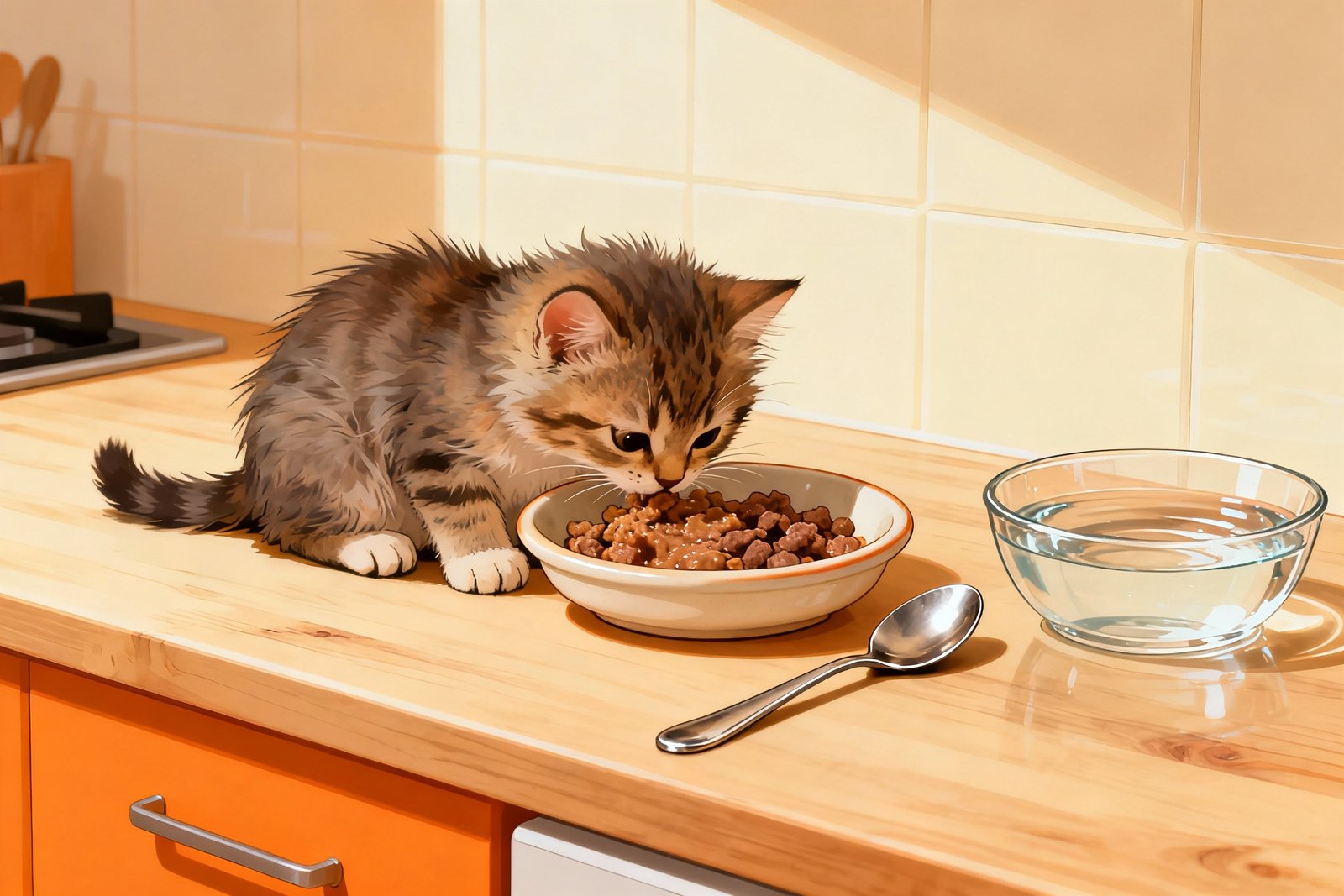
Start introducing a gruel—wet kitten food mixed with warm KMR to soupy consistency. Offer shallow dishes and let them explore. Expect mess.
It’s normal and weirdly cute.
6–8 Weeks: Solid Food Takes Over
Move to mostly wet kitten food, with fresh water always available. They’ll still snack often, but you can space the meals more.
8–12 Weeks: Full-Time Foodie
Offer wet food 3–4 times per day. You can include a small portion of dry kitten kibble if you want, but keep wet food as the main event—hydration matters, and kittens usually eat it better.

How Much and How Often: The Real Schedule
Kittens eat little and often because their stomachs are tiny and their energy needs are bonkers.
Use weight as your guide.
- Under 6 weeks: KMR or wet gruel every 3–4 hours.
- 6–12 weeks: 4 meals/day of wet food. Split total daily calories evenly.
- 3–6 months: 3 meals/day.
- 6–12 months: 2–3 meals/day, depending on appetite and growth.
Portion Estimates
Every brand differs, so check the label. As a ballpark:
- 6–12 weeks: ~200–250 calories/day.
- 3–6 months: ~250–300 calories/day.
- 6–12 months: ~280–350 calories/day (larger breeds need more).
If your kitten inhales everything and still looks like a sock with legs, increase slightly.
If you’re seeing a round belly and low energy after meals, scale back a bit and ask your vet. FYI, fluffy fur can lie—go by body feel, not just looks.
Wet vs. Dry: Do You Need Both?
Short answer: Prioritize wet food.
Long answer: you can use both if it works for your routine.
- Wet food: More hydration, easier to eat, often higher protein, helps prevent urinary issues later.
- Dry food: Convenient, can be left out for grazers, helpful for training snacks or puzzle feeders.
Use a mix if you like, but keep most calories from wet food, especially before 6 months. If your kitten only wants dry, you can add a bit of warm water to boost hydration.

Setting Up the Feeding Area (Because Vibes Matter)
Yes, where and how you feed them matters more than you think.
- Quiet corner away from litter boxes and noisy appliances.
- Shallow bowls or plates for whisker comfort.
- Multiple water stations—cats are lazy drinkers; make it easy.
- Separate pets during meals if you have a food bully in the house.
Food Safety Basics
- Refrigerate opened wet food and use within 24–48 hours.
- Don’t leave wet food out for more than 2–3 hours.
- Wash bowls daily. Yes, actually daily.Dried gravy is not a seasoning.
Treats, Supplements, and “Can I Cook for My Kitten?”

Treats are fine, but keep them under 10% of daily calories. Stick to kitten-friendly treats or a bit of their regular food. Save the deli turkey for your sandwich.
Supplements? Usually not needed with a complete and balanced kitten diet. Do not add calcium or vitamins randomly. Over-supplementing can harm growth.
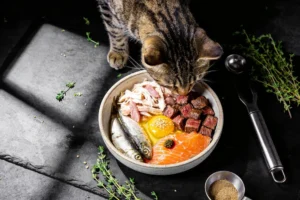
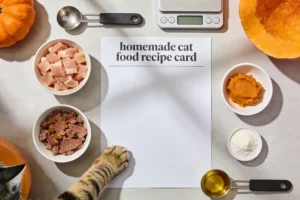
Thinking about homemade or raw? Not saying never—but IMO, it’s risky for beginners. If you want to go that route, work with a vet or board-certified nutritionist to avoid nutrient gaps and foodborne illness.
Your kitten’s gut is not a fearless warrior.
Hydration Hacks
- Use a pet water fountain if your kitten likes moving water.
- Add a splash of warm water to wet food for extra fluids.
- Offer multiple small water bowls in different rooms.
Red Flags and When to Call the Vet
Kittens can crash fast. If anything feels off, don’t wait. Contact your vet ASAP if you notice:
- Refusing to eat for 12 hours (or any skipped feeds in kittens under 8 weeks).
- Vomiting more than once, or diarrhea lasting over 24 hours.
- Lethargy, wobbliness, pale gums, or bloated, painful belly.
- Sudden weight loss or failure to gain weight weekly.
Weigh Weekly
Weigh your kitten on a digital kitchen scale in a bowl or carrier. Healthy kittens gain roughly 90–120 grams per week in the early months. If growth stalls, adjust food and check in with your vet.
Feeding for Good Behavior (Yes, This Helps)
Food isn’t just fuel—it’s training power.
Use meals to shape habits.
- Scheduled meals help toilet timing and reduce 4 a.m. chaos.
- Scatter feeding or puzzle toys build confidence and reduce boredom.
- Tiny training treats reinforce name recognition, coming when called, and gentle handling.
You want a cat who doesn’t scream at the fridge? Reward calm behavior, not meowing theatrics. It’s a long game, but it works.
FAQ
Can I switch brands suddenly if my kitten won’t eat?
You can, but transition over 5–7 days if possible to avoid tummy drama.
Mix a little of the new food into the old, increase gradually, and watch litter box results. If your kitten flat-out refuses, try warming the food or adding a spoon of KMR for smell.
Is goat’s milk okay?
Not as a main food. Some kittens tolerate lactose better with goat’s milk, but it still lacks essential nutrients.
Use kitten milk replacer only for bottle babies. A tiny splash of goat’s milk as a topper won’t kill the vibe, but it’s not a balanced meal.
What if my kitten eats too fast and vomits?
Try smaller, more frequent meals, use a slow-feed plate, or spread food thinly on a large dish. Check that you’re not overfeeding.
If vomiting persists, call your vet to rule out parasites or GI issues.
Do I need grain-free food?
Nope. Most kittens do perfectly fine with grains. Grain-free isn’t automatically better and sometimes causes other issues.
Focus on high-quality protein and balanced nutrition instead of marketing buzzwords.
When can I switch to adult food?
Most kittens switch around 12 months. Large breeds (like Maine Coons) may stay on kitten food until 15–18 months. Transition slowly and monitor weight and activity.
Can I leave dry food out all day?
You can, but many kittens overeat.
If you free-feed, measure the daily portion and use puzzle feeders. Personally, I prefer scheduled meals—better for training and digestion.
Conclusion
Feeding a kitten doesn’t need to feel like a science experiment. Choose a solid kitten food, feed small frequent meals, and keep wet food in the mix.
Watch weight, keep water handy, and call your vet when something feels off. Do that, and you’ll raise a healthy, happy cat who thinks you’re the absolute best—because, food.