
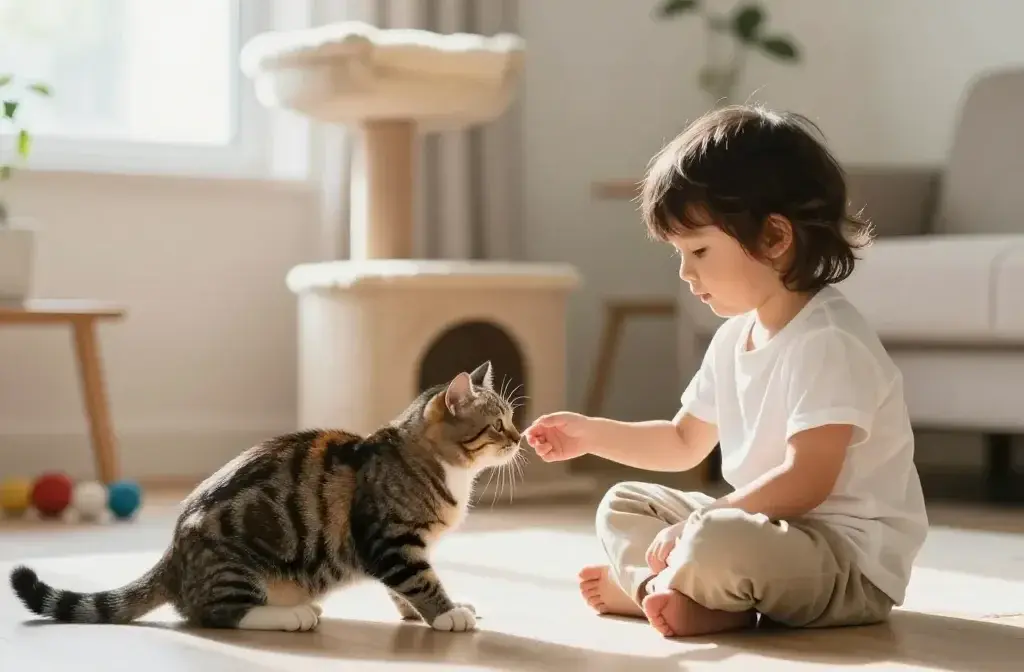
You want your kid and your cat to be besties, not frenemies. Good call. When small humans and tiny tigers click, the whole house relaxes. The trick? You teach respect, set clear boundaries, and read the cat’s signals before the cat sends a… louder message. Let’s build a safe, loving relationship that actually lasts.
Start With the Basics: Safety First, Always
Kids mean well. Cats prefer to avoid chaos. You’ll keep both happy if you set a few non-negotiables from day one.
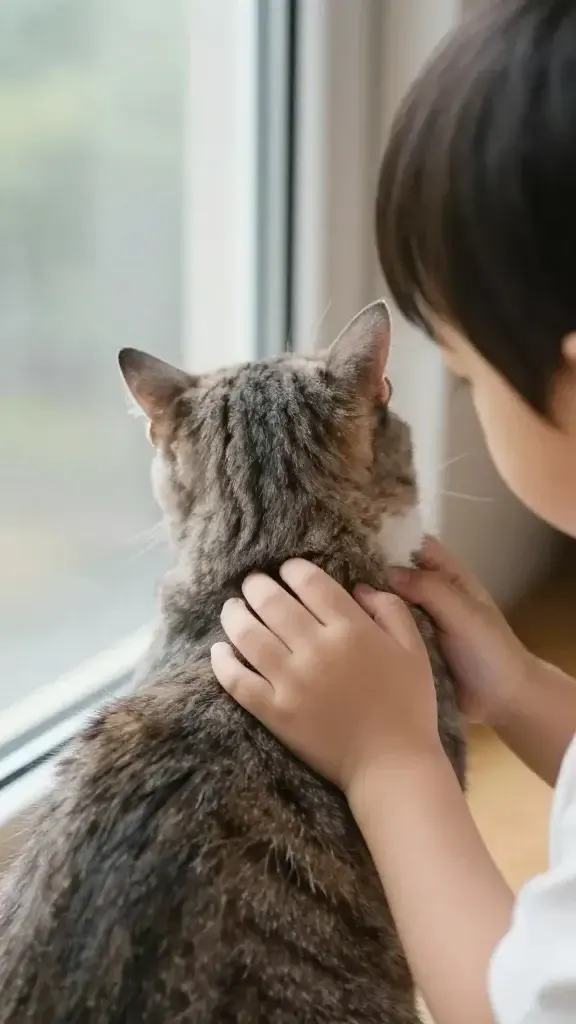
- Hands off the face, tail, and belly. Cats guard those zones like a VIP section. Pet the shoulders and back instead.
- Let the cat choose contact. Invite, don’t grab. If the cat walks away, that’s a “nope.” Respect it.
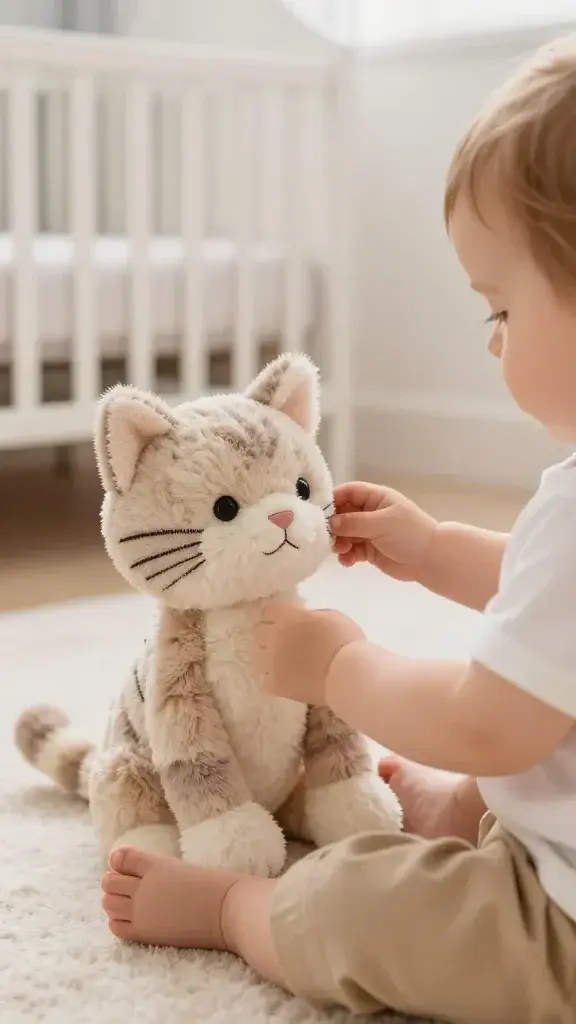
- Teach gentle touches. Show your child how to use one or two soft fingers. Demonstrate slow strokes and let them practice on a stuffed toy first.
- Never interrupt a sleeping or eating cat. We all get cranky when hangry or mid-nap. Cats? Even more.
Kid-Friendly Rules to Repeat (Forever)
- “We pet with gentle hands.”
- “We wait for the cat to come to us.”
- “We don’t chase.”
- “We stop when the cat leaves.”
Create Safe Zones for Everyone
Your cat needs an escape route. Your child needs clear boundaries. Set those up and you’ll avoid 90% of drama.
- Cat-only spaces: High perches, shelves, or a room with a baby gate. Add a comfy bed and water.
- Kid-free zones: Litter box and feeding area, always. No exceptions, no tiny “helpers.”
- Calm hangouts: A quiet corner with a hiding box or covered bed helps the cat decompress.
Label and Explain
Make signs with your child: “Cat Cafe” for the feeding area, “Quiet Zone” for the nap spot. It feels fun, and it sets rules without nagging you 400 times a day.
The First Meet: Slow Is Fast
You want a friendship, not a viral video. Take it step-by-step and you’ll avoid claws and tears.
- Start with scent. Swap blankets or let the child place a treat nearby and walk away. Let curiosity build.
- Invite, don’t insist. Sit on the floor with treats on the ground. If the cat approaches, great. If not, try again later.
- Use a toy as a bridge. A wand toy puts space between hands and claws. Win-win.
- Keep it short. End on a positive note. Two minutes of calm beats ten minutes of chaos.
Green Light vs. Red Light Signals
- Green light: Slow blinking, relaxed whiskers, tail upright with a curve, leaning into pets.
- Red light: Ears back, tail flicking, skin rippling, dilated pupils, low growl. That’s your cue to stop and give space.
Make Your Kid the Cat’s Favorite Human
Want your cat to associate your child with good things? Pair the kid with all the fun stuff. Classic conditioning for the win.
- Snack time sidekick: Your child can place a treat on the floor and sit back. No reaching. Just chill nearby.
- Toy master: Let your child handle the wand toy (with your guidance). Move it like prey: small twitches, pauses, darting away.
- Reading buddy: Have your child read aloud near the cat. Soft voice, no touching. Cats love a calm narrator, FYI.
- Water refiller or bed fluffer: Small, safe “care” tasks build pride and trust.
Positive Reinforcement for Both
– When your child does it right, praise them specifically: “I love how you waited for Whiskers to come to you.”
– When the cat approaches calmly, drop a treat or toss a kibble. The universe should rain snacks for brave choices.
Petting, Holding, and Play: The Right Way
Cats differ wildly. Some become puddles of purr; others tolerate two strokes and dip. Teach your child to match the vibe.
- Petting: Start with two gentle strokes on the back, then pause. If the cat nudges in, continue. If not, stop. Easy.
- Holding: Many cats dislike being held. If yours tolerates it, support the chest and hindquarters. Keep it brief. If the cat squirms, release immediately. No “just one more hug.”
- Play: Use distance toys—feather wands, strings (supervised only), rolling balls. Avoid hands-as-toys. You don’t want your child’s fingers to become chew sticks.
Bite and Scratch Prevention 101
- End play before frustration. Stop while the cat still looks happy, not overstimulated.
- Teach the “freeze.” If claws catch skin, your child freezes. No yanking. You gently disengage and redirect to a toy.
- Clip nails regularly. Shorter nails mean fewer accidental scratches. IMO, this saves a lot of drama.
Routine = Trust (and Fewer Meltdowns)
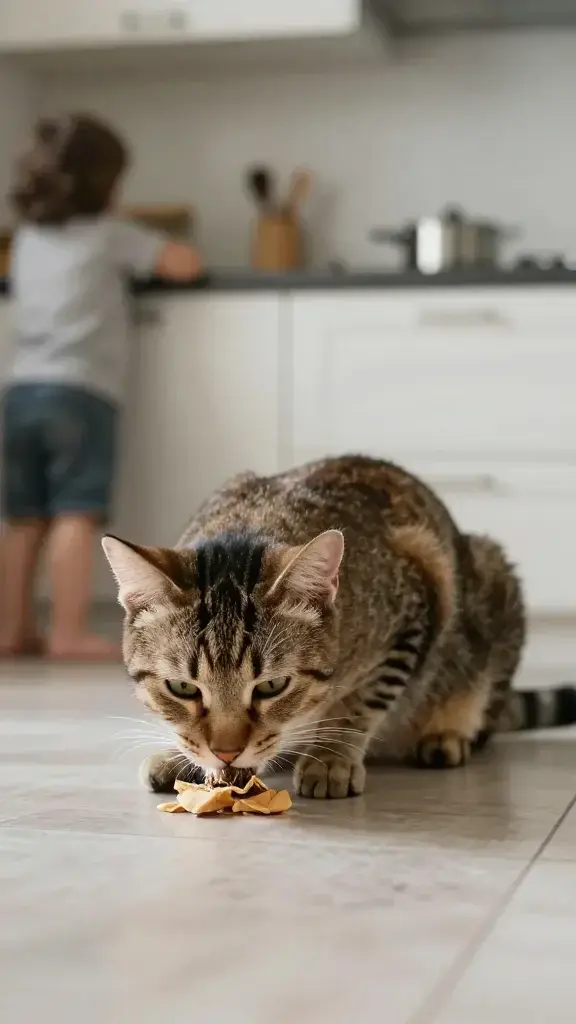
Cats love predictability. Kids do too, even when they swear they don’t.
- Anchor points: Morning greetings, evening playtime, and a short bedtime check-in make the relationship feel stable.
- Feeding rhythm: If your child helps prep meals, do it at the same times daily. Cats run on tiny wristwatches.
- Quiet hours: Establish a daily quiet window for the cat. No interruptions. Respect pays off.
When Setbacks Happen
Someone gets scratched, someone cries, the cat hides under the bed. It happens. Keep it low-key. Comfort your child, give the cat space, and later try a short, positive interaction like a treat toss. No punishment—cats don’t “learn” from scolding, they just learn you’re scary.
Special Considerations: Toddlers, Neurodivergent Kids, and Shy Cats
Different kids and cats need different strategies. One size fits nobody.
- Toddlers: Always supervise. Use barrier play (wand toys through a baby gate). Teach “one finger touch, then wave bye-bye.”
- Neurodivergent kids: Visual schedules and social stories help. Clear rules with pictures (“Pet here,” “Stop sign when tail swishes”). Predictability soothes everyone.
- Shy or fearful cats: Start with parallel time—sit near, read or draw, toss treats without eye contact. Slow blinking helps, FYI.
FAQ
How do I know my cat actually likes my child?
Look for voluntary approach. If your cat walks over, rubs against your child, slow blinks, or sits nearby by choice, that’s affection. Bonus signs include gentle head butts and relaxed grooming in the child’s presence. If the cat leaves but returns later, you’re winning.
What if my child accidentally hurts the cat?
Stay calm. Check the cat quietly; give space if needed. Then coach your child: explain what went wrong and practice the correct touch with a toy or pillow. Follow up with a short, positive interaction (treat toss, calm play) later. No forced apologies to the cat—consent matters.
Is it okay for my kid to feed the cat?
Yes, with structure. Your child can place the bowl down and step back. Keep fingers away from the food while the cat eats. Feeding builds trust, but protect those mealtime boundaries so nobody guards the bowl like a dragon.
My cat swats when petted. What now?
Shorten sessions. Try two strokes, pause, watch for signals. Stick to safe zones (cheeks, shoulders) and avoid the back half if that triggers irritation. Also, add more structured play to burn energy, and check for pain issues if the reaction feels new or intense—vet visit time, IMO.
Should we get a second cat to help?
Only if you want another cat for you, not as a “fix.” A second cat might add stress, especially for a shy resident. If you do it, plan a slow intro with scent swapping and room rotations. But for kid-cat bonding, training and routine beat new roommates.
Do certain breeds do better with kids?
Temperament matters more than breed. Many mixed-breed cats rock with kids. Look for confident, curious, people-oriented personalities. If adopting, ask shelters about cats who enjoy handling and play. Meet-and-greets tell you more than labels ever will.
Conclusion
You’ll build a safe, loving kid-cat relationship with three pillars: respect, routine, and positive experiences. Go slow, celebrate tiny wins, and keep sessions short and sweet. Before long, your child becomes the treat wizard, the playtime hero, and the trusted nap-adjacent companion. That’s the kind of friendship that lasts—no claws required.