

Your cat trusts exactly three things: the sunniest spot on the floor, the sound of the treat bag, and you. Handing them off to a stranger? That’s a potential feline betrayal. The good news: you can find a sitter your shy cat will actually tolerate—and maybe even like. Let’s walk through it without the stress spiral.
Know Thy Cat: What “Shy” Actually Means
Shy doesn’t equal “broken.” It usually means your cat needs predictability, quiet, and a slow approach. If your cat hides during loud noises or bolts when someone stands too fast, you’ve got a classic “I need time” kitty.
Write down your cat’s specifics:
- Hiding spots and safe zones (under the bed? inside the closet?)
- Triggers (doorbells, vacuum, tall people in hats)
- Comfort tools (favorite wand toy, brushing, warm spots)
- Food rituals (timing, location, bowl type—yes, that can matter)
This becomes your sitter brief. The right person will want this info immediately. The wrong person says, “Cats are easy.” Red flag.
Where to Look: People Who “Get” Cats

You have options, but not all sitters speak Cat.
- Ask your vet or local shelter. Staff often know sitters who handle shy or special-needs cats.
- Check reputable platforms. Look for sitters with verified reviews specifically mentioning shy, senior, or anxious cats.
- Tap your network. The quiet friend who likes plants and audiobooks? That’s a vibe shy cats love.
What good profiles look like
You want sitters who:
- Mention slow introductions and consent-based handling
- Share experience with hiding cats and medication (if relevant)
- Have reviews that call out patience, consistency, and reliability
- Offer a meet-and-greet and daily updates without being asked
Interview Like a Pro (But Nicely)
Yes, it’s an interview. It just involves more cat hair.
Ask these questions:
- “How do you approach a shy or hiding cat?” (You want: sit quietly, ignore at first, let the cat initiate.)
- “What’s your plan if my cat won’t eat while I’m gone?”
- “How do you give updates?” (Photos + quick notes = perfect.)
- “How long do you stay per visit?” (Shy cats often need longer than a 10-minute dump-and-dash.)
- “Can you do a trial visit?”
Green flags vs. red flags
- Green flags: They ask detailed questions about routines, they respect boundaries, they have backup plans.
- Red flags: “I’ll just pick them up.” “All cats love me!” “I can pop in for five minutes.”
The Meet-and-Greet: Set It Up for Success
You don’t need instant cuddles. You need calm curiosity—and zero pressure.
Do this before the sitter arrives:
- Set out treats, a favorite toy, and a brush.
- Close doors to rooms you don’t want turned into “new hideouts.”
- Prep a cat dossier with feeding, litter, meds, and emergency contacts.
During the visit:
- Have the sitter ignore the cat at first. Let your cat clock them from a distance.
- Ask the sitter to sit on the floor, speak softly, and offer a treat from afar.
- Watch your cat’s body language. Tail tucked and pupils huge? Too much too fast. Slow blinks? We’re winning.
Run a micro-trial
Book a short paid visit while you’re home or nearby. The sitter should:
- Follow the routine without constant prompting
- Find the cat in their usual spots without chasing
- Send a clear check-in with one photo and one useful detail
If your cat won’t emerge, that’s okay. We only need “not terrified” for round one.
Build a Ritual Your Cat Can Predict
Shy cats love patterns. Sitters who establish predictable beats feel safe.
Give the sitter a step-by-step:
- Enter quietly, announce yourself (“Hi, Mango, it’s snack o’clock!”).
- Place food in the same spot every time.
- Do a “scent hello” with a soft toy or a sock you’ve worn.
- Read or work quietly for a few minutes—no staring contests.
- Offer one play attempt; if no interest, try a gentle brush or just hang out.
- End with cleanup, water refresh, and treat drop-off in the known spot.
Pro tip: the “scent bridge”
Swap scents a few days before you leave. Have the sitter bring a clean cloth from their home; rub it on your cat’s favorite blanket. Then send a cloth with your cat’s scent back to the sitter. It’s a low-key introduction. Weird? Yes. Effective? Also yes.
Make Hiding Safe, Not Mandatory
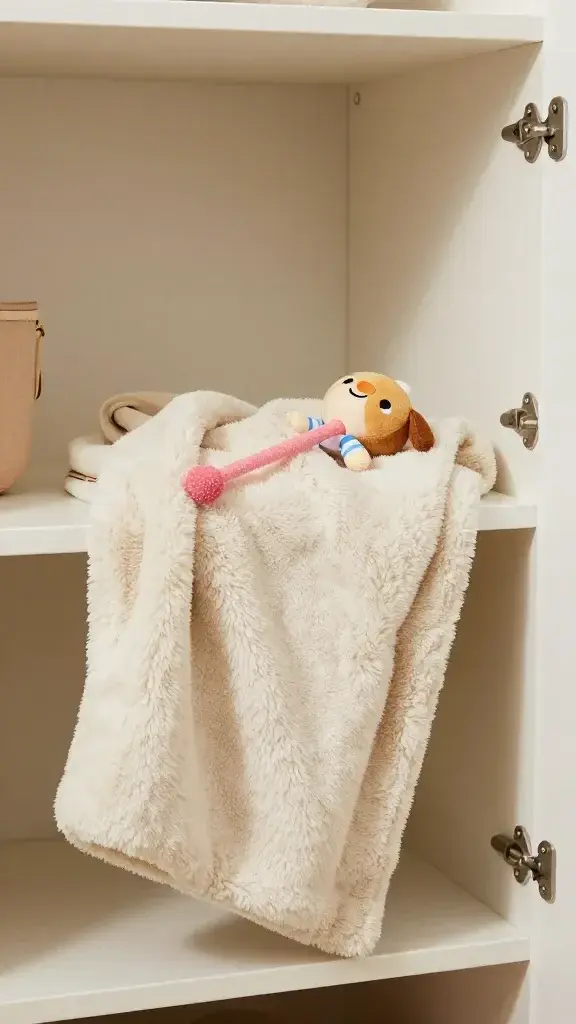
Your cat needs places to vanish. That’s fine. We make it smart.
Set up:
- A primary hideaway with a view (covered bed or a carrier with a blanket).
- A secondary “retreat” in a different room.
- Litter boxes in predictable, low-traffic spots (no laundry room ambushes).
Coach your sitter to:
- Check your cat visually at least once per visit—no grabbing, no dragging.
- Use food trails to encourage gentle movement if needed.
- Never block exits or reach under furniture. Patience wins; force backfires.
Feeding hacks for nervous eaters
- Warm wet food for 5–10 seconds to boost scent.
- Use shallow, whisker-friendly bowls.
- Sprinkle a “food topper” your cat loves—freeze-dried chicken works wonders.
Prep Like a Control Freak (Because It Helps)
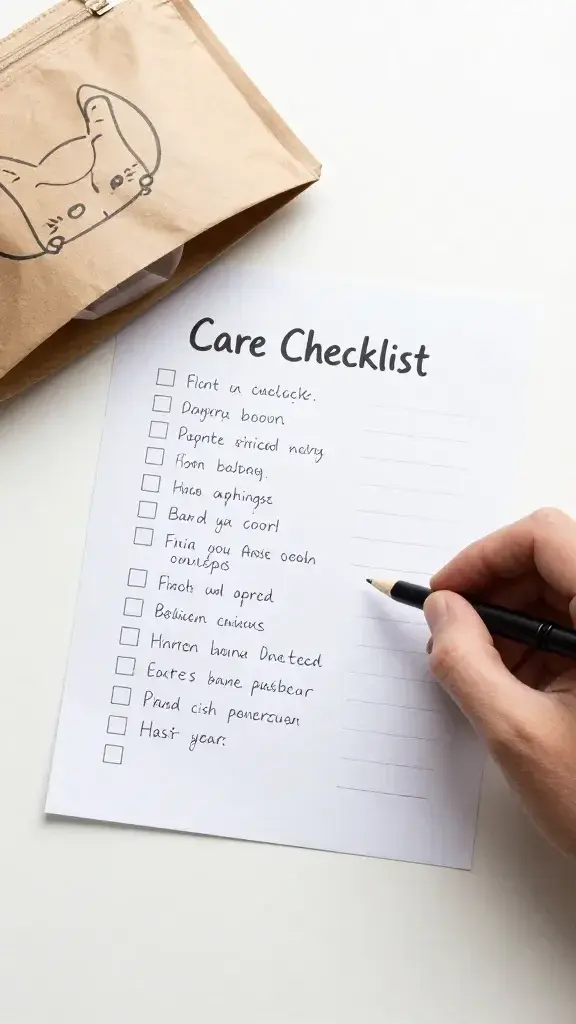
I love a good checklist. Your sitter will too. FYI, clarity reduces mistakes and anxiety—for both humans and cats.
What to leave out:
- Daily checklist with time windows (not exact minutes; we’re not NASA).
- Food, meds, syringes/spoons measured and labeled.
- Emergency contacts: your vet, a nearby friend with a spare key, and your number.
- Behavior notes: “If she tail-thumps, stop the brushing.”
- House rules: doors that must stay shut, alarm steps, thermostat limits.
Communication plan:
- One photo per visit (even if it’s just ear tips peeking from under the bed).
- Short update: appetite, litter, mood, play/interaction attempts.
- Escalation rules: when to call vs. when a text works.
IMO, reliability beats charisma. Choose the sitter who documents well and follows directions.
Red Flags You Shouldn’t Ignore
If you see these, swipe left immediately:
- They dismiss your instructions or laugh off your cat’s anxiety.
- They push for forced handling or “exposure therapy.”
- They won’t provide references or a basic contract.
- They try to shorten visits “since your cat hides anyway.”
FAQs
How long should each visit last for a shy cat?
Aim for 30–45 minutes. Your cat needs time to decide the sitter isn’t a threat. Short, rushed visits don’t build trust, and shy cats often won’t eat or use the box until the human settles.
Is daily boarding better than in-home visits?
For shy cats, in-home care wins almost every time. New spaces crank anxiety up to 11. Keep your cat in their territory, and bring the calm human to them.
What if my cat never comes out for the sitter?
That’s okay as long as eating, litter, and hydration look normal. The sitter should log sightings, note food intake, and monitor behavior. If your cat stops eating for 24 hours or shows distress (hiding plus no litter use), escalate to the vet.
How many meet-and-greets do we need?
Usually one, plus a paid trial visit. Super-shy cats may benefit from two short trials. Think reps, not marathons—repeat the routine so the sitter smells and sounds familiar.
Should the sitter try to play with a shy cat?
Offer once with a known favorite, then chill. Wand toys from a distance work best. If your cat gives you the “nope” eyes, back off and shift to quiet companionship.
How do I know the sitter actually showed up?
Ask for timestamped photos, a quick checklist, and a unique check-in detail each time (e.g., “two poops, one pee, ate 70% of dinner”). Some platforms include GPS check-ins, which can help too.
Conclusion
You don’t need a cat whisperer. You need a patient human with a plan, a calm presence, and a healthy respect for boundaries. Build predictability, over-communicate, and run a small trial. Do that, and your shy cat might not just tolerate the sitter—they might actually trust them. And yes, that totally counts as a win.