
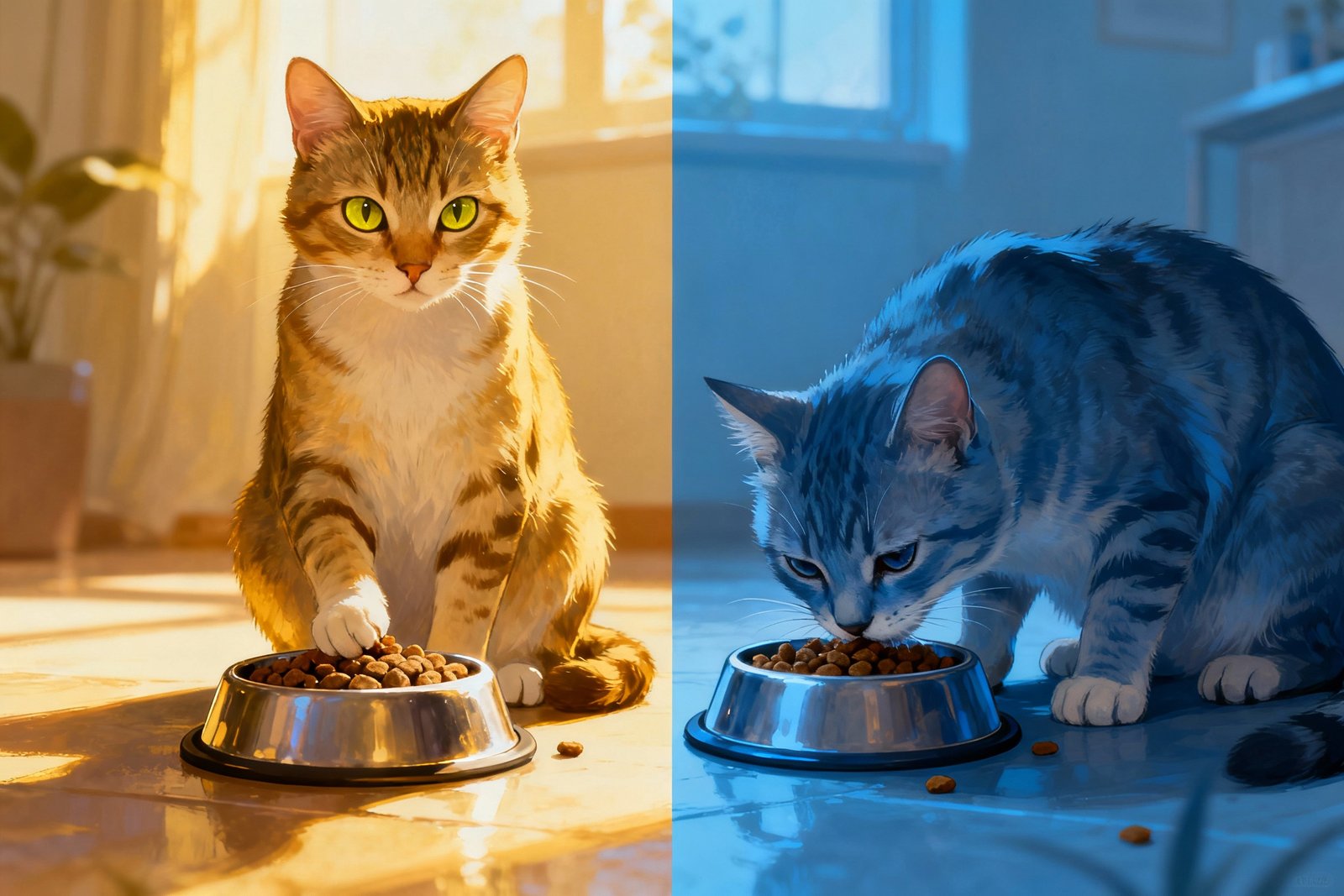
Your cat can’t text “brb vet,” but they absolutely drop hints when something’s off. The tricky part? Cats hide pain like tiny furry ninjas.
You don’t need to panic at every sneeze, but you also don’t want to miss the red flags. Let’s walk through how to tell if your cat needs a vet visit—stat, soon, or “eh, keep an eye on it.”
First, Know Your Cat’s Normal

Your baseline is everything. Does your cat zoom at 10 p.m., chirp at birds, and nap in a sunspot for six hours?
Perfect. You’ll spot changes faster when you know their usual habits. Track the basics:
- Appetite and water intake
- Litter box activity (frequency, urine clumps, stool consistency)
- Energy level and grooming
- Breathing rate when resting (normal: about 20–30 breaths per minute)
You don’t need a spreadsheet (unless that’s your kink). Just mental notes help.
FYI, sudden changes matter more than slow shifts.
Red Flags That Need a Vet ASAP
These aren’t “wait and see.” These are “call your vet now” or go to an emergency clinic.
- Straining to pee or no urine (especially male cats): This can be a blockage. It’s life-threatening.
- Open-mouth breathing, blue/gray gums, or fast breathing at rest (over 40 breaths/minute): Respiratory emergency.
- Persistent vomiting (more than 2–3 times in a day) or vomiting with lethargy, blood, or projectile action.
- Collapse, severe weakness, or inability to stand.
- Trauma (falls, car incidents, dog fight), even if they look “fine.” Cats hide internal injuries like pros.
- Seizures or severe disorientation.
- Bleeding that won’t stop, deep wounds, or punctures.
- Swollen, painful abdomen or sudden extreme pain.
Yes, it’s a lot. But you’ll sleep better knowing when “now” means now.

Stuff That Usually Needs a Vet Soon (Within 24–72 Hours)
Not an emergency, but don’t ignore these either.
Book an appointment and monitor closely.
- Not eating for 24 hours (or 12 hours in kittens): Cats can develop liver issues fast when they stop eating.
- Litter box changes: More frequent trips, squatting without much result, blood-tinged urine, or accidents outside the box.
- Diarrhea that lasts more than a day, or any diarrhea with blood or black/tarry stool.
- Coughing, frequent sneezing fits, or nasal discharge that turns yellow/green.
- Eye issues: Squinting, redness, cloudiness, or gunk. Eyes go downhill fast.
- New lump, limp, or obvious pain when touched.
- Weight loss over weeks, increased thirst, or peeing more than usual.
What About Hairballs?
Hairball hacks don’t count as vomiting… until they happen often. If your cat hacks weekly or more, gets lethargic after, or vomits food—not just fur—talk to your vet.
When You Can Probably Watch and Wait
Some things can chill for a day while you play detective.
- One-off vomit with normal behavior after.
- Mild sneeze here and there with clear eyes and no feverish vibes.
- Small appetite dip for a meal (maybe they’re being sassy about the new kibble).
- Minor limp that improves over 24 hours and doesn’t involve open wounds.
If symptoms return, get worse, or your gut screams “something’s wrong,” trust it.
IMO, your gut is right more often than not.

Behavior Clues You Shouldn’t Ignore
Cats don’t write Yelp reviews about their pain. They act weird instead.
- Hiding more than usual or avoiding favorite spots.
- Overgrooming one area (skin pain, allergies, anxiety).
- Growling or hissing when touched, especially at the back, belly, or mouth.
- Changes in vocalization: suddenly chatty or suddenly silent.
- Scratching ears, head shaking, or smelly ears (hi, yeast or mites).
Senior Cat Watchouts
Older cats play by different rules. Get curious if you notice:
- Jumping less or missing jumps
- Rug-like mats even with grooming
- Night yowling, confusion, or new “accidents”
- Becoming clingy or, conversely, extra cranky
These can point to arthritis, dental disease, thyroid issues, kidney disease, or cognitive changes.
Not the vibe—get a checkup.
How to Check Your Cat at Home Without Getting Clawed

You don’t need a medical degree. You just need calm hands and maybe a treat bribe.
- Gums: Lift the lip. Healthy gums look pink and moist.Pale, blue, or bright red gums = call the vet.
- Hydration: Gently lift the skin over the shoulders. It should snap back fast. If it tents, dehydration might be a thing.
- Breathing: Count breaths for 30 seconds while they sleep.Multiply by two. Over 40 at rest? Call the vet.
- Temperature (if your cat tolerates it): Normal is ~100–102.5°F (37.8–39.2°C).Over 103.5 or under 99? Vet time.
- Teeth: Bad breath, drooling, pawing at the mouth, or dropping kibble = dental pain.
Pro tip: Do a quick weekly head-to-tail check. It takes two minutes and saves you drama later.
Common Scenarios and What to Do
Because real life isn’t a flowchart, but this is close.
“My cat isn’t eating today.”
Try smelly food (tuna, warmed wet food).
Check for mouth pain. If no food for 24 hours—or faster if your cat is overweight or a kitten—call your vet. Cats can develop hepatic lipidosis, and it’s no joke.
“There’s blood in the litter box.”
Bright red blood with straining usually means inflammation or a urinary issue.
Male cats need same-day care if they strain without peeing. Bring a photo of the litter box for your vet (yes, really).
“My cat vomited twice.”
Offer water, withhold food for 6 hours, then give small, bland meals (a teaspoon of wet food). If vomiting continues, if you see blood, or if your cat acts lethargic, get seen.
“Sneezing with goopy eyes.”
Likely an upper respiratory infection.
If your cat acts bright and eats, you can wait 24–48 hours. Thick discharge, not eating, or eye pain? Schedule a visit.
“Sudden limping.”
Confine to a small room, no jumping.
If it improves within a day, great. If not—or if there’s swelling, heat, or obvious pain—book the vet.
What To Bring and Ask at the Vet
Make the visit count. Your vet will love you for this.
- Timeline of symptoms (when it started, what changed).
- Videos/photos of breathing, gait, litter box, or behavior.
- List of foods, meds, treats, and supplements.
- Recent changes: new plants, cleaning products, stressors, or pets.
- Questions: What are the likely causes?What tests matter most? What are the red flags at home?
IMO, good info equals faster answers and fewer “let’s just wait” vibes.
Prevention: Future You Will Thank You
Yes, vet bills hurt. But prevention costs less than emergencies.
- Annual checkups (every 6 months for seniors).
- Vaccines and parasite prevention, tailored to your cat’s lifestyle.
- Dental care: brush if you can, dental diets/treats if you can’t.
- Weight management: Measure food; don’t let the eyes fool you.
- Stress reduction: Vertical spaces, hiding spots, play sessions, predictable routines.
- Pet insurance or an emergency fund for those “why now?” moments.
FAQs
How long can I wait if my cat isn’t eating?
Not long.
If your cat refuses food for 24 hours, call your vet. Kittens and overweight cats need attention even sooner. Prolonged fasting can lead to fatty liver disease, which spirals quickly.
What if my cat vomits clear foam?
Clear foam usually means an empty-stomach puke or mild gastritis.
Offer small meals and monitor. If it happens repeatedly, if there’s bile or blood, or if your cat seems off, book a visit.
Do cats fake limps for attention?
Nope. Cats don’t fake pain.
If you see limping, something hurts—soft tissue strain, arthritis, paw injury, or worse. If it doesn’t improve within 24 hours, get it checked.
When is a sneeze just a sneeze?
An occasional sneeze is fine, especially after dust or perfume. Sneezing with thick discharge, lethargy, eye swelling, or appetite loss points to infection or allergies—call your vet.
Can stress make my cat sick?
Absolutely.
Stress can trigger bladder inflammation (hello, FLUTD), GI upset, and behavior changes. Enrichment, routine, and safe spaces help. If stress signs persist, your vet can suggest meds or supplements.
Should I give human meds to my cat?
Hard no.
Many human meds are toxic to cats (acetaminophen, ibuprofen, decongestants). Always call your vet before giving anything—even “natural” stuff.
Conclusion
You don’t need to diagnose your cat. You just need to spot the patterns: sudden changes, sustained symptoms, and big red flags.
When in doubt, call your vet and describe what you’re seeing. You know your cat best, and your hunch usually beats Google at 2 a.m. FYI, a quick call now beats a full-blown emergency later.