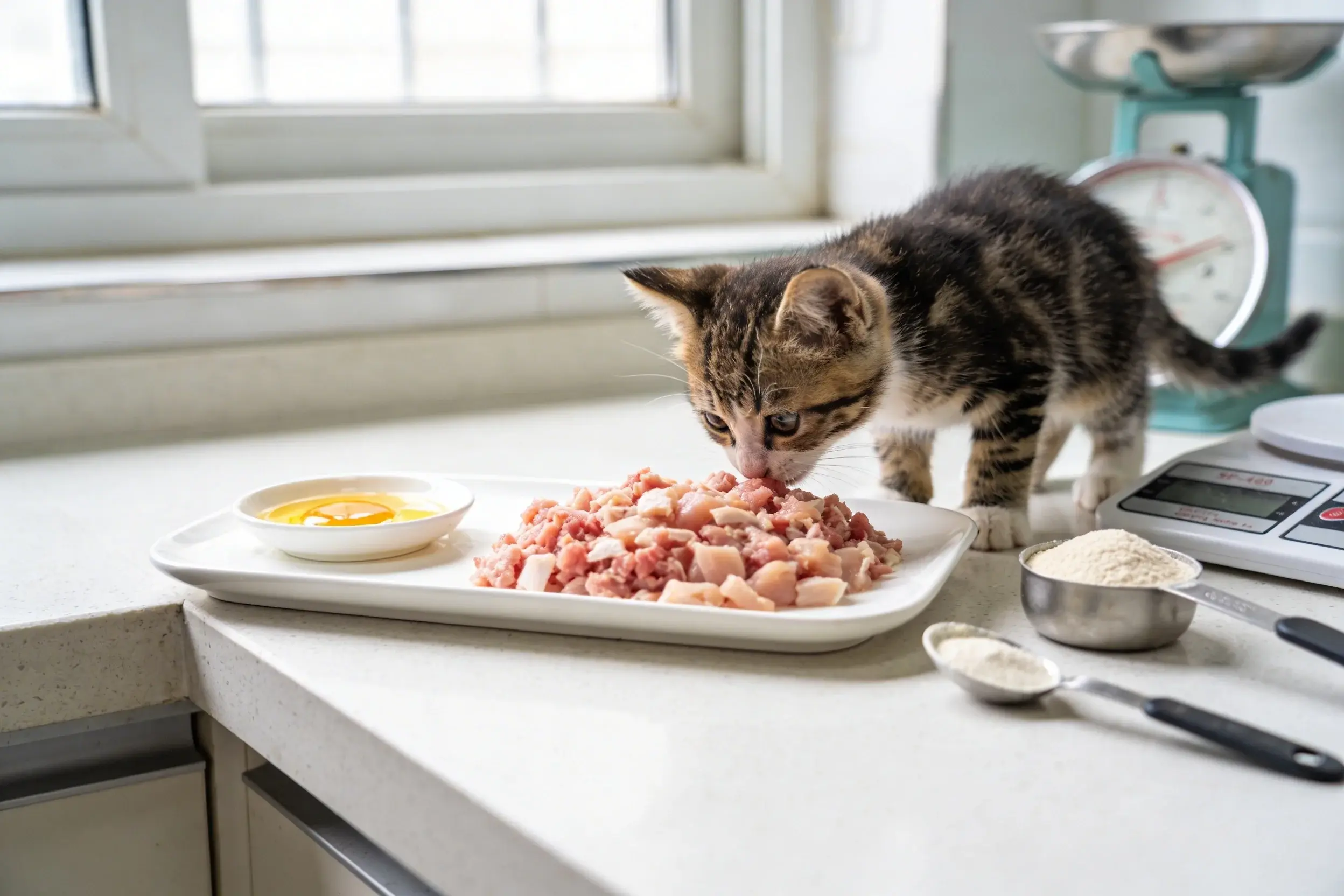
Kittens don’t come with an instruction manual, but their stomachs kind of do. They need fuel to grow fast, stay sharp, and bounce off your furniture at 3 a.m. If you’re flirting with the idea of homemade food, you can absolutely do it—safely and smartly. Let’s skip the fluff and get into what your tiny gremlin actually needs on the menu.
Why Homemade for Kittens Is Tricky (But Doable)
Kittens grow like weeds and burn through calories. They need very specific nutrients—more than adult cats. Miss a critical one, and you risk long-term health issues.
The good news? You can make balanced kitten food at home if you follow proven guidelines. Balance beats novelty every time. Save the funky recipes for your own dinner.
The Non-Negotiables: What Kittens Must Get Daily
Your kitten isn’t a small dog. Different species, different rules. Here’s what matters most:
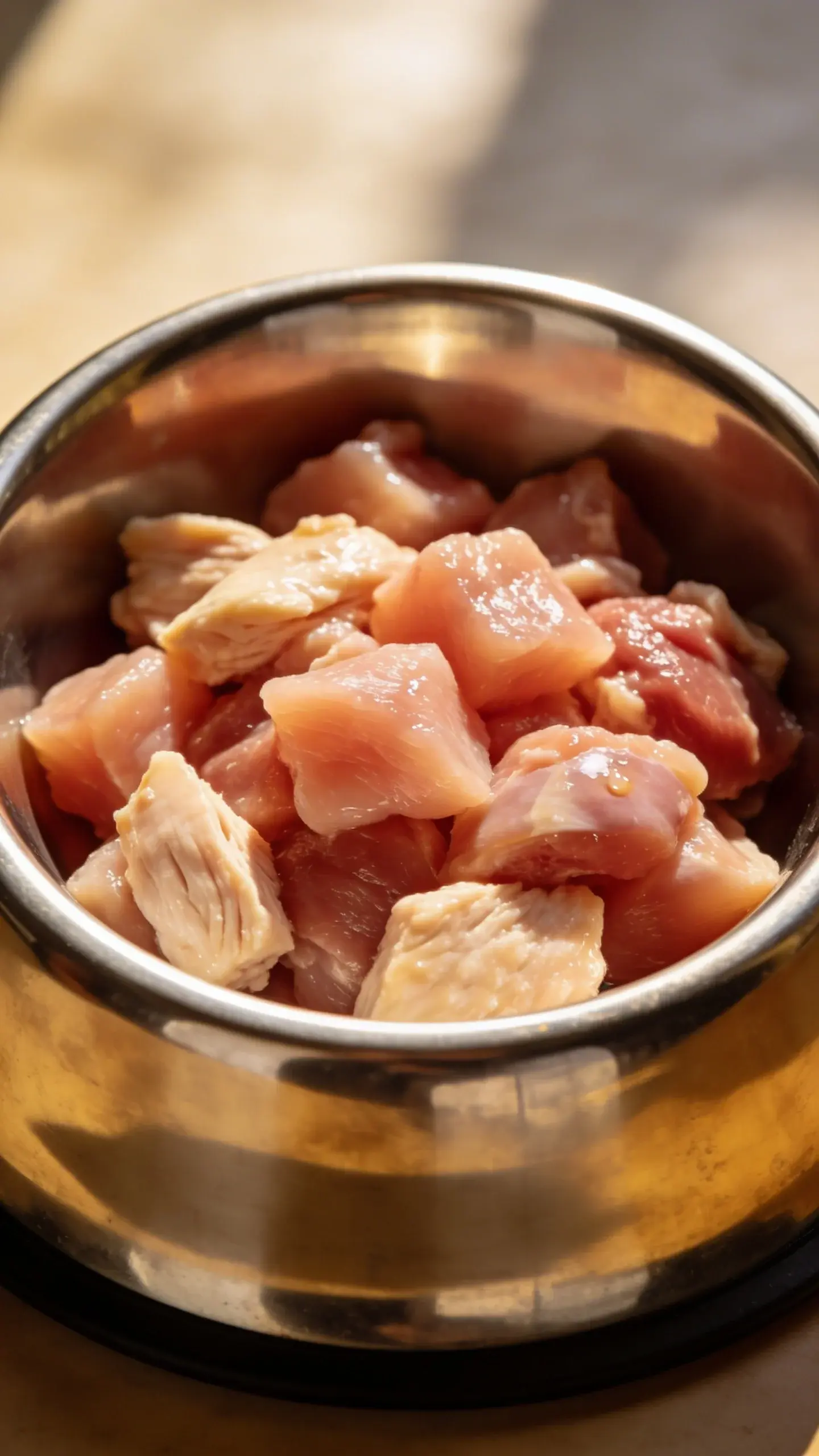
- High-quality animal protein: Chicken, turkey, rabbit, or pork. Aim for 50–60% of the recipe by weight. Kittens crave protein like you crave Wi-Fi.
- Fat (including omega-3s): Animal fat + fish oil for DHA/EPA. Fat powers growth and brain development.
- Calcium and phosphorus in balance: Never skip calcium. Meat alone isn’t enough. If you don’t use bone, you must add a precise calcium source.
- Taurine: Essential amino acid. Cats can’t make enough. Without it, you risk heart and eye problems—hard pass.
- Vitamins and minerals: AAFCO/FEDIAF-compliant kitten supplement blends make this easy. DIY with random pills? Risky.
- Water: Wet food wins. Hydration supports kidneys and digestion.
Quick Targets (Approximate)
- Protein: 35–50% of calories
- Fat: 35–50% of calories
- Carbs: Minimal. Optional for texture only
- Calcium:Phosphorus ratio: Around 1.1–1.3:1
FYI: These are guidelines, not micromanagement instructions. Use a vet-formulated recipe when possible.
Safe Ingredients You Can Use (And What to Skip)
Let’s make the grocery list less stressful.
Kitten-Safe Proteins
- Chicken thigh, turkey thigh, rabbit, lean pork, beef round
- Organ meats (in moderation): chicken liver, beef liver, heart
- Egg yolks (cooked or lightly cooked). Whole eggs if cooked fully
Fats and Add-Ons
- Chicken skin, duck fat (sparingly), salmon oil or fish oil with EPA/DHA
- Pumpkin puree (1–2 tsp per serving) for fiber if needed
- Bone broth (unsalted) for flavor and hydration
Ingredients to Avoid
- Onion, garlic, chives, leeks: Toxic. No “just a little.”
- Raw fish as a staple: Thiaminase risk and parasites. Cook it or use fish oil instead.
- Cooked bones: Splinter hazard. Use ground raw bone or a calcium supplement instead.
- Dairy: Most kittens can’t handle lactose. No cow’s milk.
- Dog supplements or recipes: Not the same species, not the same needs.
Raw vs Cooked: What’s Safer for Kittens?
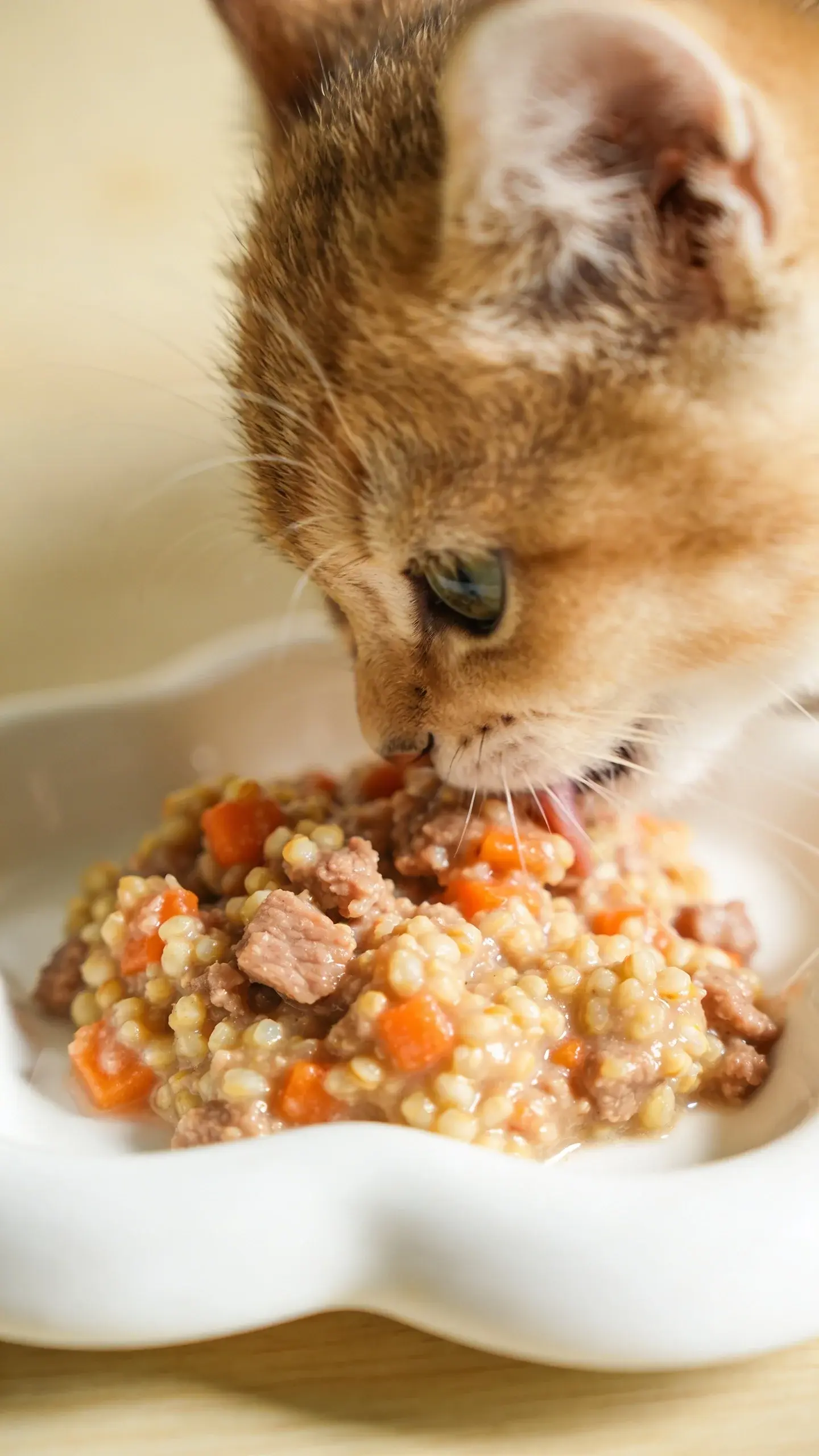
You can feed either, but kittens have weaker immune systems. Food safety matters more than your culinary philosophy.
- Cooked: Generally safer. Lightly cook meats to 165°F for poultry and 145°F for pork/beef. Add supplements after cooling.
- Raw: Possible with strict hygiene and vet-approved recipes. Freeze meats, thaw safely, and source from reputable suppliers.
IMO, if you’re new to this, start with cooked. You’ll sleep better, and so will your floors.
Two Vet-Style Recipe Frameworks (Use With a Proper Supplement)
Note: These are frameworks, not complete formulas. You must add a kitten-appropriate premix that covers taurine, calcium (if you don’t use bone), iodine, vitamin E, B vitamins, etc. Follow the premix dosing instructions exactly.
Cooked Chicken & Liver Mash
- 60% boneless chicken thigh (skin on), gently cooked and chopped
- 10% chicken liver, lightly cooked
- 10% chicken heart (or extra thigh if unavailable)
- 15% water or unsalted bone broth
- 5% pumpkin puree or cooked squash (optional for texture)
- Fish oil per label for kitten dosage
- Kitten premix supplement as directed
Cool to warm, stir in supplements, portion, and refrigerate or freeze.
Turkey & Egg Yolks Pâté
- 70% ground turkey thigh, cooked
- 10% turkey or chicken liver, lightly cooked
- 2 cooked egg yolks per ~2 pounds of food
- Warm water to achieve soft pâté texture
- Fish oil + kitten premix per directions
Blend to a smooth consistency for tiny mouths. Kittens judge texture harder than Gordon Ramsay.
What About Bones?
If you use raw meaty bones and a grinder, you can meet calcium needs that way. If not, use a precise calcium source:
- Calcium carbonate or calcium hydroxyapatite (dose per recipe weight)
- Do not guess. Over- or under-doing calcium during growth causes skeletal issues.
How Much and How Often to Feed
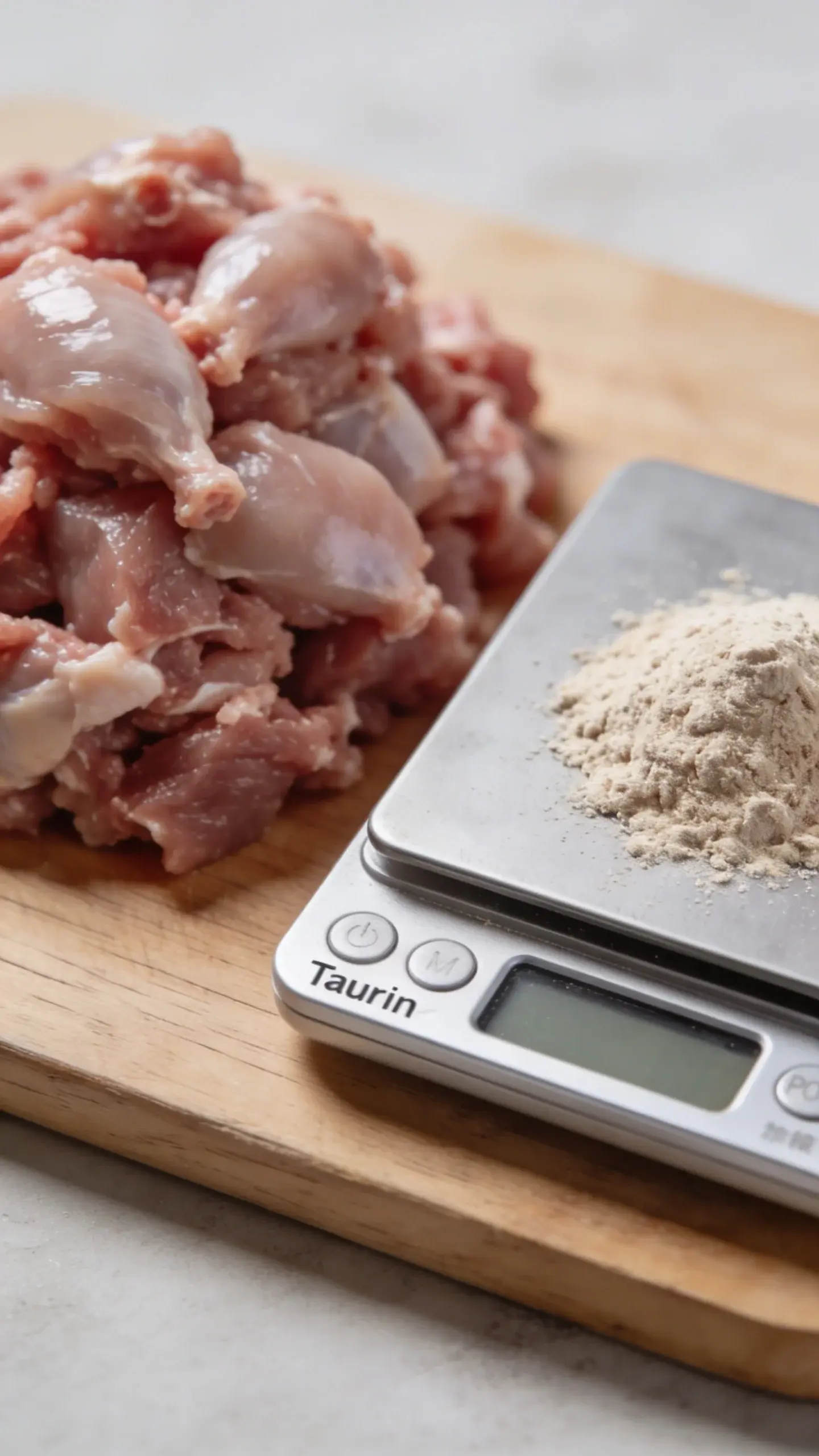
Kittens run on frequent snacks. Plan for small meals throughout the day.
- Under 12 weeks: 4–6 meals/day
- 3–6 months: 3–4 meals/day
- 6–12 months: 2–3 meals/day
Portion by body weight and adjust weekly:
- Start around 8–10% of body weight per day for very young kittens, then taper to 5–7% as growth steadies.
- Watch body condition: visible waist from above, slight tummy tuck from the side, ribs not visible but easy to feel.
FYI: Weigh your kitten weekly. They should gain steadily. Sudden drops = call your vet.
Transitioning Without Tummy Drama
Cats love routine until they don’t. Change food slowly to avoid digestive chaos.
- Days 1–3: 25% new, 75% old
- Days 4–6: 50/50
- Days 7–9: 75% new, 25% old
- Day 10+: 100% new
If stool gets soft, slow down the switch. Add a teaspoon of pumpkin or a kitten-safe probiotic. Don’t power through like a hero.
Signs You’re Nailing It (And Red Flags)
Green lights:
- Steady weight gain and playful energy
- Shiny coat, clear eyes, normal stools
- Good appetite and normal hydration
Red flags:
- Diarrhea or constipation for more than 24–48 hours
- Lethargy, dull coat, crusty eyes, or poor growth
- Odd gait or bone pain (could signal calcium imbalance)
If you see red flags, pause homemade and call your vet. Not a fail—just a pit stop.
Shortcuts That Keep Things Safe
Homemade doesn’t mean “make your life harder than necessary.”
- Use a complete kitten premix designed for homemade diets.
- Batch-cook and freeze in silicone trays for easy portions.
- Rotate proteins every 1–2 weeks for variety without chaos.
- Keep a quality canned kitten food on hand as backup. Life happens.
- Log ingredients and weights so you can repeat wins and fix misses.
FAQ
Can I feed my kitten only meat?
Nope. Plain meat misses calcium, taurine, iodine, and a bunch of vitamins. Meat-only diets cause serious deficiencies. Use bone or a calcium source plus a complete supplement.
Do kittens need carbs?
Not really. Cats don’t require carbs, but a little (like pumpkin or squash) can help texture or digestion. Keep it minimal. Protein and fat should do the heavy lifting.
Is fish good for kittens?
Occasionally, yes. As a primary protein, not ideal. Use fish oil for omega-3s and lean on poultry or other meats for the base. Too much fish can cause thiamine issues and make your cat a tuna addict. Ask me how I know.
Can I make a raw diet at home safely?
You can if you follow strict hygiene and a vet-formulated raw recipe. Freeze meats, thaw in the fridge, sanitize surfaces, and measure supplements precisely. If that sounds exhausting, cooked works great.
How do I know the recipe is balanced?
Use a reputable kitten premix or a recipe from a board-certified veterinary nutritionist. Bonus points if you run it through a calculator that matches AAFCO/FEDIAF kitten targets. Guessing isn’t a strategy—IMO it’s stress in a bowl.
When can I switch to adult food?
Most cats switch around 10–12 months, or when your vet says growth plates have mostly closed. Large breeds may take longer. Transition gradually to avoid digestive drama.
Conclusion
You can absolutely feed homemade kitten food that’s safe, nutritious, and feline-approved. Prioritize animal protein, the right fats, and precise supplementation. Start simple, measure carefully, and watch your kitten’s growth like a proud (slightly sleep-deprived) parent. Do that, and you’ll raise a healthy cat who thinks you’re a five-star chef—because to them, you are.