
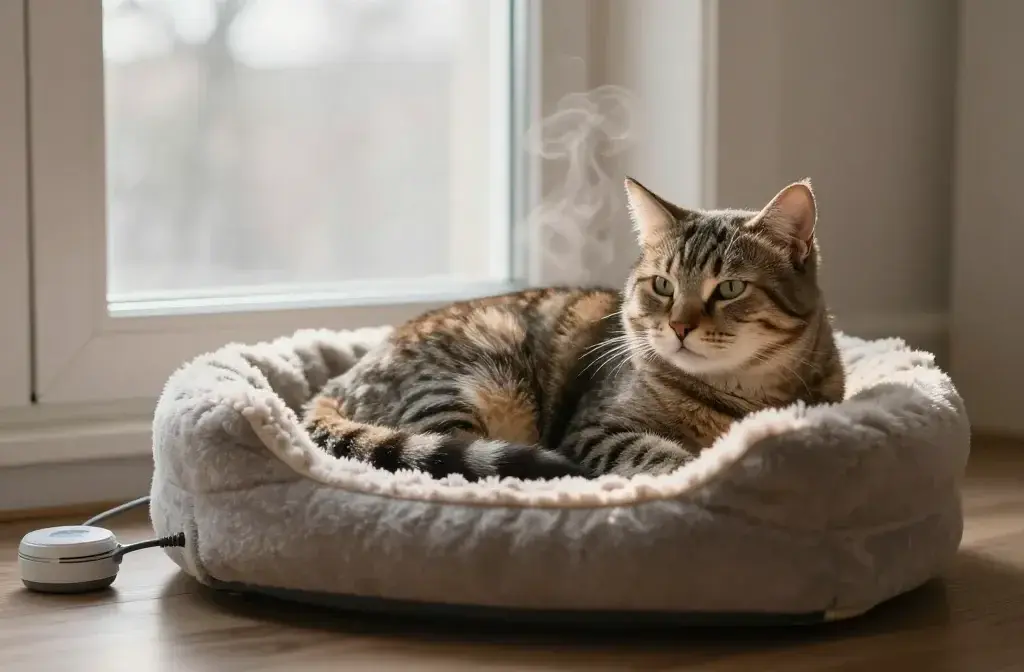
Cats don’t ask for much: a warm spot, a quiet nap, and your lap only when it’s inconvenient. If your older kitty moves a little stiffly or avoids jumping like they used to, heat can make a real difference. Heated cat beds promise relief for achy joints and a cozier snooze. But do they actually help with arthritis and comfort—or are they just bougie blankets with a cord?
Why Heat Helps Sore, Stiff Joints
Warmth isn’t just “nice to have.” It changes how your cat feels and moves.
- Heat relaxes muscles and reduces tension around sore joints, which makes movement less painful.
- Improved blood flow helps bring oxygen and nutrients to tissues, supporting healing and comfort.
- Joint stiffness eases because warmth can make tissues more flexible—especially helpful first thing in the morning or after long naps.
If your cat has arthritis (very common in seniors), consistent gentle warmth can help them get up more easily and settle in more comfortably. FYI: heat won’t cure arthritis, but it can help manage the discomfort day-to-day.
Types of Heated Cat Beds (And Which Ones Make Sense)
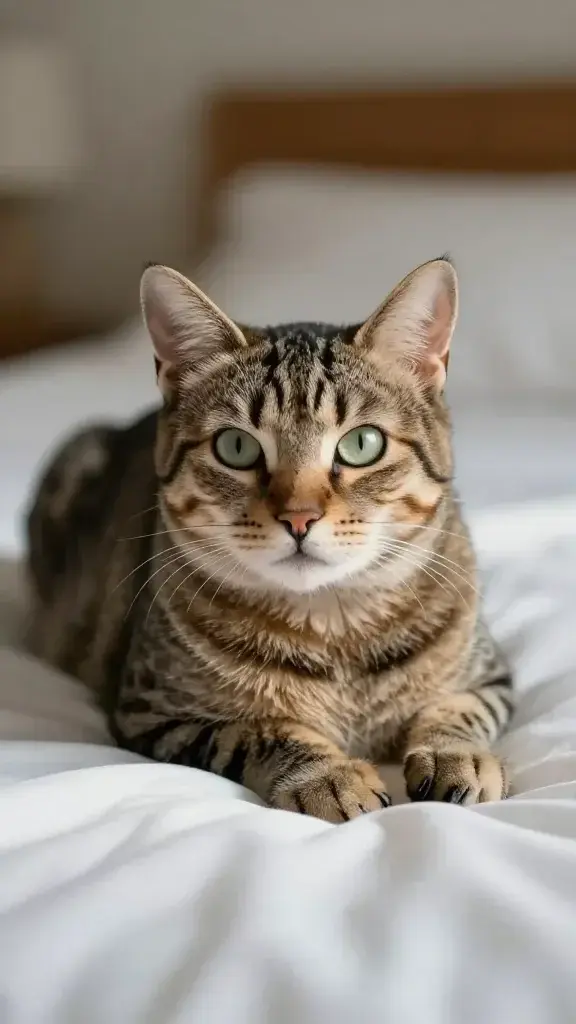
Let’s decode the options without melting your brain—or your cat’s dignity.
- Self-warming beds use reflective materials to bounce body heat back. No electricity. Great for mild chills or cautious cats.
- Electric heated beds plug in and provide low, steady heat. Most use thermostats so they warm to your cat’s body temp when occupied.
- Microwaveable pads heat up like a hot water bottle. Simple and portable, but the warmth fades after a few hours.
- Heated mats or pads fit inside a favorite hideaway (carrier, crate, window perch). Flexible and often easier to clean.
What I Recommend (IMO)
For arthritis: thermostat-controlled electric beds with gentle, vet-approved temps. They deliver consistent warmth, which is the real comfort driver. For heat skeptics or kittens: start with a self-warming bed and upgrade if needed.
Features That Actually Matter
Don’t get distracted by faux-fur drama. Focus on the stuff your cat—and you—will notice.
- Low, safe heat: Look for beds that warm to about your cat’s body temp when in use (around 102°F) and drop when unoccupied.
- Thermostat + auto-regulation: Prevents overheating. Non-negotiable, IMO.
- Chew-resistant cord: Especially if you have a power-chewer or a curious kitten roommate.
- Washable cover: Senior cats and long naps = hair and drool. Machine-washable saves your sanity.
- Supportive cushioning: Memory foam or bolstered sides can help sore joints and make them feel secure.
- Non-slip base: No skating rink vibes when your cat steps in.
Bonus Perks
- Low energy use: Many heated beds use minimal electricity, often less than a small light bulb.
- Size and shape variety: Caves, mats, bolstered donuts—choose based on how your cat likes to sleep.
Do Heated Beds Really Help With Arthritis?
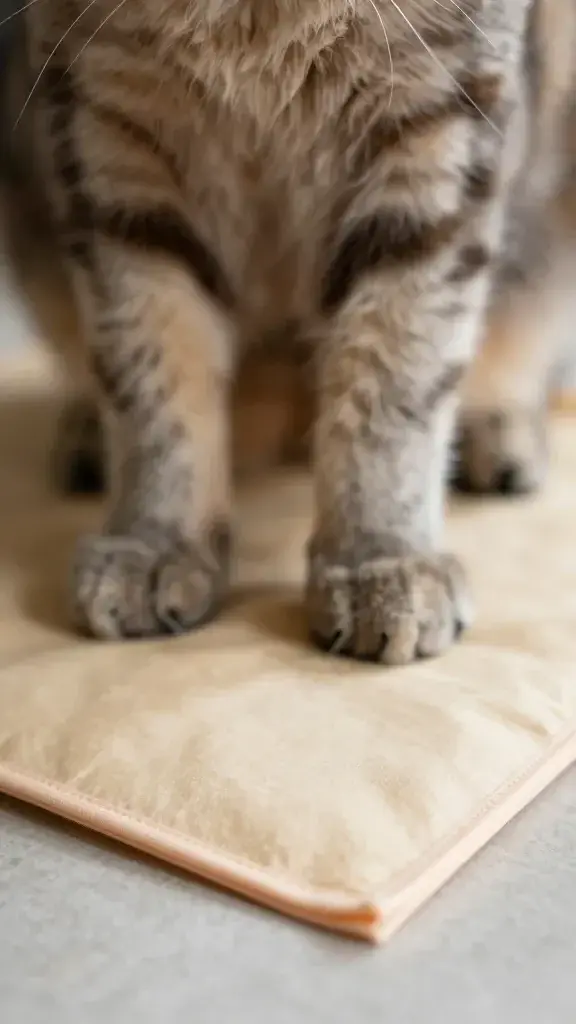
Short answer: yes—if used correctly. You’ll likely see subtle improvements:
- Less stiffness after naps and quicker “warm-up” when they stand.
- More consistent sleep, which helps mood and mobility.
- Better posture because cats sink less into supportive, warmed cushioning.
Heat pairs well with your vet’s arthritis plan—think joint supplements, weight management, and gentle play. The bed becomes part of a comfort toolkit, not a silver bullet.
Signs It’s Working
- Your cat chooses the heated spot over others consistently.
- They jump or climb with more confidence (within their limits).
- They look less hunched and more stretched out when sleeping.
Safety Tips You Should Not Skip
I love warmth. I do not love electrical drama. Keep it safe:
- Use reputable brands that mention thermostatic control and safety testing.
- Inspect cords regularly. If your cat chews cables, use cord protectors or switch to a self-warming bed.
- Place on a flat, dry surface, not under blankets or inside tight enclosures unless the bed is designed for it.
- Provide an unheated alternative nearby so your cat can choose. Cats love options—shocking, I know.
- Senior or thin cats: Add a plush layer over the heating pad if your vet approves, so heat feels gentle, not hot.
- Follow the instructions (yes, actually). Don’t modify or double-stack heating sources.
How to Pick the Right Bed for Your Cat’s Personality

You know your cat best. Lean into their quirks:
- Window watchers: Heated window perches or mats in sunny spots.
- Cave dwellers: Heated igloo/cave beds with a low opening. Cozy and private.
- Sprawlers: Flat heated pads with a wide surface and bolsters for chin-resting.
- “Only my bed” loyalists: Slip a heated pad inside their current favorite bed.
Acclimation Tips
- Introduce it unplugged first so it smells familiar.
- Place it where they already nap—don’t hide it in a hallway no one uses.
- Use a sprinkle of catnip or a favorite blanket as an invitation.
Real-World Pros and Cons
Pros
- Noticeable comfort for arthritic or senior cats.
- Better rest = better mood and mobility.
- Energy-efficient and easy to maintain.
- Encourages cats to stay in one cozy spot (great for multi-pet households).
Cons
- Chewers and cord-hunters need supervision or alternatives.
- Some cats ignore new beds until you bribe them (relatable).
- Not a substitute for vet care—just part of the plan.
FAQ
Are heated cat beds safe to leave on all day?
Most modern heated beds with thermostats are designed for continuous use and draw very little power. Still, check the brand’s guidelines, inspect cords, and ensure your cat can choose a cooler spot. If you leave for long periods, consider a timer outlet for extra peace of mind.
Will a heated bed overheat my cat?
Heated beds for pets should warm to a gentle, cat-appropriate temperature and self-regulate. If the bed feels hot to your hand, that’s a red flag. Provide layers (like a thin blanket) and alternatives so your cat can self-regulate. When in doubt, choose a trusted brand with clear safety specs.
Can kittens or diabetic cats use heated beds?
Kittens usually run warm and may not need extra heat unless your home gets chilly. For diabetic or extremely thin/senior cats, gentle warmth can help, but check with your vet first—some conditions affect heat sensitivity. Always monitor early use to make sure they don’t overdo it.
Is a self-warming bed enough for arthritis?
Sometimes. Self-warming beds help in mild climates or for cats who only need a little extra comfort. For more noticeable arthritis relief, consistent low-level electric heat often works better, IMO.
What size bed should I choose?
Pick a bed where your cat can lie stretched out with a few inches to spare. Bolstered sides help curlers feel secure, while flat pads suit sprawlers. If you’re between sizes, size up—no one complains about extra legroom.
How do I clean a heated cat bed?
Look for removable, machine-washable covers. Wipe down the heating element and pad with a damp cloth as directed. Keep it hair-free to maintain even heating and good hygiene—your lint roller will finally feel useful.
Bottom Line: Do Heated Cat Beds Deliver?
Yes. For arthritic or senior cats, gentle, consistent heat can ease stiffness and make rest more restorative. Pair a quality heated bed with supportive cushioning and your vet’s care plan, and you’ll likely see a comfier, happier cat. And honestly? Watching your grumpy old floof turn into a purring cinnamon roll makes the whole thing worth it, IMO.