
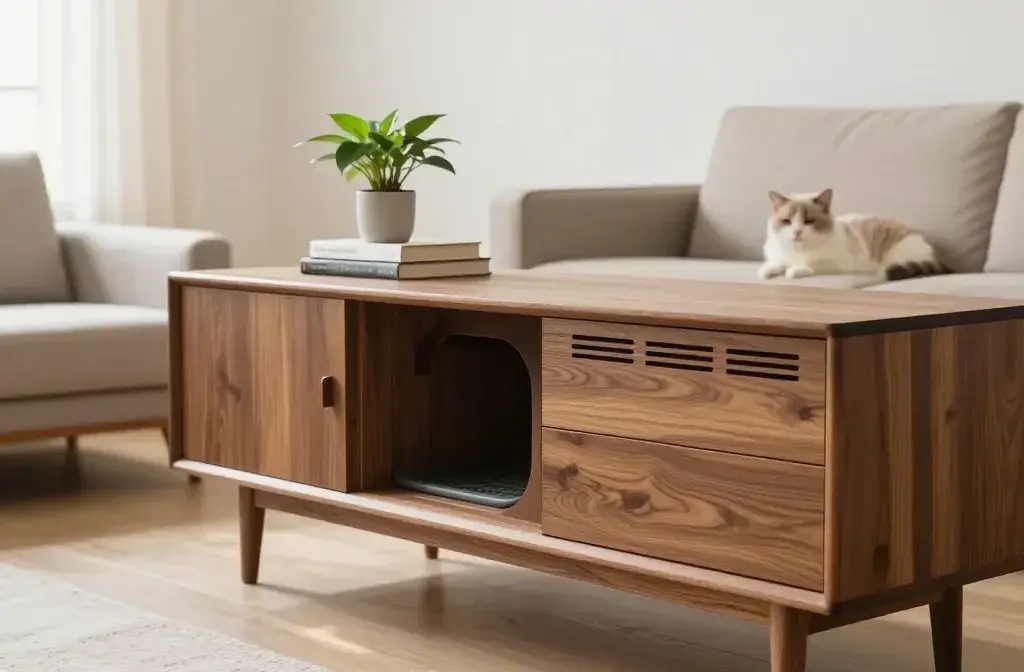
Your cat deserves privacy, and you deserve a home that doesn’t scream “There’s a tiny bathroom in the corner.” Good news: you can hide a litter box in plain sight without turning your living room into a pet aisle. With the right furniture and a few clever screens, you’ll keep things stylish, functional, and—most importantly—odor-free. Intrigued? Let’s make cat chic happen.
Why Hide the Litter Box at All?
You want a clean aesthetic. You want less mess. And you want to keep your cat’s business…their business. Hiding the litter box reduces tracking, contains odors, and keeps guests from staring at a plastic tub like it’s modern art.
Bonus: You can create a more peaceful, private spot your cat actually prefers. Win-win.
Convert Furniture You Already Own
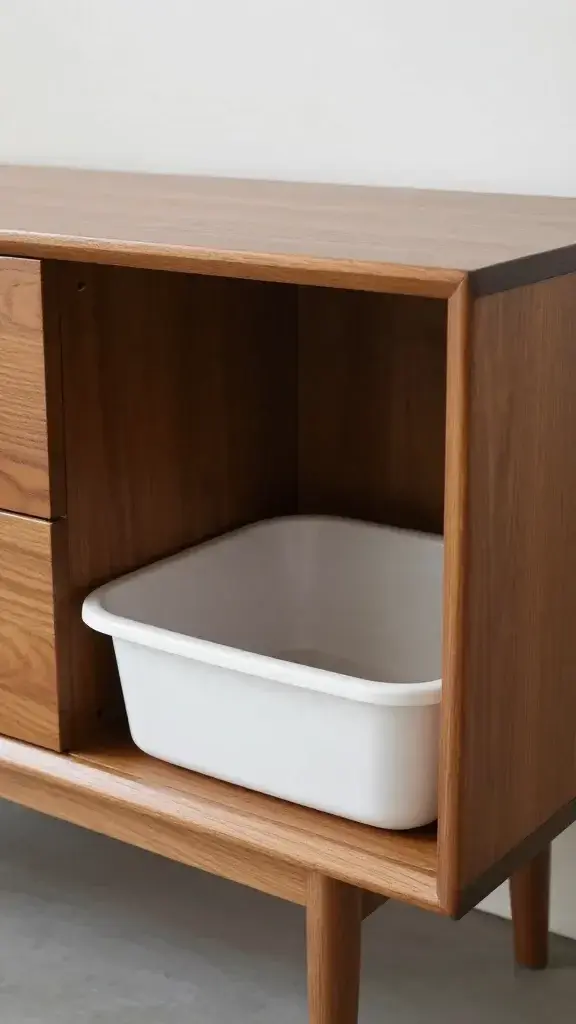
You don’t need special cat furniture to pull this off. You can modify common pieces with a jigsaw, hinges, and a weekend’s worth of motivation.
TV Console or Sideboard
A long, low console works perfectly. Cut a side entry hole, remove a shelf, and line the interior with an easy-to-clean mat. Add magnetic catches to keep doors snug and curious paws out of your cable mess.
Pro tip: Use a rear vent (discreet grille or drilled holes) to improve airflow and cut odors.
Nightstand or End Table
Small space? Hide a compact litter box in a closed nightstand. Face the entry away from the bed and add a charcoal filter patch near the back.
Don’t forget: Keep at least 2–3 inches clearance above the box for easy scooping.
Storage Bench
Benches with lift-top lids give quick access for cleaning. Cut a side entrance and add a litter-catching rug inside. It doubles as a mudroom seat, IMO the most underrated litter hack.
Purpose-Built Litter Box Furniture That Doesn’t Look Like It
If DIY feels like a horror story, buy furniture designed for litter duty. Some of it actually looks legit.
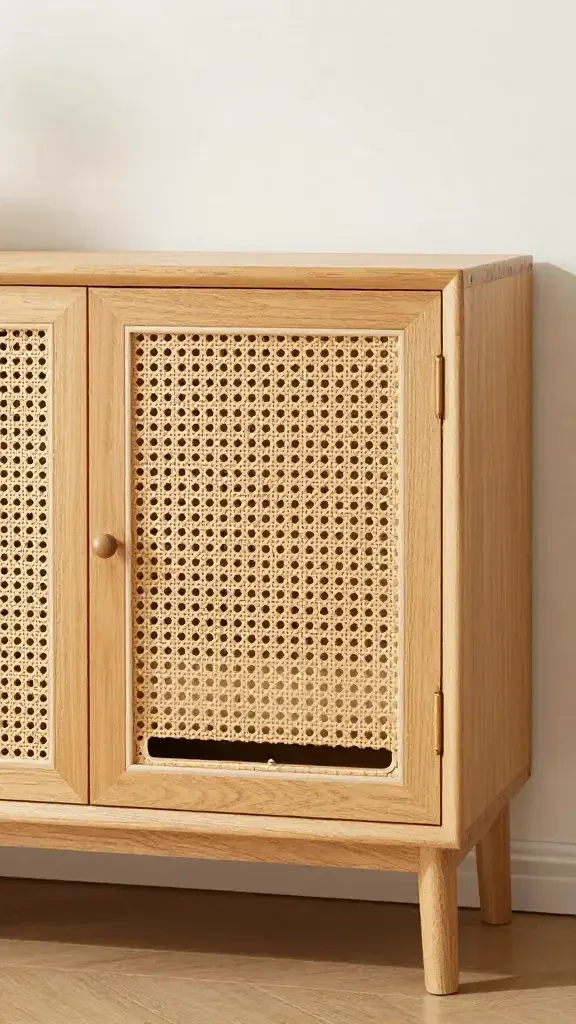
- Modern credenzas: Clean lines, matte finishes, hidden entry portals.
- Corner cabinets: Great for unused nooks behind plants or chairs.
- Vertical towers: Litter on the bottom, storage up top for liners and scoops.
Look for:
- Ventilation slots or replaceable carbon filters
- Water-resistant interior surfaces
- Easy-access panels or wide doors
- Sturdy feet to keep air circulating underneath
Screen It Like a Pro: Simple, Stylish Barriers
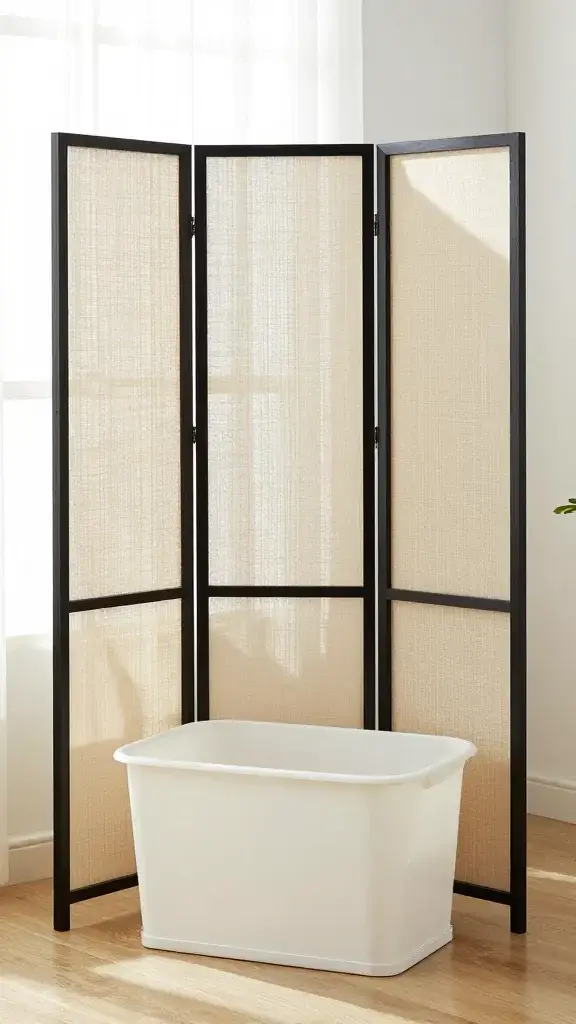
Screens can hide a litter box in the most awkward spots—under stairs, next to a washer, behind a chair. Think “distraction,” not “fortress.”
Accordion Room Dividers
They fold, they move, they look cool. Place one a foot in front of the box and run a little “cat alley” along the side for entry. Instant privacy, zero tools.
Plant Walls and Planters
Tall, dense plants hide a box beautifully. Just keep toxic plants away from curious nibblers. FYI, safe bets include areca palm, Boston fern, and spider plant. Pop the box behind a planter and angle it for airflow.
Bookshelf With Baskets
Turn a cube shelf into a stealth hub. Dedicate the bottom cubes to a box hidden behind fabric bins or a curtain panel. Store scoop, liners, and deodorizer up top. You’ll feel smug every time you walk past.
Make It Cat-Approved (So They Actually Use It)
You can design the chicest litter cave on earth, but if your cat hates it, they’ll veto it. Loudly.
- Keep it roomy: Your cat should turn around easily. If your cat looks like they’re entering a tiny submarine, go bigger.
- Provide an escape route: Avoid dead ends if you have multiple pets. A stressed cat won’t use a box that feels like a trap.
- Choose the right litter: Stick to what your cat already likes. New enclosure ≠ new litter at the same time, IMO.
- Add airflow: Small vents or a cracked door reduce odor and moisture.
- Place it smart: Quiet corner, low foot traffic, far from food and water. No one wants dinner by a toilet.
Odor Control That Actually Works
You can hide a box, but your nose will know if you slack on maintenance. Here’s the real talk:
- Scoop daily: Non-negotiable. Twice daily if you have multiple cats.
- Use a litter mat: Traps granules before they reach your rugs.
- Go for clumping litter + carbon filter: Tag team for best odor capture.
- Add ventilation: Drill discreet holes or install a small grille on furniture backs.
- Deep clean weekly: Empty, wash with mild soap, dry fully, then refill.
- Baking soda: A light sprinkle helps without perfumey cover-ups.
Smart Layouts for Apartments, Houses, and Odd Corners
Different homes call for different hiding spots. A few solid setups:
Small Apartments
– Inside a storage bench by the entry, with a runner mat leading in.
– In a bathroom vanity if you have a free cabinet—cut a side hole and line with a waterproof tray.
– Behind a freestanding screen next to the washing machine—white box + white screen = “invisible.”
Townhouses and Houses
– Under the stairs with a built-in door and a motion light.
– In a mudroom locker unit—litter bottom, coats up top, dignity restored everywhere.
– In a media console near the wall outlet for an air purifier placed just behind.
Weird Nooks and Crannies
– Bay window benches (with a plant jungle in front).
– Dead space beside a fridge—use a narrow cabinet with a cutout.
– Hallway niche with a curtain panel and shelf above for decor. Sneaky.
DIY Tips That Save Time (and Sanity)
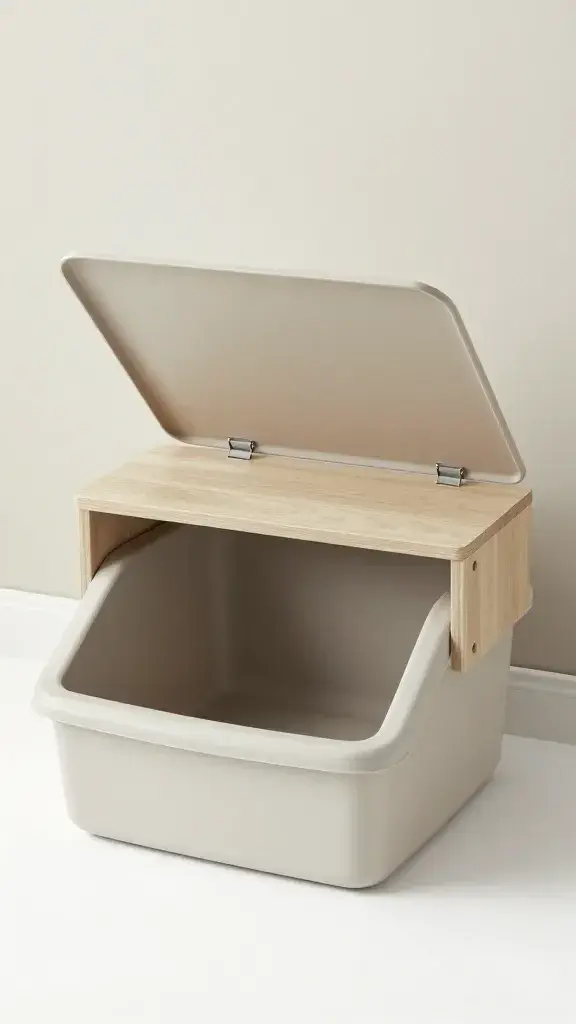
If you’re modifying furniture, a little prep keeps mistakes—and splinters—minimal.
- Measure the litter box first: Width, depth, height, plus clearance for scooping and airflow.
- Cut clean entry holes: Trace a bowl for a neat circle, then use a jigsaw. Sand edges to prevent snags.
- Seal the interior: Polyurethane or adhesive shelf liner makes cleanup easy.
- Use corner braces: Reinforce flimsy panels so the piece doesn’t wobble.
- Add LED puck lights: Battery lights help you see what you’re scooping. Your future self says thanks.
- Think maintenance: Hinged doors > crawling on the floor with a headlamp.
Common Mistakes to Avoid
We’ve all done at least one of these. Learn from our collective chaos.
- Too small, too tight: Your cat won’t use a claustrophobic nook. Bigger is better.
- Zero ventilation: Looks great, smells terrible. Add vents or a small gap.
- Plopping it by the dryer: Loud machines can scare cats off. Choose calm zones.
- Ignoring litter tracking: Skip mats and you’ll find grit in your bed. Ask me how I know.
- Hiding it from yourself: If scooping feels annoying, you’ll procrastinate. Make access easy.
FAQ
How big should the hidden enclosure be?
Aim for at least 1.5 times your cat’s length from nose to tail base, with enough height for them to stand and turn easily. Leave a couple inches of clearance above the box so you can scoop without banging your knuckles. Bigger cats need bigger digs—no exceptions.
Will hiding the litter box increase odor?
Not if you ventilate and scoop daily. Enclosures with vents, carbon filters, or a small gap at the bottom help air circulate. Pair that with clumping litter and a weekly deep clean, and you’ll keep odors in check.
Is a top-entry litter box good for hiding?
It can work, especially for reducing tracking, but some cats dislike them. If you choose top-entry, make the hidden furniture tall enough and ensure your cat has a clear jump-in path. Senior or arthritic cats usually prefer side-entry.
What type of litter works best in enclosed setups?
Clumping clay or plant-based clumping litters perform well because they trap moisture fast. Avoid super-scented options that can overwhelm in a small space. Add a thin layer of baking soda for extra odor control, FYI.
How many hidden boxes do I need for multiple cats?
Follow the classic rule: one box per cat, plus one extra. You can hide them in different rooms using similar setups so each cat has options. Crowding everyone into one designer box invites turf wars.
Can I put the hidden litter box outside on a balcony?
Not recommended. Temperature swings, moisture, and noise can stress your cat and cause litter to clump weirdly. If you must, use a weatherproof enclosure and make sure your cat can access it comfortably year-round—but indoors is best, IMO.
Wrap-Up: Stealth Mode, Activated
You don’t need to sacrifice style to give your cat a decent bathroom. Hide the box inside furniture you love, or screen it with plants and dividers that blend in. Keep it ventilated, scoop daily, and make sure your cat feels safe. Do that, and you’ll have a litter setup that disappears into your home—while your cat does their business like a VIP behind the velvet rope.