You love your cat. You also love not spending $3 a can on something your tiny overlord inhales in 14 seconds. Good news: you can make budget-friendly wet cat food at home without sacrificing nutrition or flavor (yes, your cat has opinions). I’ll show you exactly how to build a simple, vet-aligned recipe that saves money and keeps whiskers twitching. Ready to turn your kitchen into a five-meow bistro?
What Cats Actually Need (So We Don’t Wing It)
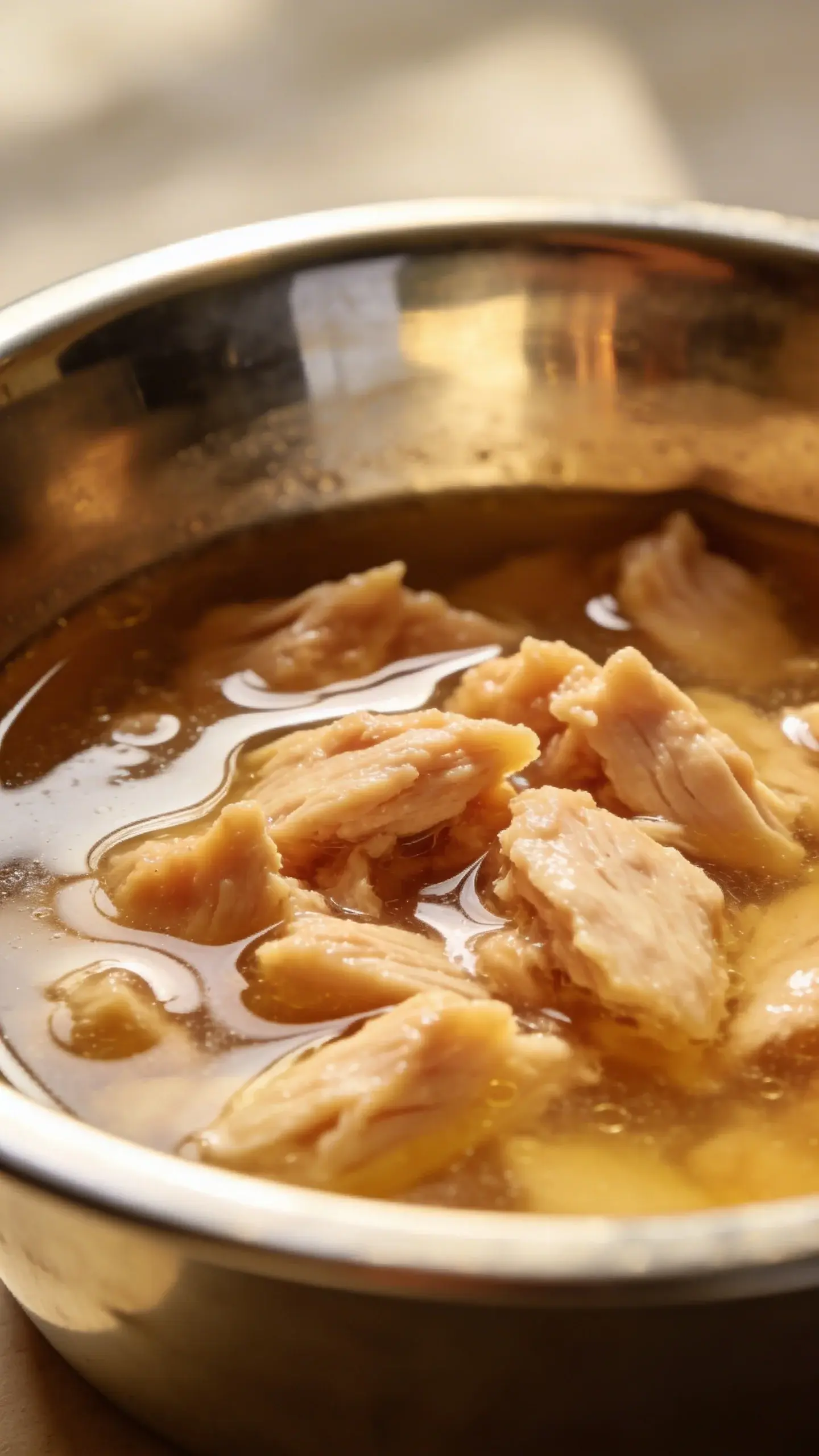
Cats aren’t small dogs. They’re obligate carnivores, which means they need mostly animal protein and fat. Carbs? Minimal. Vegetables? Cute for photos, not for nutrition.
Core needs your recipe must cover:
- High-quality animal protein: Chicken, turkey, rabbit, beef, or fish (in moderation).
- Fat: Cats use fat for energy and taste—don’t go lean-only.
- Taurine: Non-negotiable amino acid found in heart and dark meat. You can also add powdered taurine.
- Calcium and phosphorus balance: Comes from bone (ground) or a proper supplement.
- Moisture: Wet food hydrates and supports urinary health.
FYI: If you skip taurine or calcium, you’ll make food that smells great and fails your cat. We won’t do that.
Budget Pantry Staples That Work
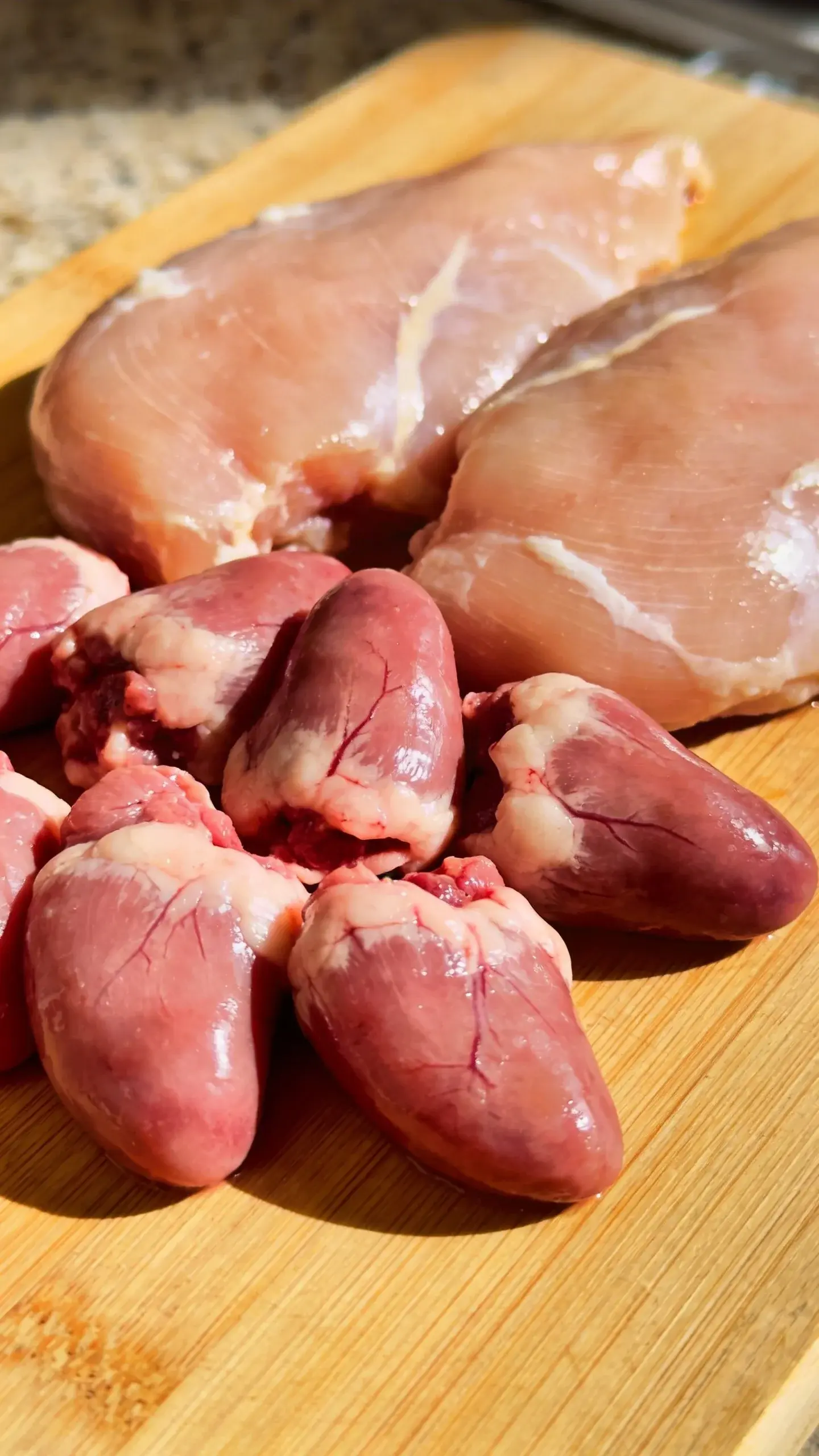
Grocery store wins you can grab on sale or in bulk:
- Chicken thighs (skin-on, bone-in if you’re grinding; boneless if not)
- Chicken hearts (cheap and taurine-rich)
- Chicken liver (vitamin A powerhouse—use moderately)
- Egg yolks (fat + choline; optional)
- Gelatin (optional for texture and extra protein)
- Fish oil or salmon oil (EPA/DHA for skin and coat)
- Taurine powder (inexpensive, widely available)
- Calcium source: ground eggshell powder or commercial calcium supplement
What About Bones?
If you own a meat grinder that handles bones, awesome—you can include raw soft bones. If not, use eggshell powder or a cat-safe calcium supplement. Never add cooked bones (they splinter and turn dinner into an ER visit).
The No-Fuss, Budget-Friendly Wet Cat Food Recipe
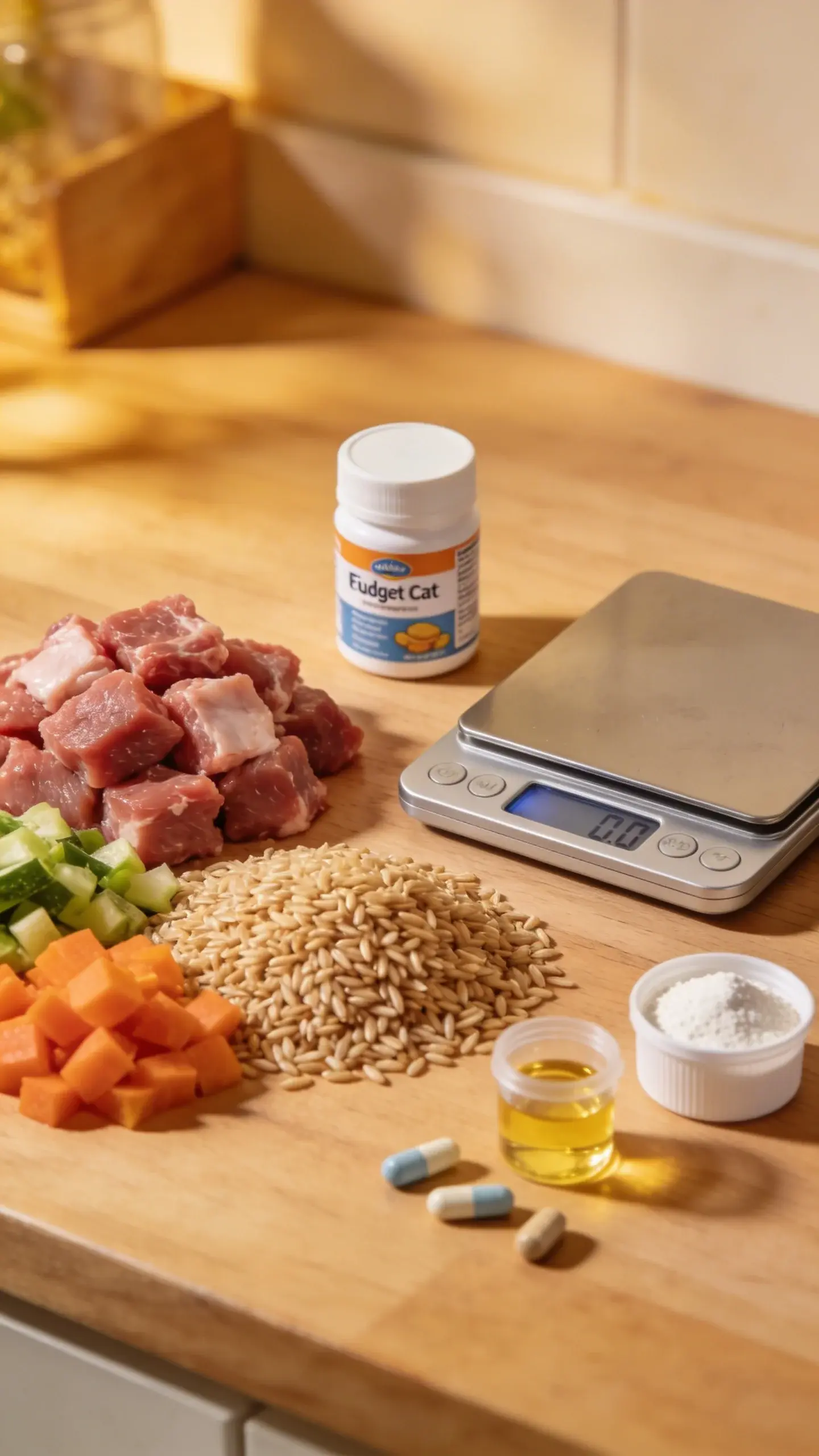
This makes roughly 10–12 servings for an average adult cat. Freeze extras in meal portions.
Ingredients:
- 2 lbs chicken thighs (boneless, skin-on)
- 6 oz chicken hearts
- 2 oz chicken liver
- 1 cup water or unsalted chicken broth (no onion, no garlic)
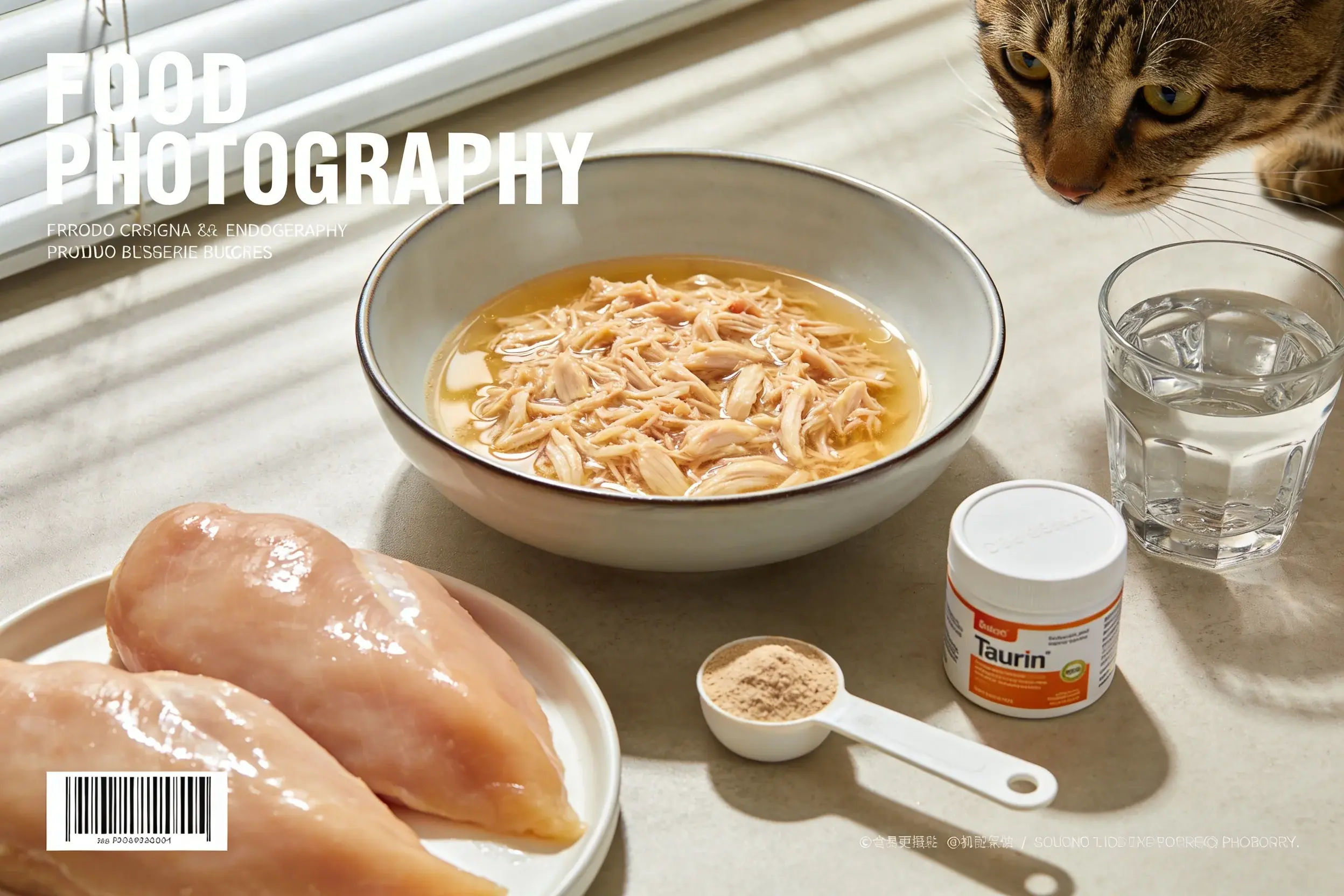
- 1 tsp taurine powder
- 1 tsp fish oil (or 2 gel caps, punctured)
- 1 tsp eggshell powder (see below) or follow label for a calcium supplement
- Optional: 1 egg yolk, 1 tsp unflavored gelatin
Method:
- Chop the chicken into small chunks. Finely chop hearts and liver.
- Warm the water/broth. If using gelatin, dissolve it in the warm liquid.
- Mix meats in a bowl. Stir in fish oil, taurine, calcium, and yolk. Add liquid until you get a soft, spoonable texture.
- Portion into small containers (2–3 oz each). Refrigerate up to 48 hours; freeze the rest up to 2–3 months.
Feeding guide: Most adult cats eat about 4–6 ounces of wet food daily, split into 2–3 meals. Adjust for activity, age, and body condition. And yes, your cat will lie about being starving.
How to Make Eggshell Calcium
- Rinse cracked eggshells, dry completely (air dry or 200°F oven for 10–15 minutes).
- Grind to a fine powder in a spice grinder.
- Use about 1 teaspoon per pound of boneless meat.
IMO, eggshell calcium is the ultimate budget hack—basically free if you eat eggs.
Cost Breakdown (Because Savings = Treat Money)
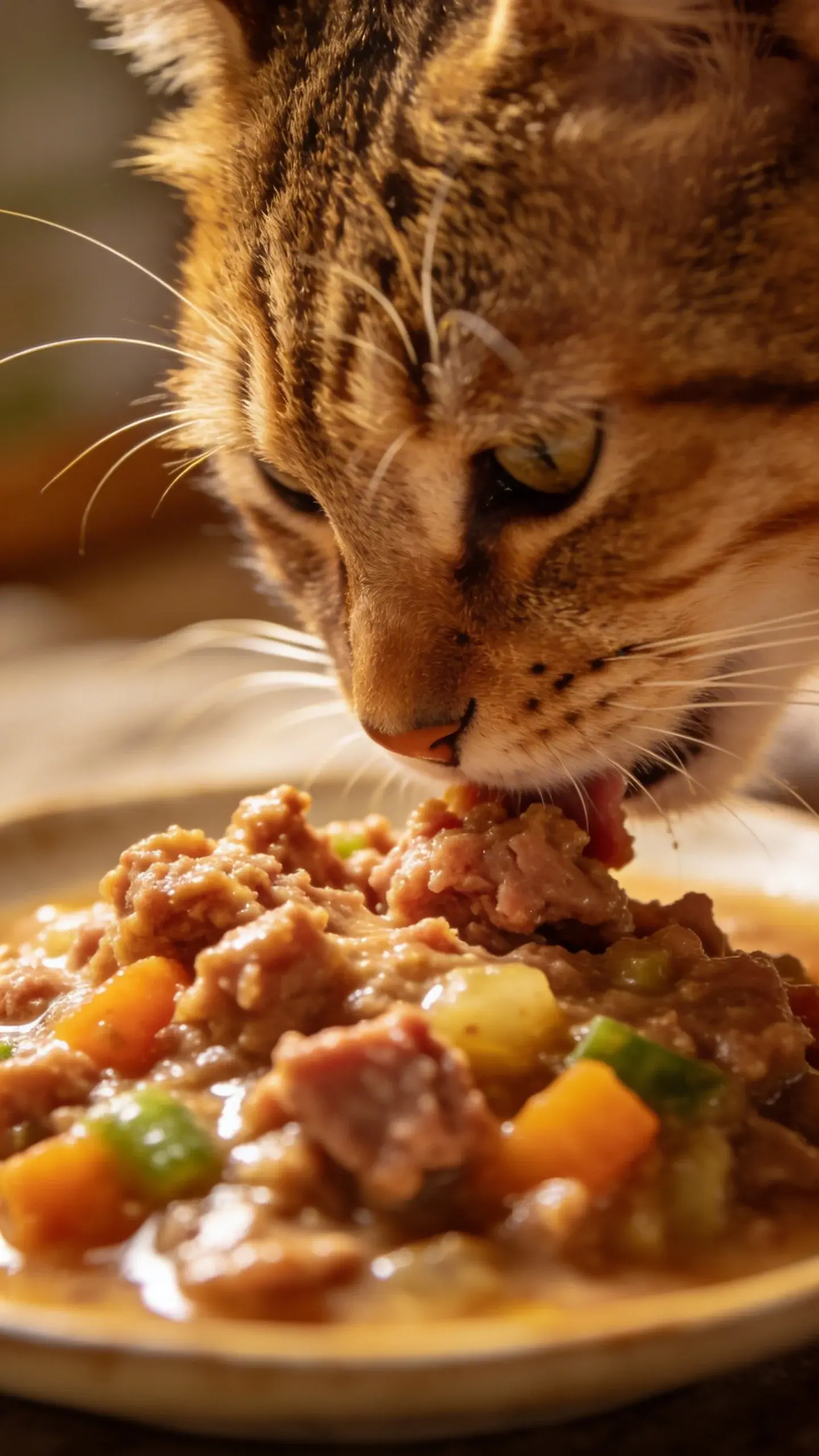
Rough ballpark for 10–12 servings:
- Chicken thighs: $4–6
- Hearts + liver: $2–3
- Supplements (per batch portion): $0.50–$1
- Misc (broth/gelatin/egg): $0.50
Total: ~$7–10 per batch, or $0.60–$1 per serving. Compare that to $1.50–$3 per can. Your wallet purrs.
Safety Tips You Actually Need
We’re feeding a carnivore, not rolling dice.
- Handle raw meat safely: Clean surfaces, wash hands, and avoid cross-contamination.
- Freshness first: Freeze portions you won’t use within 48 hours.
- No onions, no garlic, no seasoning: These can harm cats.
- Balance matters: Don’t skip taurine or calcium. Ever.
- Transition slowly: Mix 25% new with 75% old food and increase over 5–7 days.
Raw vs. Lightly Cooked
You can serve it raw if you trust your sourcing and hygiene. If you prefer lightly cooked, sear the outside of the meat or gently poach until the outside turns opaque, then chop. Keep liver and hearts barely cooked or raw to preserve taurine—or just add extra taurine powder. Easy win.
Customization Without Wrecking the Nutrition
Want variety? Do it smart.
- Protein swaps: Turkey thighs, rabbit, or beef chuck work. Keep the heart/liver ratio similar.
- Fish: Rotate in sardines or salmon once a week, not daily (too much fish oil = nope).
- Texture tweaks: Blend half the batch for a pâté if your cat loves smooth food.
- Hydration: Add a bit more water for extra gravy. Cats vote yes on gravy.
When to Add a Multivitamin
If you rotate proteins and use heart, liver, taurine, and calcium, you usually don’t need a multivitamin. For peace of mind, choose a cat-specific supplement that lists AAFCO/FEDIAF alignment. Follow the label—do not stack multiple supplements like a smoothie bar.
Meal Prep Like a Pro (But Faster)
Time is money, and you want both.
- Batch it: Double the recipe and freeze in silicone trays for perfect portions.
- Label: Date your containers. Mystery meat month is not a vibe.
- Use reusable deli cups: Cheap, stackable, and cat-proof (mostly).
- Warm to tempt picky eaters: Stir in a splash of warm water before serving. Aroma = instant zoomies.
FAQ
Can I skip the taurine if I use hearts?
Short answer: don’t. Hearts help, but taurine levels vary and degrade with heat and storage. Add taurine powder every time to protect your cat’s eyes and heart. It’s cheap insurance.
What if my cat has allergies?
Start with a single-protein recipe like turkey-only. Avoid common triggers like fish if you suspect it. If your cat has diagnosed food allergies, check with your vet before switching and keep a food diary for reactions.
How do I know if the calcium amount is right?
Use a reliable ratio: about 1 tsp eggshell powder per pound of boneless meat or follow a pet-formulated calcium supplement label. Too little calcium can cause bone issues; too much can cause constipation. Keep it measured, not eyeballed.
Can I add veggies or rice to stretch it?
You can, but your cat won’t benefit much. Cats don’t need carbs, and fillers can dilute essential nutrients. If you want to stretch the budget, buy meat in bulk, use thighs over breasts, and make your own eggshell calcium.
Is this safe for kittens?
Kittens need more calories and precise nutrition. You can adapt this recipe with more fat and careful calcium/phosphorus balance, but IMO, check with your vet for a kitten-specific plan first. When in doubt, use a complete kitten wet food until you’re confident.
My cat hates change. How do I transition?
Go slow and sneaky. Start with 10–25% new food mixed into the usual, add warm water for aroma, and top with a tiny crumble of freeze-dried meat. Increase the ratio every couple of days. Hold the line—consistency wins.
Conclusion
You don’t need a culinary degree (or a second job) to feed your cat well. With budget cuts of meat, smart supplements, and a little batch prep, you’ll serve balanced, juicy meals for a fraction of canned prices. Your cat gets fresh, species-appropriate food; you keep your savings for toys they’ll ignore in favor of the box. IMO, that’s a win-win.