
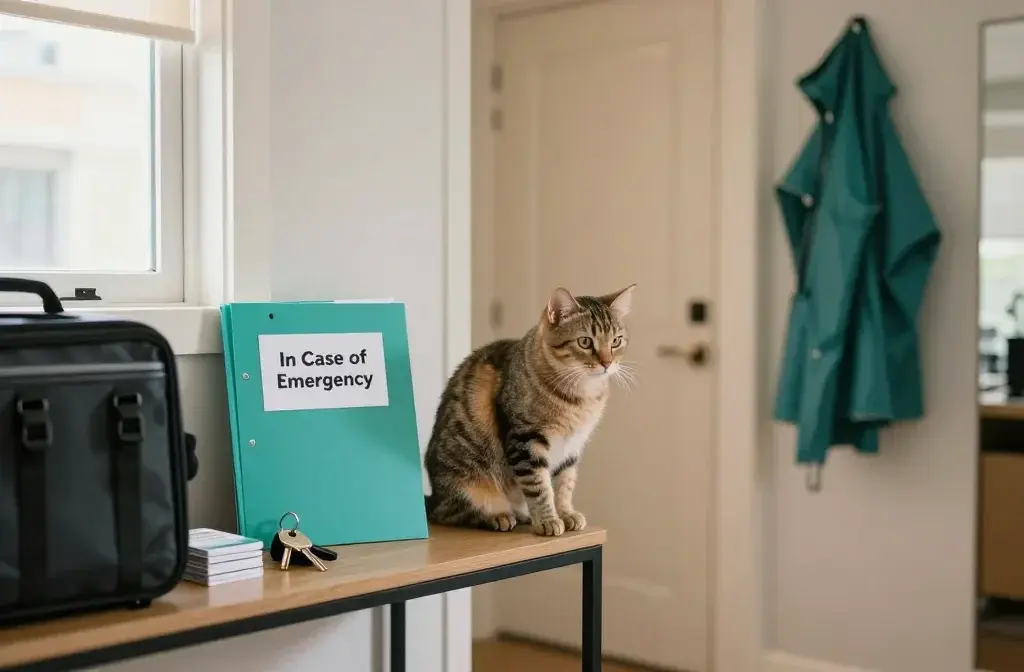
Your cat doesn’t care about your calendar, your deadlines, or your phone battery percentage. Emergencies happen anyway. And when they do, you want zero doubt that your furry chaos gremlin stays safe, fed, and loved. Let’s build a simple, airtight “In Case of Emergency” plan for your cat—so you can breathe, and your cat can keep judging you in peace.
Why Your Cat Needs an Emergency Plan (Yes, Your Cat)
You can’t predict a sudden hospital trip, a broken-down car, or a weather disaster. But you can plan for them. A few smart steps today will keep your cat’s routine on track tomorrow. Bonus: you’ll sleep better knowing your bases are covered.
Choose Your Cat’s Backup Humans
You need at least two trusted people who can step in fast. Think nearby friends, neighbors, or family who actually like your cat (minimum requirement, IMO).
- Primary caregiver: The person who can get to your home within a few hours.
- Secondary caregiver: A backup in case the primary is sick or traveling.
- Professional option: A bonded pet sitter or local cat care service on standby.
What to Ask Before You Add Them
- Are they comfortable handling your cat’s quirks? (Yes, even the “don’t touch me” zoomies.)
- Could they administer meds if needed?
- Can they do overnights if it comes to that?
- Do they have transportation and your spare key?
Pro tip: Put it in writing. A short text or email confirming they agree saves confusion later.
Create a One-Page Cat Care Sheet
Keep it short, clear, and printed. Tape it inside a kitchen cabinet and save a digital copy on your phone. Think of it as your cat’s “user manual,” because cats obviously run on mysterious settings.
What to Include
- Basic info: Name, age, microchip number, spay/neuter status, and a recent photo.
- Feeding: Food brand, exact portions, schedule, and off-limits foods.
- Water & litter: Location of bowls, fountains, and litter boxes; cleaning routine.
- Medical: Vet name, address, phone; medications, dosages, and timing.
- Behavior: Hiding spots, fears (vacuum, storms), handling tips, and how to win trust.
- Emergency contacts: Your backup humans + your preferred emergency clinic.
- House access: Key location, door codes, alarm instructions.
- Evacuation kit: Where to find the carrier, go-bag, and supplies (more on that soon).
Make It Foolproof
- Use big, bold headings. No one wants to dig for the litter scoop info during a crisis.
- Add photos of meds and the carrier’s latch if they’re tricky.
- Highlight any allergies or no-go meds in bold.
Build a Cat Go-Bag (So You Can Just Grab and Run)

Evacuations happen fast. If you need to leave in 2 minutes, your future self will bless you for this bag.
What Goes in the Bag
- Carrier: Sturdy, labeled, with a soft towel that smells like home.
- Food and water: 3–7 days of your cat’s regular food, collapsible bowls, and bottled water.
- Medications: At least one week’s supply in labeled containers with instructions.
- Litter setup: Lightweight litter, disposable trays or a small foldable box, scoop, bags.
- Docs: Printed vet records, rabies certificate, microchip number, and care sheet copy.
- Comfort items: A toy, a small blanket, and a shirt that smells like you.
- Extras: A spare leash/harness (even for cats), calming wipes or spray (Feliway), flashlight.
FYI: Check expiration dates quarterly. Swap food and meds before they go bad.
Lock Down Access and Authorization
You can have the best plan in the world, but if no one can get into your house or authorize vet care, it falls apart. Let’s fix that.
Keys, Codes, and Who Can Use Them
- Give your primary and secondary caregivers a physical key—or confirm they can access a lockbox.
- Share any alarm code and disarm instructions. Don’t make your friend explain to the cops why they’re “breaking in” to feed Mr. Whiskers.
- Label the carrier location clearly: “Hall closet, top shelf.”
Vet and Payment Permissions
- Call your vet and add your caregiver(s) as authorized decision-makers for emergency treatment.
- Leave a signed treatment authorization with a spending limit (“Treat up to $X if I’m unreachable”).
- Keep a spare credit card or prepaid card in the go-bag for urgent costs. Or set up your caregiver with your vet’s card on file.
IMO: This tiny admin step saves hours of chaos when minutes matter.
Prepare for Different Kinds of Emergencies
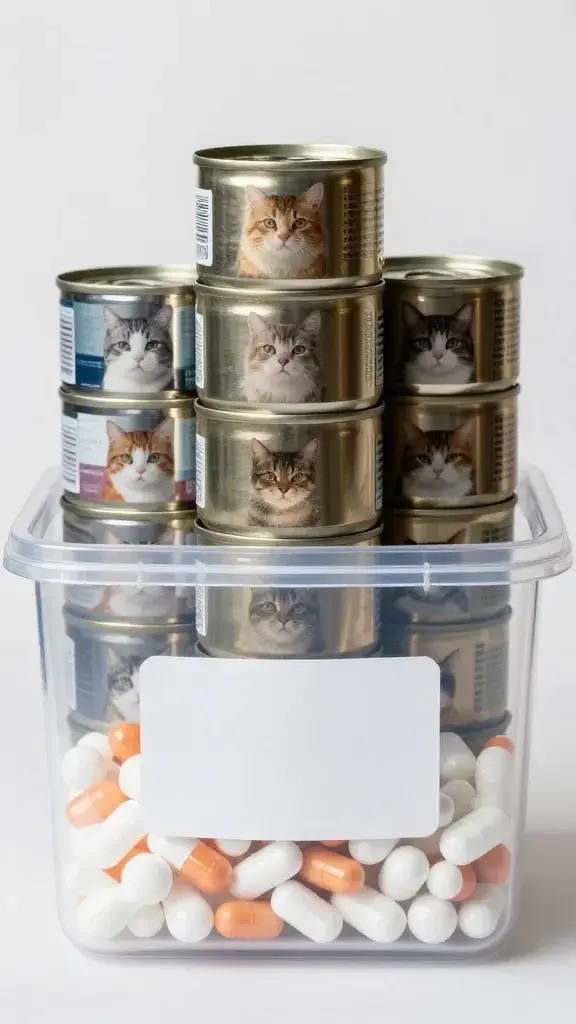
Not all emergencies look the same. Tailor your plan for the likely scenarios in your area and life.
If You’re Temporarily Unavailable
- Text your caregiver and share your care sheet PDF.
- They stop by, feed, scoop, cuddle (if permitted), and send photo updates.
- They continue daily until you’re back. Easy.
Medical Emergency (You Can’t Communicate)
- Keep an “I have pets at home” card in your wallet and a phone lock-screen note with caregiver info.
- Your ICE contact alerts the caregiver to start visits or pickup.
- Caregiver uses your printed instructions and has vet authorization ready.
Evacuation (Fire, Flood, Storm)
- Carrier out, cat in, go-bag grabbed. Don’t chase—lure with treats and use a towel burrito if needed.
- Head to your pre-decided safe location: a pet-friendly hotel, friend’s place, or shelter that accepts animals.
- Text your caregiver and share location updates.
Practice run: Do a 5-minute drill once. You’ll discover the carrier sticks, the flashlight is dead, and your cat teleports under the bed.
Microchip, ID, and Photos: The Reunion Toolkit
Collars slip. Doors fail. Chaos wins sometimes. Prep for a fast reunion.
- Microchip: Verify your info is current in the registry.
- Collar + tag: A breakaway collar with your phone number helps kind strangers help you.
- Recent photos: Full-body shots from both sides and a close-up of the face, printed and digital.
Lost Cat Plan (Just in Case)
- Alert neighbors and local lost pet groups immediately.
- Place the litter box and a worn shirt near the entry point (yes, it can help).
- Set a humane trap if needed; many shelters loan them.
Make It Visible (Because Subtlety Doesn’t Save Lives)
If first responders show up, you want them to know a cat lives there.
- Put a Pet Inside window cling near your front door with the number of pets.
- Stick a small note by your door: “In case of emergency, contact [Name, Number] for cat care.”
- Save your care sheet and vet info in a shared cloud folder with your caregivers.
FAQ
How often should I update my cat’s emergency plan?
Review it every 6 months or after any big change—new meds, new food, new vet, or a move. Also refresh the go-bag food and meds before they expire. Set a recurring calendar reminder so you actually do it.
What if my cat hates the carrier and hides?
Leave the carrier out 24/7 with a soft blanket and treat bribes. Feed near or inside it. Use calming spray 15 minutes before loading. In a pinch, do the towel burrito: wrap snugly, support the body, slide into the carrier rear-first.
Is a microchip really necessary if my cat stays indoors?
Yes. Doors open. Screens fail. A microchip with up-to-date info gives you the best shot at a reunion. It’s quick, affordable, and basically a no-brainer, IMO.
How many days of supplies should I store?
Aim for 3–7 days minimum. If you live in a disaster-prone area, stretch to 2 weeks. Your future self—and your cat’s digestive system—will say thanks.
Can I rely on a pet sitter app in an emergency?
As a backup, sure. But line up a human you know first. Apps help when you travel; true emergencies need someone who can access your home fast and already knows your cat’s routine.
What if my cat needs medication at strict times?
Train your backup caregiver now. Write clear, bold instructions with photos. Set shared phone alarms. If the meds are complex, consider pre-filled pill organizers or vet-administered boarding as a contingency.
Conclusion
An emergency plan turns panic into a checklist. You pick your backup humans, prep a simple care sheet, pack a go-bag, and make access and vet permissions a non-issue. It’s not complicated—just deliberate. Do it once, tweak it twice a year, and enjoy that smug, prepared-pet-parent energy. Your cat won’t thank you, obviously. But they’ll stay safe, comfy, and gloriously unimpressed—and that’s the win.