
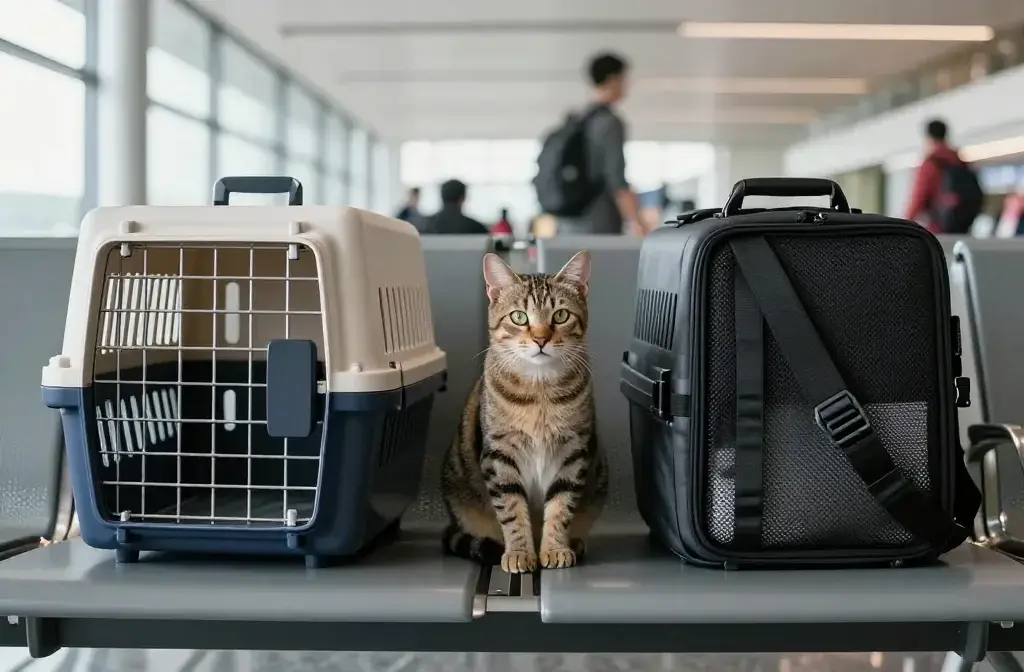
You’ve decided to upgrade your cat carrier because your feline deserves better than a squeaky plastic box from 2003. Smart move. The right carrier keeps your cat safe, your nerves intact, and your vet techs grateful. Let’s cut the fluff and figure out whether you need a hard-sided fortress, a flexible soft-sided cocoon, or an airline-approved ticket to stress-free travel.
Start With Your Cat’s Personality (Yes, It Matters)
Your cat’s vibe should lead your choice. Got a chill shoulder cat who naps through chaos? They’ll likely love a soft-sided carrier. Live with a drama queen who turns into a tornado at the vet? Hard-sided might save the day (and your upholstery).
- Confident cats often do well in soft-sided carriers with good visibility.
- Anxious or escape-artist cats do better in hard-sided carriers with solid walls and secure latches.
- Big-boned beauties might need the space and structure of a hard shell.
- Kittens or seniors benefit from stable bases and easy access tops—look for top-loading designs.
Hard-Sided Carriers: The Reliable Tank
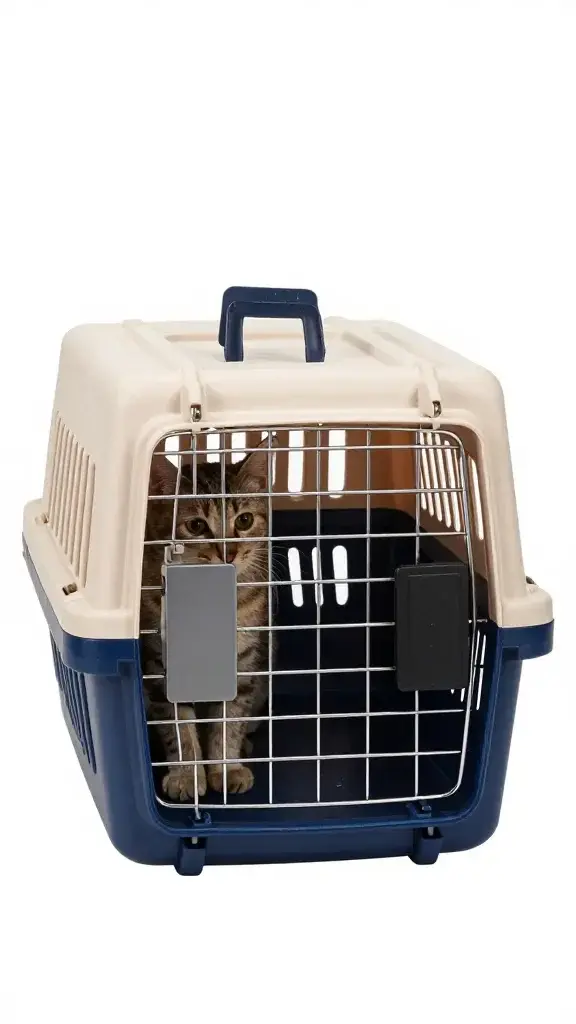
Hard carriers serve classic durability with fewer surprises. They protect from bumps, vet-room jostles, and the occasional kick from a startled Labradoodle.
Pros
- Stability and protection: Rigid walls keep your cat from feeling every movement.
- Top-loading options: Essential for “claws engaged” cats who resist front entries.
- Easier to clean: Most plastic shells wipe down quickly after… incidents.
- Great for vet visits: Many allow you to remove the top so the exam happens inside the bottom half—less trauma.
Cons
- Bulkier and heavier to carry, especially on public transit.
- Awkward to store unless it doubles as a cat cave between trips (which it often will).
- Fewer airline options if you want in-cabin travel under the seat.
Best For
- Vet visits and short car rides with anxious cats
- Larger or heavier cats who need more structure
- People who want maximum durability and easy cleaning
Soft-Sided Carriers: The Cozy Commuter
Soft carriers shine when you want lightweight, flexible, and easy to stash under a seat or in a closet.
Pros
- Lightweight and comfy: Padded straps and softer walls keep both of you happier.
- More access points: Many have multiple zippered panels—front, side, top—for smoother loading.
- Flexible for travel: Some compress slightly to fit under airplane seats (huge win for in-cabin travel).
- Better visibility and ventilation: Mesh panels give airflow and line-of-sight without feeling too exposed.
Cons
- Harder to clean if the padding or mesh gets… “blessed.”
- Determined cats can claw or push at mesh panels, so look for reinforced designs.
- Less protective in bumps or impacts.
Best For
- Airline in-cabin travel and public transit
- Calm or curious cats who don’t try to jailbreak
- Owners who carry the carrier long distances (lightweight FTW)
Airline-Approved: What It Actually Means
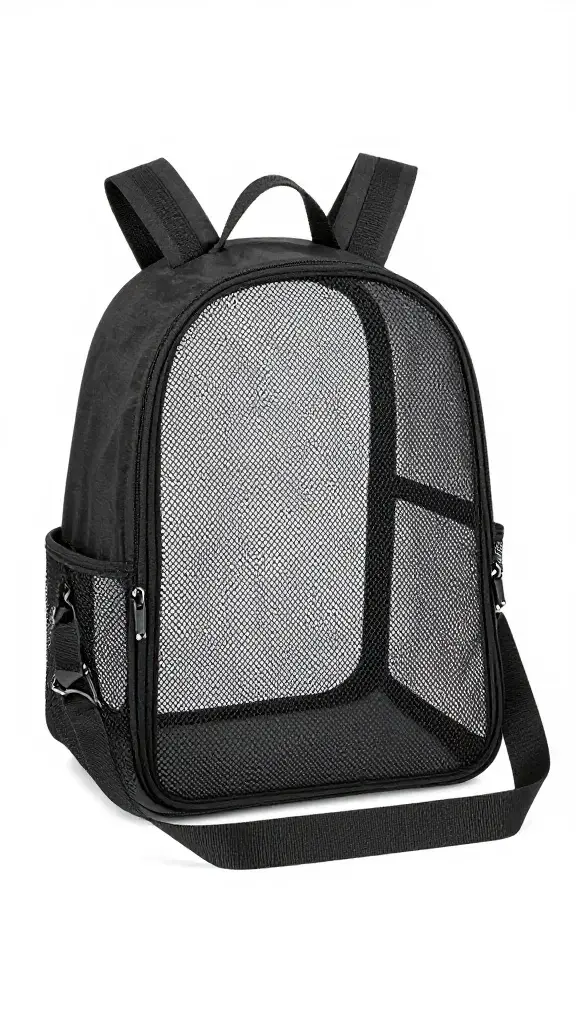
Airlines don’t use one universal standard (shocker). “Airline-approved” on a label means “this meets common guidelines,” but you still need to check your specific airline’s pet policy.
General In-Cabin Requirements
- Under-seat fit: The carrier must slide under the seat in front of you. Soft-sided often works best.
- Ventilation: At least two sides of mesh or vents.
- Secure closures: No chance of a zipper “oops.” Locking zippers help.
- Leak-proof bottom: Add a pee pad or absorbent liner, just in case.
- Size and weight: Airlines limit combined pet + carrier weight—sometimes 15-20 lbs. FYI, they weigh it.
Under-Seat Dimensions (Typical, But Verify)
- Length: around 18-19 inches
- Width: around 11-12 inches
- Height: around 10-11 inches (soft carriers can flex a bit)
Hard vs. Soft for Flying
- Soft-sided carriers: Best for in-cabin because they flex to fit under seats.
- Hard-sided carriers: Usually for cargo holds, which most cat owners avoid for obvious reasons.
Must-Have Features (Regardless of Type)
This is where carriers sink or shine. A few smart features change everything.
- Top entry: Essential for anxious or stubborn cats. Gravity helps. Your nerves thank you.
- Reinforced frame: Prevents collapsing when you pick it up or when your cat leans into the side.
- Quality zippers and latches: Look for lockable zippers or metal hardware.
- Sturdy base: A removable, rigid floor makes your cat feel stable and helps with cleaning.
- Ventilation without exposure: Mesh panels are great, but avoid carriers that feel like open cages.
- Comfortable strap/handles: Padded shoulder straps save your back. Crossbody options are gold for airport sprints.
- Storage pockets: For documents, treats, collapsible bowls, and a calming spray.
- Easy-to-clean materials: Machine-washable pads and wipeable interiors = sanity.
Sizing: Don’t Guess—Measure
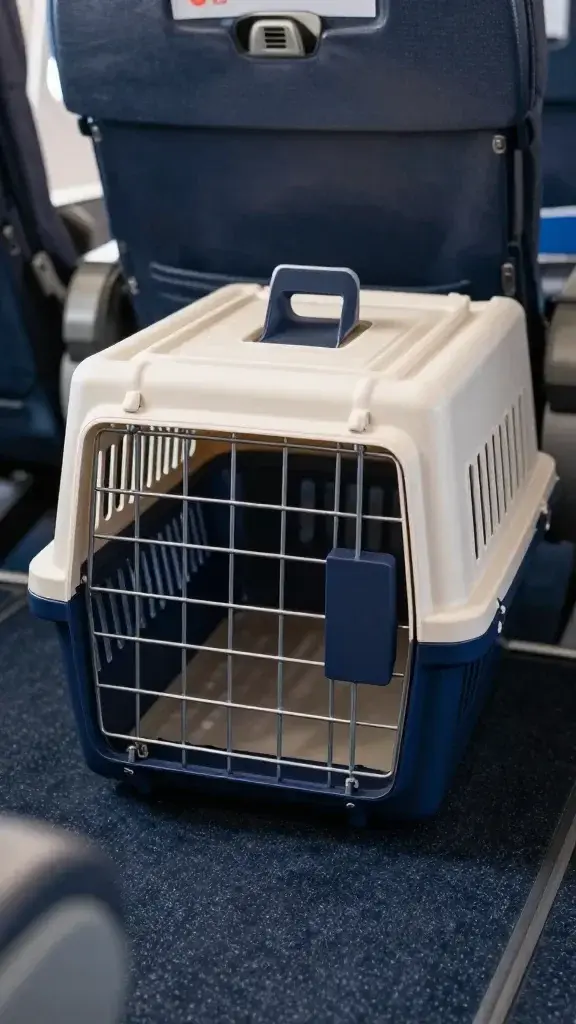
Your cat needs to stand, turn, and lie down comfortably. Too big and they’ll slide around; too small and you’ll hear about it loudly.
- Measure length: Nose to base of tail. Add 2-3 inches.
- Measure height: Floor to top of head or ears. Match the carrier height closely.
- Check weight limits: Pick a carrier rated for at least 2-3 lbs more than your cat’s weight.
- Try a mock load: Put a towel inside and see if your cat can turn. Bribe with treats, obviously.
Pro Tip
If you’re flying, prioritize fit under seat over extra room. Cats often feel safer in a snug space during travel anyway.
Comfort and Stress-Reduction Tricks
You can buy the perfect carrier and still get a yowling soundtrack if you skip the comfort factor.
- Line it right: Use a plush, washable pad plus a pee pad underneath.
- Smell is everything: Add a blanket or T-shirt that smells like you. IMO this works like magic.
- Practice runs: Leave the carrier open at home with treats inside. Turn it into a nap spot, not a doom box.
- Cover partially: A light cover on one or two sides calms overstimulated cats.
- Use calming aids: Feliway spray, calming chews (ask your vet), or a vet-prescribed anti-anxiety plan for frequent flyers.
Popular Picks (Categories, Not Ads)
I’m not shilling, just giving you types that tend to work well:
- Hard-sided, top-loading plastic shells: Affordable, durable, and vet-friendly. Great first carrier for most cats.
- Structured soft-sided with steel frame: Keeps shape, fits under seats, resists claw pressure.
- Duffle-style soft carriers with multiple entries: Excellent for nervous cats who need options.
- Expandable sides (airline-friendly versions): Expand at the gate or hotel, not during takeoff. FYI, keep it zipped to standard size on board.
FAQs
How do I get my cat into the carrier without a battle?
Use the top entry if you have it. Keep the carrier upright, lower your cat in hind-end first, and close gently. At home, leave the carrier open with treats and feed near or inside it for a week. Consistency beats wrestling.
Is it safe to use a secondhand carrier?
Yes, if it’s clean and intact. Disinfect thoroughly, replace any frayed pads, and check for cracked plastic, weak zippers, or bent frames. If it smells like another pet and your cat hates it, swap the bedding or add a familiar blanket.
Can I use a backpack carrier?
For short trips, sure—some cats love the view. Make sure it has a rigid base, ventilation on multiple sides, and locking zippers. Skip backpacks for flights unless the airline explicitly allows them and they fit under-seat.
Hard or soft carrier for car travel?
Both can work, but secure it with a seatbelt through designated loops. Hard-sided gives more crash protection; structured soft-sided with a firm base also rides well. Don’t let the carrier slide around—stability reduces nausea and panic.
What if my cat hates the carrier no matter what?
Try desensitization: treats, meals inside the carrier, and short car rides that don’t end at the vet. Use calming sprays and soft covers. If stress stays high, talk to your vet about anti-anxiety meds for travel days—no shame, just comfort.
Do airlines actually check measurements?
Often, yes. Gate agents may eyeball or measure, and they’ll definitely weigh if your airline lists a limit. Bring printed pet policy receipts, arrive early, and choose a soft-sided carrier that flexes slightly while still keeping structure.
Conclusion
Pick the carrier that matches your cat’s personality and your travel plans. Hard-sided wins for sturdiness and vet days; soft-sided nails comfort and airline flexibility. Focus on top entry, sturdy build, secure closures, and proper sizing. Add familiar smells, practice a few times, and—IMO—you’ll turn meltdown missions into manageable trips. Your cat may still judge you, but at least they’ll do it comfortably.