
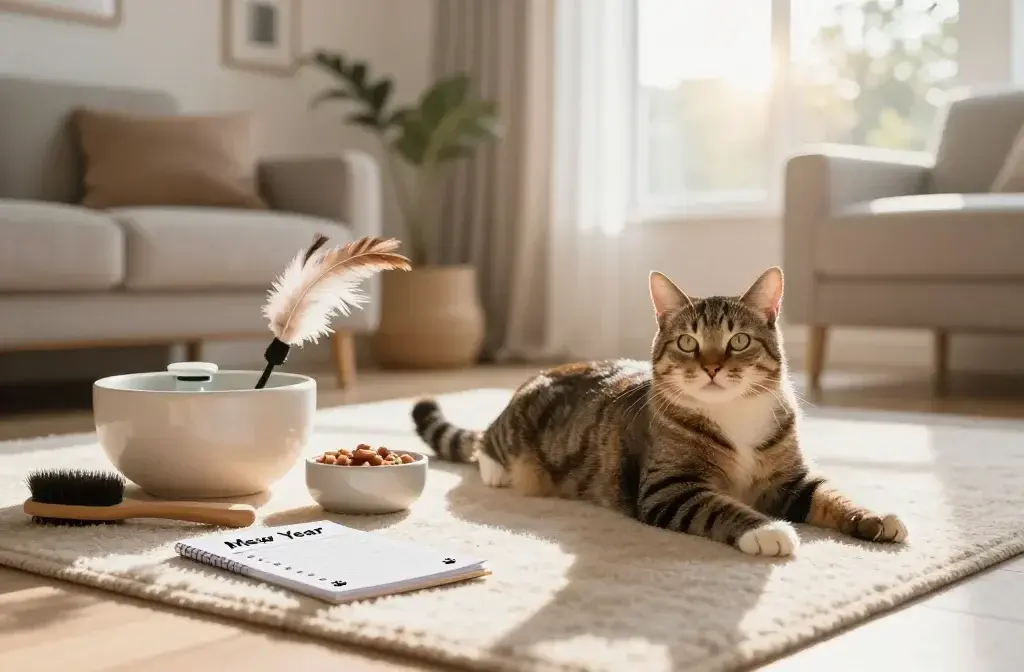
Your cat doesn’t know the calendar flipped—but you do. So why not make this “Mew” Year count for the whiskered monarch of your couch kingdom? Set a few realistic intentions, build better habits, and watch your feline flourish. Let’s swap vague resolutions for playful, practical plans that actually make your cat healthier and happier.
Define the “Why” Behind Your Cat’s Mew Year
You want a healthier cat, sure—but what does that look like? More naps in sunny spots? Less vet drama? A smoother coat and fewer hairballs? Define success now so you know what to aim for.
- Pick 1–3 intentions max: longevity, weight goals, playtime consistency, confidence for shy cats—keep it focused.
- Make them measurable: “Play 10 minutes daily,” “Brush 3x/week,” “Weekly weight check.”
- Set a vibe: Kind, curious, consistent. No guilt-tripping your fur boss—just better habits.
Nutrition Upgrades Without the Drama

Food fuels health, mood, and litter box success. You don’t need a PhD in feline nutrition to level up—just a plan.
Build a bowl that works
- Prioritize protein: Cats are obligate carnivores. Look for named animal proteins (chicken, turkey, salmon) at the top of the ingredient list.
- Wet food = hydration hero: Add at least one wet meal daily. It helps kidneys and can keep weight stable.
- Portion with purpose: Use your cat’s ideal weight to calculate calories. FYI, many cats eat more than they need.
- Transition slowly: Mix new food over 7–10 days to avoid tummy rebellions.
Snacks without backsliding
- Use treats for training or enrichment, not as apology bribes (we’ve all done it).
- Cap treats around 10% of daily calories.
- Try high-value options: freeze-dried meat, lickable tubes, or tiny flakes of plain cooked chicken.
Play Like You Mean It
Bored cats act out. They pester, overgroom, or redecorate your sofa with their claws. A daily play ritual resets their brain and burns energy.
Your 10-minute blueprint
- Hunt sequence: stalk → chase → catch → “kill” → eat. End with a small snack to complete the cycle.
- Rotate toys: wand toys, kickers, puzzle feeders, laser pointers (finish with a catchable toy).
- Vary the time: Schedule two short sessions—morning chaos and pre-bed zoomies.
Solo play setups
- Hide treats in snuffle mats or puzzle toys—make your cat work that brain.
- Use motion toys sparingly. Cats outsmart them fast, and IMO nothing beats you wielding a feather wand.
- DIY wins: cardboard boxes, paper bags (handles removed), and ping-pong balls.
Weight, Mobility, and “Zoomer” Energy at Any Age

Extra fluff looks cute. Extra weight doesn’t feel cute. It strains joints and shortens lifespans. The fix: tiny, consistent changes.
Check the basics
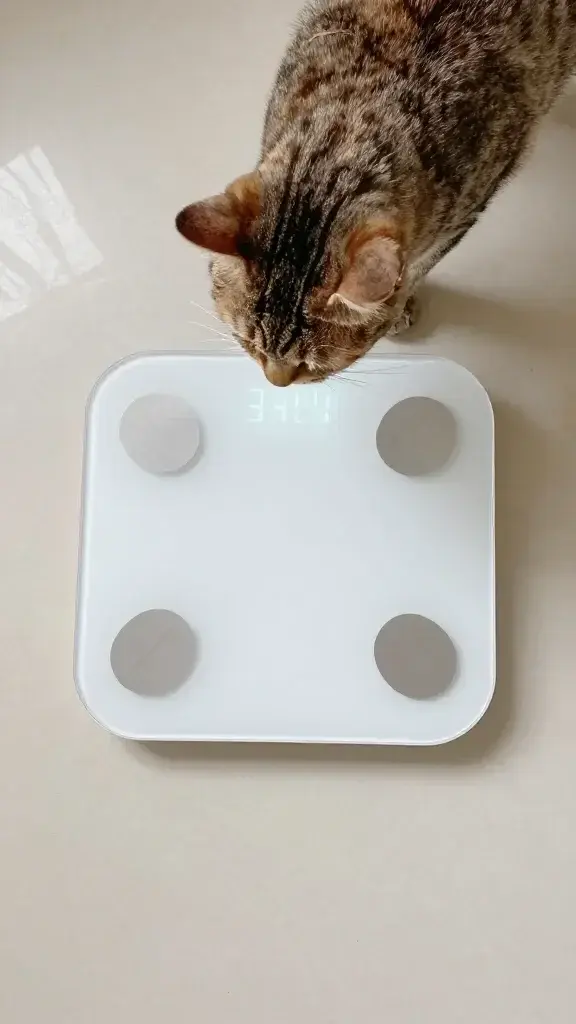
- Weigh weekly by holding your cat on a scale, subtract your weight. Track in your notes app.
- Measure meals with a scoop or kitchen scale—no eyeballing.
- Feed in micro-meals if your cat begs a lot. Small portions spread through the day calm the drama.
Support those joints
- Vertical space: Add steps or shelves to reduce big jumps.
- Comfy beds: Orthopedic or heated pads for older cats. Warmth = less stiffness.
- Supplements (ask your vet): omega-3s from fish oil, joint support like glucosamine/chondroitin.
Grooming: The Spa Day They Pretend to Hate
Grooming isn’t vanity—it’s health care. Less shedding, fewer hairballs, and easier vet visits. Plus, the bonding is chef’s kiss.
Build a no-drama routine
- Short sessions: 2–5 minutes, 3–4 times a week. Stop before your cat quits you.
- Right tools: A soft slicker for most, a metal comb for long-hairs, grooming gloves for nervous newbies.
- Reward immediately: Treats and praise like your cat just won an Oscar.
Nail trims without the wrestling match
- Touch paws gently during cuddle time; treat after each touch.
- Trim 1–2 claws per day at first. Slow equals success.
- Use sharp, cat-sized clippers. If you see pink (the quick), stop and snack-break.
Enrichment: Upgrade Their World, Not Just Their Food Bowl
Your cat’s environment shapes their mood. No fun zones = mischief and meltdowns. Good news: enrichment doesn’t need to be pricey.
- Vertical territory: Cat trees, window perches, shelves. Multiple routes = fewer turf wars.
- Scratching options: Horizontal and vertical posts. Place near sleeping spots and doorways.
- Views and vibes: Bird feeders outside a safe window perch. Rotate boxes and toys weekly for “newness.”
- Litter box zen: 1 box per cat + 1 extra, low-traffic spots, scoop daily. Litter drama = instant protests.
Confidence building for shy or spicy cats
- Play first, pet later. Movement drains anxiety.
- Let them choose contact. Consent-based cuddles win trust faster.
- Use pheromone diffusers in high-stress areas. They help some cats chill, IMO worth a try.
Preventive Care: Future You Will Thank You
Vet visits don’t spark joy, but they save lives. Routine care beats midnight emergencies, every time.
- Annual exams (semiannual for seniors): catch kidney disease, dental trouble, or weight creep early.
- Dental care: Brushing 3–4x/week is gold. If that’s a no from your cat, use dental gels, water additives, or vet cleanings.
- Parasite control: Flea, tick, and heartworm protection—indoor cats need it too, FYI.
- Microchip and ID: Collars with breakaway clasps + up-to-date chip registry. Even window sitters make escape plans.
Make It Stick: Routines You’ll Actually Keep
Intentions turn into habits when you make them easy and visible.
- Bundle tasks: Play after coffee. Brush before Netflix. Scoop before bed. Tie cat care to existing habits.
- Use cues: Leave the wand toy by the kettle. Keep the brush near the couch. You’ll remember because it’s right there.
- Track lightly: A simple checklist—play, brush, weigh, meds. Stick it on the fridge. Gold stars optional but encouraged.
- Adjust monthly: If a plan flops, tweak it. No shame. Your cat will not hold a grudge (probably).
FAQ
How much should I feed my cat each day?
Start with the feeding guide on your food bag for your cat’s ideal weight, not current weight. Then adjust every 1–2 weeks based on body condition and weekly weigh-ins. If you can feel ribs with a light touch and see a slight waist from above, you’re on track.
What if my cat refuses new food?
Go slow. Mix 10–20% new with old and increase every few days. Warm the food slightly, add a spoon of tuna water, or try a topper like freeze-dried crumbles. If your cat stops eating entirely for 24 hours, call your vet—cats can’t fast safely for long.
How long should I play with my cat each day?
Aim for two sessions of 5–10 minutes. Follow the hunt sequence: stalk, chase, catch, then a snack. High-energy kittens might need more, while seniors still benefit from gentle wand play or food puzzles.
Do indoor cats still need vet checkups and parasite prevention?
Yes. Indoor cats can still get dental disease, obesity, urinary issues, and parasites that hitchhike in on shoes or other pets. Annual wellness exams, vaccines as recommended, and flea/heartworm prevention keep them safer and comfier.
How do I help a stressed or skittish cat?
Create safe zones with vertical perches and hideaways, keep a predictable routine, and use consent-based handling. Short, positive play sessions and treat-based counterconditioning work wonders. Pheromones and a vet check for pain or anxiety also help.
What’s the best litter box setup?
Use one box per cat plus one extra, in quiet, accessible locations. Choose a large, uncovered box with clumping litter and scoop daily. If your cat avoids the box, rule out medical issues first, then adjust location, litter type, or box size.
Conclusion
You don’t need a full lifestyle makeover to give your cat a brilliant Mew Year—just small, steady upgrades. Feed smarter, play daily, groom consistently, and keep the environment enriching. Do that, and you’ll see a happier cat, a cleaner home, and fewer “surprise” vet bills. Honestly? That’s a resolution worth keeping, for both of you.