Anxious kitty pacing the hallway at 3 a.m.? Senior cat giving you the “I hurt” eyes after a jump off the couch? You’re not alone. Lots of cat parents look at CBD oil and wonder if it’s legit or just trendy snake oil. Let’s break down what we actually know—no fluff, no hype, just straight talk and a few jokes to keep us awake.
What CBD Is (and What It Definitely Isn’t)
CBD (cannabidiol) comes from hemp. It won’t get your cat high, and it won’t turn your living room into a reggae concert. THC does that—keep THC away from cats, full stop.
CBD interacts with the endocannabinoid system (ECS), a network that helps regulate pain, mood, and inflammation. Cats have an ECS too (who knew?), so CBD can potentially influence how they feel and respond to stress or discomfort.
The Evidence: Anxiety and Pain in Cats
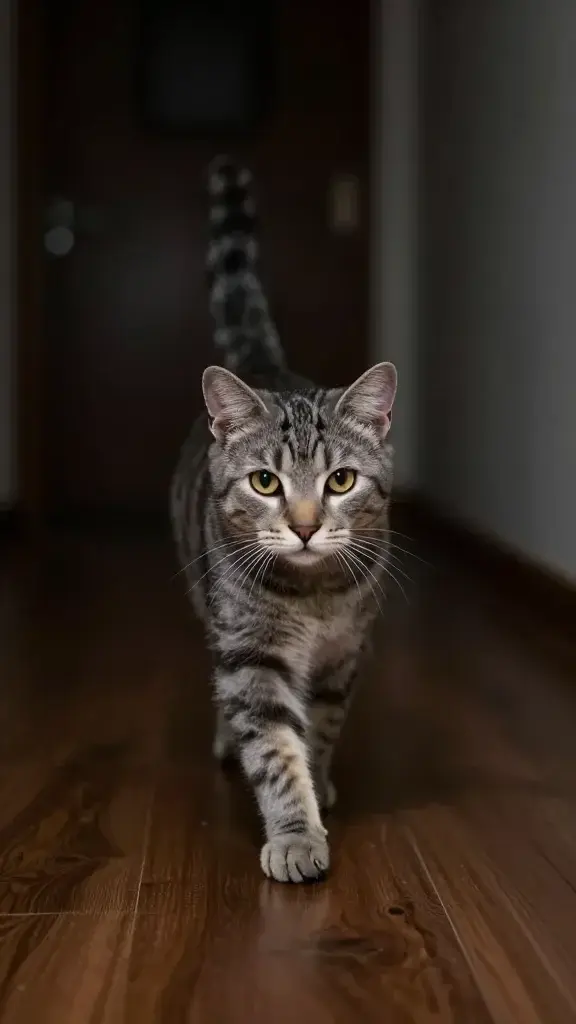
Here’s the tricky part: we have limited cat-specific clinical research. Most data comes from:
- Small feline studies and case reports
- Decent dog studies (more funding, more data)
- Basic science on the ECS and inflammation
So, does CBD help? For some cats, yes—especially with mild anxiety and chronic pain from arthritis. But results vary, and not every cat turns into a Zen master. IMO, think “promising supportive option,” not “miracle cure.”
What the Stronger Evidence Says (Mostly from Dogs)
– Pain/arthritis: Multiple dog studies show improved mobility and comfort with CBD, especially at around 2 mg/kg twice daily. Cats metabolize drugs differently, but this hints at potential benefits for feline arthritis.
– Anxiety: Evidence looks mixed. Some animals chill out. Others? Meh. Environment and behavior training still matter a lot.
Cat-Specific Notes
– A small feline study showed cats tolerated hemp-derived CBD reasonably well but absorbed it differently than dogs (higher variability).
– Some cats showed sedation or mild gastrointestinal upset. Dosing low and slow helps.
When CBD Might Make Sense
You want to be strategic here. CBD can play a supporting role for:
- Situational anxiety: vet visits, nail trims, travel, new roommates (human or furry).
- Chronic pain: arthritis in older cats who hate stairs now.
- Inflammation-related issues: adjunct to your vet’s plan for things like stomatitis or IBD, FYI—never DIY those.
If your cat deals with severe anxiety, aggression, seizures, or acute pain, talk to your vet first. CBD won’t replace proper meds or behavior work. It’s a tool, not the whole toolbox.
How to Choose a Safe CBD Oil for Cats

The pet CBD market can feel like the Wild West with prettier labels. Protect your whiskered friend:
- Certificate of Analysis (COA): Non-negotiable. It should show CBD/THC levels and proof it’s free of pesticides, heavy metals, and solvents.
- Cat-friendly formula: Avoid xylitol, artificial flavors, and essential oils like tea tree. Choose a simple MCT or salmon oil base.
- Hemp-derived, not marijuana-derived: Keep THC extremely low (ideally <0.3%). Cats are sensitive to THC—don’t risk it.
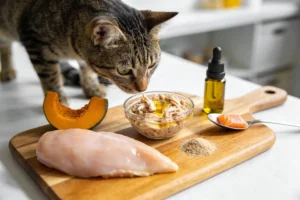
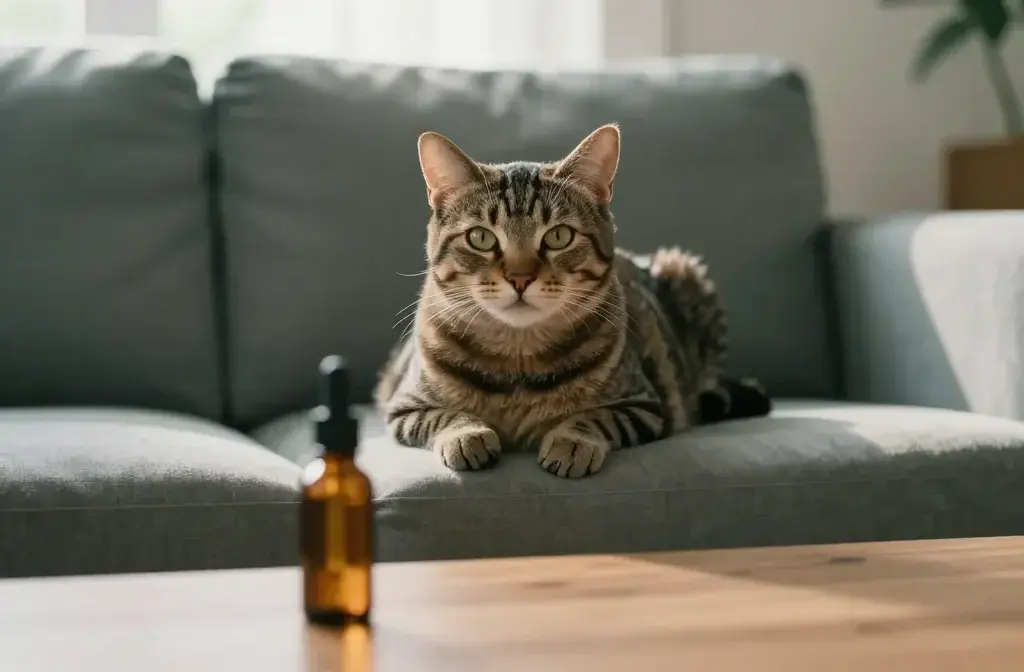
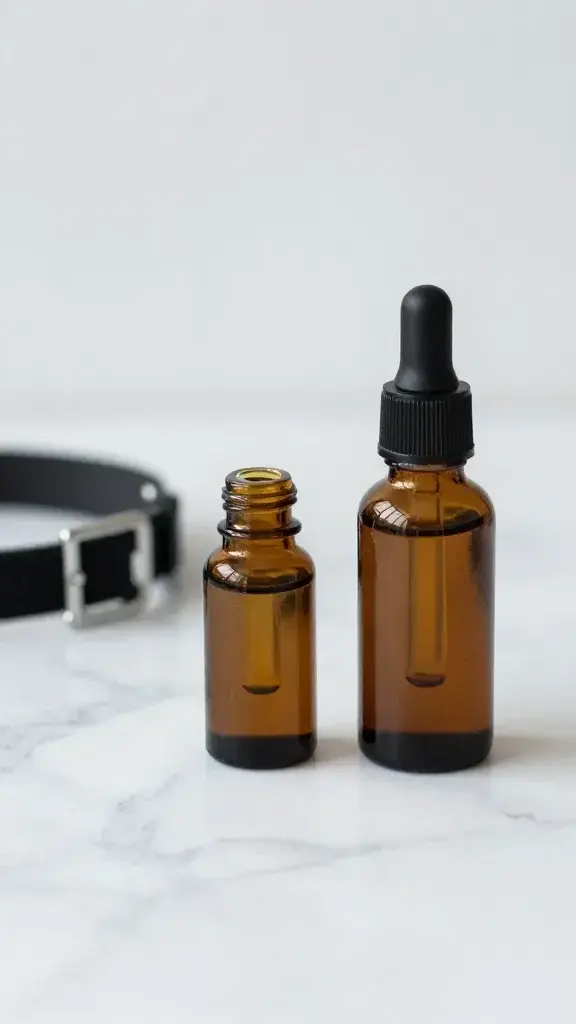
- Consistent dosing dropper: You’ll need precise drops for tiny feline doses.
- Reputable brand: Look for transparent testing, vet backing, and clear dosing guides.
Full-Spectrum vs Broad-Spectrum vs Isolate
– Full-spectrum: Contains tiny amounts of other cannabinoids and terpenes. Some believe they enhance effects (the “entourage effect”). Risk: trace THC.
– Broad-spectrum: Similar, but THC removed—often a sweet spot for cats.
– Isolate: Pure CBD. Predictable, but may need higher doses for effect. Good for ultra-sensitive cats.
Dosing: Start Low, Go Slow (Seriously, Slow)
Cats are tiny monarchs with powerful livers. Ease in. General starting guidance many vets use:
- Start: 0.1–0.2 mg CBD per kg body weight, once daily
- Increase gradually every 3–7 days based on response
- Max typical range: 0.5–1 mg/kg twice daily for pain. Some cats need less.
Example: 10 lb cat (~4.5 kg)
- Start ~0.5–1 mg CBD once daily
- Titrate up slowly to 2–4 mg twice daily if needed and tolerated
Give it with food for better tolerance. Track changes in a quick log: activity, appetite, grooming, litter habits, mood. You’re basically running a tiny, adorable clinical trial at home.
Timing Tips
– For situational anxiety: give 1–2 hours before the event.
– For chronic pain: split into morning and evening doses for steadier levels.
Side Effects and When to Hit Pause
Most cats handle CBD fine, but watch for:
- Sleepiness or “spaced out” vibe
- Soft stool or vomiting
- Reduced appetite
- Ataxia (wobbly walking) if too much or if THC contamination
If you see these, reduce the dose or stop and call your vet. Also, FYI, CBD can interact with liver enzymes (CYP450), which may affect other meds.
Medication Interactions to Flag with Your Vet
– Seizure meds (e.g., phenobarbital)
– NSAIDs/opioids
– Steroids
– Heart or thyroid meds
– Any drug with “narrow therapeutic window.” Your vet can monitor liver values if long-term CBD makes sense.
What Success Looks Like (and What It Doesn’t)
Success won’t look like a total personality transplant. Think small wins:
- Less pacing or hiding during storms
- Smoother jumps, fewer “ouch” landings
- More grooming, better mood, slightly more play
If nothing changes after 2–4 weeks at a reasonable dose, it might not be your cat’s thing. Switch strategies—IMO, no supplement deserves unlimited chances.
FAQs
Can CBD get my cat high?
No—CBD itself won’t. But products with THC can. Always use hemp-derived, cat-safe formulas with verified low-to-zero THC. If your cat seems disoriented, hypersensitive to touch, or wobbly after dosing, stop and call your vet.
How long until I see results?
For anxiety, you might see subtle changes within hours for situational use. For chronic pain, give it 1–2 weeks of consistent dosing. Track behavior—your memory lies when your cat gives you the judgy stare.
Is CBD legal for pets?
Hemp-derived CBD sits in a gray zone but is widely available. Vets’ ability to discuss or recommend it varies by region. Most can at least talk safety and interactions. Ask—your vet won’t bite.
Can I give my cat my own CBD oil?
Not a great idea. Human products may contain flavorings, sweeteners (xylitol = dangerous), or higher THC. Use pet-specific products with a COA and clear dosing.
Will CBD replace pain meds or anti-anxiety drugs?
Usually no. It can help you lower doses or fill gaps, but severe pain or big-league anxiety needs a full plan: meds, environment changes, and behavior support. CBD works best as part of a team.
What form works best—oil, treats, or capsules?
Oils win for precision and flexibility. Treats can work if reliable and your cat actually eats them (cats, amirite?). Capsules are fine for pros who can pill without losing blood.
Bottom Line: Worth Trying, With Smart Guardrails
CBD for cats isn’t a miracle, but it’s not hype either. The evidence for anxiety and pain stands as “promising but still developing,” with more confidence on pain support than anxiety. If you choose to try it, use a vetted product, start low and go slow, and loop in your vet—especially if your cat takes other meds. Keep expectations reasonable, keep notes, and let your cat’s behavior judge the results. And hey, if it helps your old floof hop onto the couch with a little less creak? That’s a win in my book, FYI.