
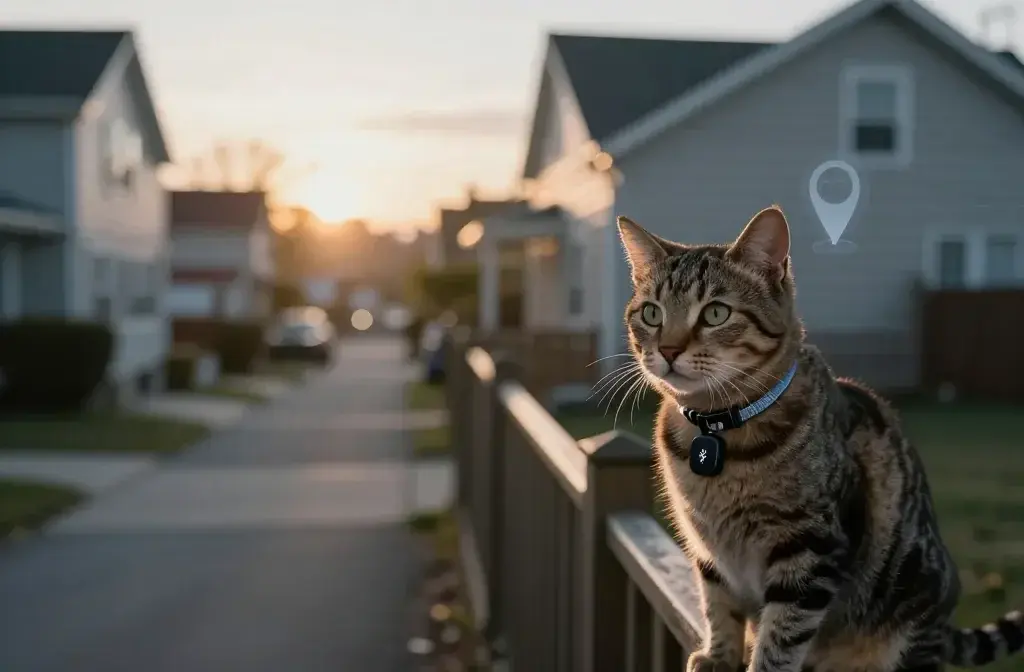
Your cat doesn’t text when it’s late. It doesn’t share its location. It doesn’t care about your blood pressure. So when Whiskers pulls a Houdini and disappears, tracking devices start to sound very smart. But do GPS or Bluetooth trackers actually help you find your cat—or just your wallet’s weak spot?
What “Cat Trackers” Really Do (And Don’t)
Let’s clear this up fast. A tracker won’t stop your cat from sneaking under the neighbor’s deck. It won’t train them to come when called. It won’t tell you why they stare into empty corners at 3 a.m.
What it can do: help you locate your cat faster and reduce those horrible “where are you?!” hours. Some even monitor activity so you can spot health changes. Think of trackers as cat insurance for your sanity—not a force field.
GPS vs. Bluetooth: What’s the Actual Difference?

Both sound techy, but they work very differently. Here’s the short version:
- GPS Trackers: Use satellites + cellular networks to pinpoint your cat’s location on a map. Excellent range, works almost anywhere with cell coverage. Usually bulkier and often need a monthly subscription.
- Bluetooth Trackers: Think AirTag or Tile. They don’t have GPS. They ping off nearby phones via a crowd-finding network. Tiny, lightweight, inexpensive, and no subscription—but range depends on people being nearby.
When GPS Wins
– Your cat roams far or slips out a lot
– You live near fields, woods, or low-traffic areas
– You want real-time location updates, geofences, and history trails
When Bluetooth Wins
– Your cat is mostly indoors and just hides in ridiculous places
– You live in a dense area with lots of phones around
– You want a super lightweight tag and don’t need a subscription
What Matters Most for Indoor vs. Outdoor Cats
Let’s tailor it to your feline’s lifestyle.
Indoor-Only Cats
If your cat stays inside, you mainly need help finding them when they vanish into a mattress, crawlspace, or the one cabinet you’d swear was closed. Bluetooth tags shine here. They’re tiny, cheap, and you can ring them like a phone. GPS is overkill unless your cat pulls jailbreaks.
Indoor/Outdoor Cats
Now you want a tracker that works even if your cat travels a few blocks. GPS is your friend for reliable, map-based locating. You can set safe zones and get alerted when your cat leaves. The slight bulkiness? Worth it if your cat wanders.
Outdoor Adventurers
Cats who treat dawn like their shift start time need GPS with live tracking. Look for rugged, waterproof models with solid battery life. You’ll get location history, too—FYI, many cats have secret side gigs visiting multiple porches. Prepare to meet their other family.
Key Features You Should Actually Care About
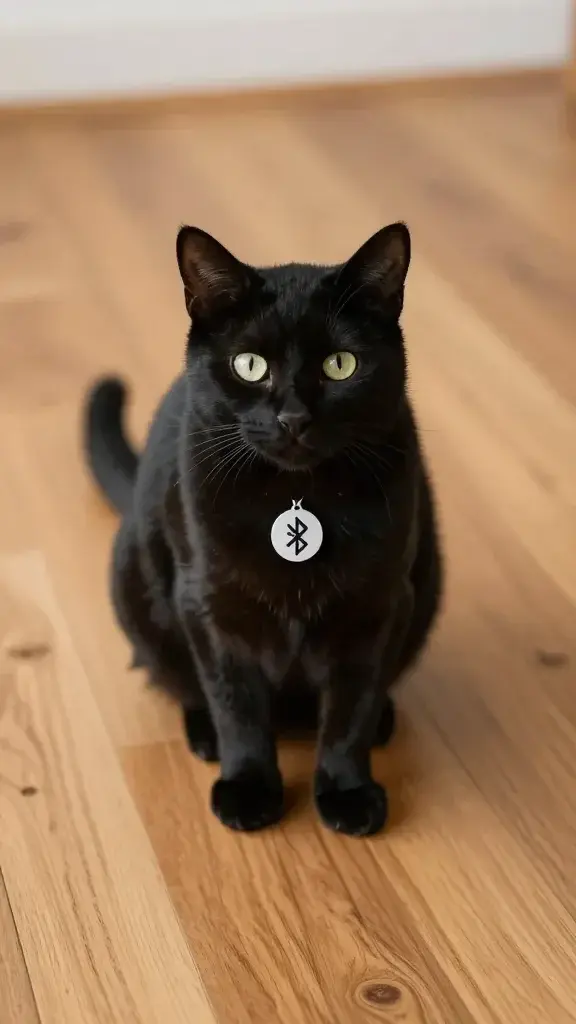
Ignore the flashy buzzwords. Focus on how you’ll use this thing at 9 p.m. in slippers.
- Battery life: Aim for 3–7 days for GPS, months for Bluetooth. Longer battery = fewer “oops it died” moments.
- Size and weight: Keep it under ~30 g for GPS; Bluetooth tags are ~10 g or less. Your cat should move normally.
- Attachment: Breakaway collars only. Make sure the mount holds up to zoomies and fence acrobatics.
- Water resistance: Puddles happen. So do sudden cloudbursts and irresponsible birdbaths.
- Real-time tracking (GPS): Updates every 5–30 seconds while live tracking. Faster costs more battery.
- Geofencing (GPS): Alerts when your cat leaves home base. Super handy for indoor/outdoor cats.
- Crowd network size (Bluetooth): AirTag’s Apple network is huge; Tile is decent in cities.
Costs: The Real Talk
You want to know what you’ll pay—fair.
- GPS trackers: $40–$150 upfront + $5–$15/month subscription for cellular data. You pay for real-time location and a dedicated app.
- Bluetooth trackers: $20–$40 one-time. No subscription. Replace the battery every ~1 year.
- Collars/mounts: $10–$30 for a sturdy, breakaway setup. Don’t skimp here.
IMO, if your cat goes outside regularly, the GPS sub is worth the peace of mind. If your cat is a floor-potato who occasionally vanishes behind the dryer, Bluetooth wins easily.
How Well Do They Actually Work? (Expectations vs. Reality)
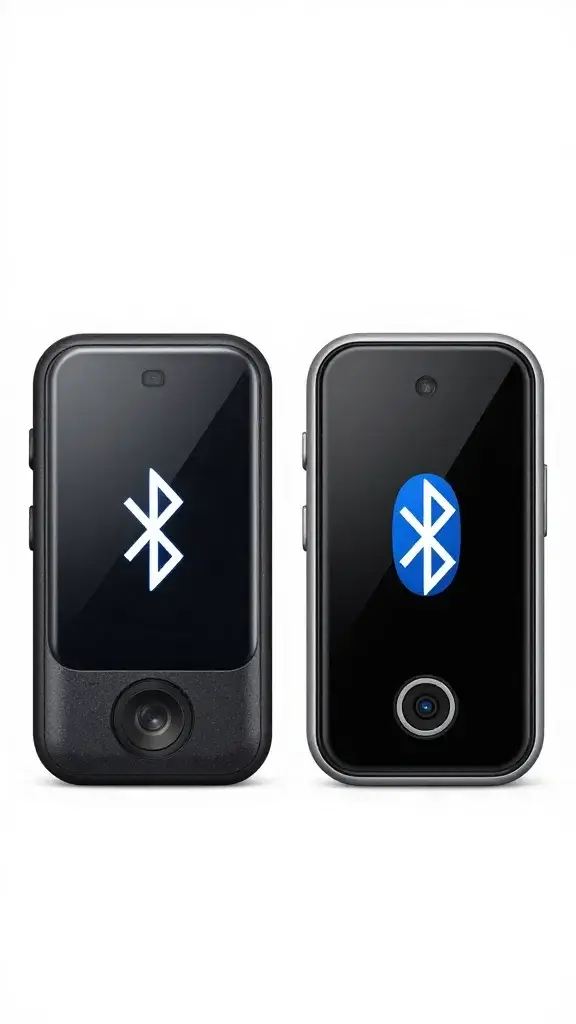
GPS pros: You can see your cat on a map, even a few blocks away. Live mode lets you follow. Great in parks, suburbs, rural-ish neighborhoods with decent cell coverage.
GPS cons: Heavier, pricier, and signal can struggle indoors, under decks, in basements, or dense urban canyons. Battery drains faster if you constantly track.
Bluetooth pros: Tiny, cheap, long battery. You can “ring” it and use precise finding when you’re nearby (especially with newer phones). Great for apartments and neighborhoods with lots of people.
Bluetooth cons: If your cat vanishes to a quiet area with few phones around, crowd-finding might lag or not trigger at all. No live map tracking, just “last seen near X.”
Real-World Scenarios
– Cat slips outside in a suburban area: GPS finds them in shrubs two blocks away.
– Cat hides in the house after the vacuum roars: Bluetooth tag beeps; you zero in to the closet like a CSI episode.
– Cat roams fields behind your house: GPS or bust. Bluetooth won’t help until someone walks past.
Safety and Comfort: Don’t Skip This
Your cat’s comfort matters more than features. If the tag annoys them, they’ll ditch it in a hedge. Or under the couch. Forever.
- Use a breakaway collar to prevent snags. Non-negotiable.
- Balance weight in the front of the collar so it doesn’t flop into food bowls.
- Test indoors for a few days. Watch for scratching, rubbing, or weird gait.
- Add an ID tag and microchip. Trackers help, but physical ID speeds reunions.
Privacy FYI
With Bluetooth crowd-finding (especially AirTags), you may get anti-stalking alerts. That’s normal. Make sure the tag is registered to you and your phone. If a neighbor keeps getting alerts, you might be too close too often—consider GPS instead.
Top Picks by Situation (No Brand Worship, Just Vibes)
– Best for indoor-only cats: A Bluetooth tag (AirTag if you’re in the Apple ecosystem; Tile if you’re cross-platform). Easy, tiny, cheap.
– Best for indoor/outdoor roamers: A lightweight GPS tracker with solid battery and a snug collar mount. Prioritize coverage and geofencing.
– Best for escape artists: GPS with live tracking and fast refresh. Accept the subscription; it’s your “oh no” fund.
– Budget-friendly peace of mind: Bluetooth tag now, upgrade to GPS if your cat starts testing property lines.
FAQs
Can I use an AirTag to track my outdoor cat?
You can, and many people do. It works surprisingly well in dense neighborhoods because of Apple’s massive network. But it won’t give true real-time tracking or map routes. For regular outdoor adventurers, GPS still performs better.
Do trackers bother cats or cause injuries?
Most cats tolerate small tags after a short adjustment. Use a breakaway collar to prevent snags and keep the tag’s weight front-loaded so it doesn’t dangle under the chin. If your cat obsessively scratches or the collar pops off constantly, switch mounts or go lighter.
How accurate are GPS trackers for cats?
Accuracy ranges from a few feet to a few dozen feet depending on coverage, trees, buildings, and weather. In live mode, expect more precise updates but faster battery drain. Indoors or under decks, GPS accuracy drops; you may need to search visually once you’re close.
Will Bluetooth trackers work if my cat wanders into the woods?
Probably not well. Bluetooth relies on nearby phones to report location. No people = no updates. If your cat hits trails or fields, you’ll want GPS.
Are subscriptions really necessary for GPS trackers?
Usually, yes. They cover cellular data and cloud features like geofencing and history. Some brands offer yearly discounts. If you hate subscriptions, you might prefer Bluetooth—just know the limitations.
What about battery life—how often will I charge it?
Bluetooth tags often last months on a coin cell battery. GPS trackers range from a couple of days to a week depending on size, settings, and how much you use live tracking. Many people charge GPS trackers when they charge their phone at night every few days, FYI.
So… Are Cat Trackers Worth It?
If your cat never leaves the living room, a Bluetooth tag is a fun quality-of-life upgrade. If your cat goes outside—or even thinks about going outside—a GPS tracker earns its keep. It shortens panic time, helps you find a hiding spot faster, and tells you whether your cat’s “patrol route” includes the neighbor’s roast chicken night.
IMO, you’ll get the most peace of mind from GPS for outdoor cats and from Bluetooth for indoor cats. Add a breakaway collar, microchip your fluff, and set realistic expectations. A tracker won’t make your cat responsible, but it will make you a lot calmer when curiosity strikes—again.