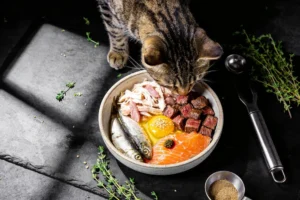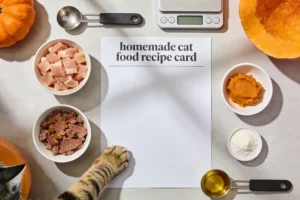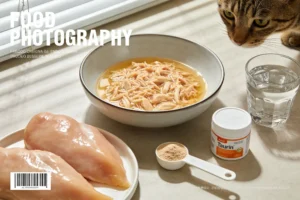
Your cat isn’t a tiny vegan. They’re a stealthy little carnivore who needs protein—lots of it. If your kitty turns into a zooming goblin at 3 a.m., they’re burning fuel that low-protein foods won’t cover.
High-protein cat food can mean shinier coats, steadier energy, and fewer mid-day snack raids. Let’s get your fur missile the good stuff.
Why Protein Matters (Like, A Lot)

Protein fuels your cat’s muscles, immune system, and skin health. Cats evolved to get most of their calories from animal protein and fat, not carbs.
So when you see foods packed with fillers? Hard pass. Look for dry foods with at least 35-40% protein and wet foods with protein in the top ingredients and under 10% carbs (dry matter). Kittens, active cats, and underweight seniors usually need more protein than couch-potato loafs.
How to Read the Label Without Crying
Cat food labels can feel like a trick exam. Here’s a quick decoder so you can shop with confidence.
- First ingredients should be animal-based: chicken, turkey, salmon, beef, rabbit, etc. “Meal” (like chicken meal) is fine—it’s concentrated protein.
- Avoid vague phrases: “meat by-product” can be okay but “animal digest” or “poultry by-product” as the main protein?Meh.
- Check guaranteed analysis: aim for high protein, moderate fat, and low fiber (under 4% for most cats).
- Carbs stay low: brands rarely list carbs, so estimate by subtracting protein, fat, moisture, and ash from 100%. Under 10-12% (dry matter) is great.
- AAFCO statement: make sure it meets “complete and balanced” standards for your cat’s life stage.
Wet vs. Dry: Which Packs More Protein?
Wet food usually wins for protein density and hydration.
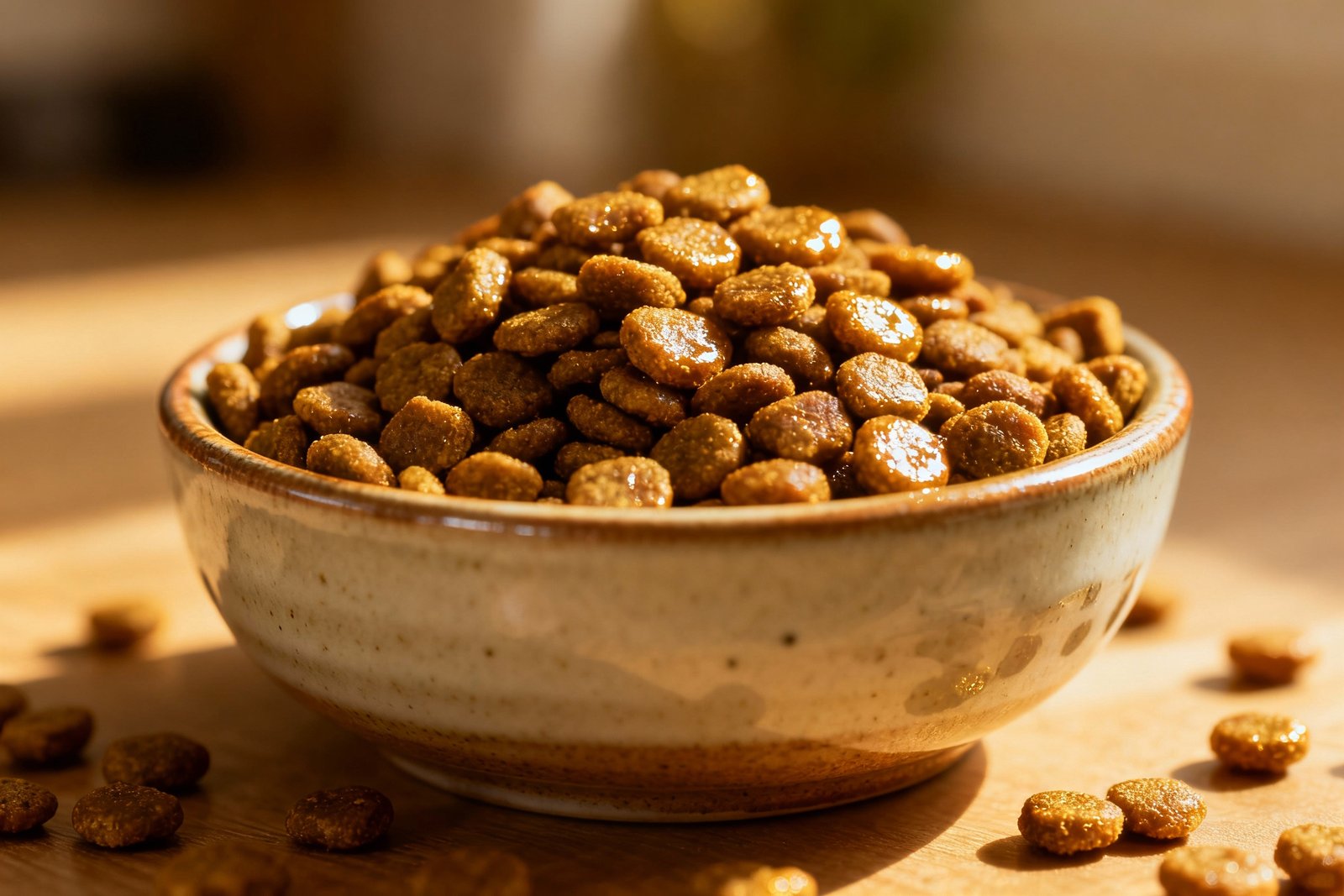
Dry food often carries more carbs, but some premium kibbles buck that trend. Many cats thrive on a combo: wet for moisture and protein punch, dry for crunchy variety and convenience.

Best High-Protein Cat Foods (IMO)
Not sponsored, just honest takes. Prices and availability vary, FYI.
Always transition slowly to avoid tummy drama.
Top High-Protein Wet Foods
- Tiki Cat After Dark – Shredded meats, organ meats, very low carb, super high protein. Great for picky eaters.
- Weruva Cats in the Kitchen – Brothy, lean, and clean labels. Often low-fat and low-carb.
- Feline Natural (canned) – Meat-forward, minimal fillers, excellent protein quality.
- Hound & Gatos – Simple recipes with single proteins.Easy on sensitive stomachs.
Top High-Protein Dry Foods
- Orijen Cat & Kitten – 40%+ protein, multiple animal proteins, lower carbs than typical kibble.
- Acana High-Protein – Slightly less intense than Orijen but still solid ingredients and protein.
- Dr. Elsey’s CleanProtein – Focuses on animal protein, low carb, good for carb-sensitive cats.
- Farmina N&D Grain-Free – High animal protein, good palatability, decent carb control.
Freeze-Dried Raw & Air-Dried Options
If you want ultra-high protein with minimal carbs:
- Ziwi Peak (air-dried) – Like jerky kibble. Very high protein and fat.
- Stella & Chewy’s (freeze-dried) – Add water for best results; cats love it.
- Primal (freeze-dried) – Great ingredient quality, easy to rehydrate.
Note: Raw-style foods can be rich.
Transition slowly, and rehydrate freeze-dried to protect kidneys.
How Much Protein Is “High” Anyway?
Percentages on the label can trick you because wet foods include water. Let’s keep it simple.
- Dry food: 35-45% protein = high. 30-34% = decent. Under 30% = meh for most adult cats.
- Wet food (dry matter): 50-65%+ = high.Many good cans land here.
Special Situations
- Senior cats: Contrary to old myths, many seniors need more protein to protect muscle mass. Ask your vet if kidney issues exist, but don’t cut protein blindly.
- Weight loss: High-protein, low-carb diets help cats burn fat while maintaining muscle. Wet food helps due to satiety and water content.
- Urinary health: Hydration matters more than protein.Wet food wins here. Add water or broth to dry if needed.

Ingredients That Actually Matter
Let’s separate marketing fluff from stuff your cat’s body wants.
- Animal proteins first: chicken, turkey, duck, rabbit, beef, fish, eggs.
- Organs: liver, heart—nutrient powerhouses.
- Healthy fats: fish oil or chicken fat for shiny coats and skin health.
- Minimal carbs: peas, potatoes, rice—fine in small amounts but not as main ingredients.
- No sketchy fillers: avoid lots of “plant protein” (pea protein, soy) bumping up protein numbers artificially.
What About By-Products?
Hot take: not all by-products are evil. Quality by-products can include organs that cats benefit from.
The issue? Vague labeling and inconsistency. If a brand lists “chicken by-product meal” but has a strong reputation and an AAFCO statement, it can be acceptable. If everything sounds like mystery meat, swipe left.
Transitioning Without the Drama
Cats protest change like tiny culinary critics. Move slowly over 7-10 days.
- Start with 75% old food, 25% new.
- Shift to 50/50 after 2-3 days if stools and appetite look normal.
- Then go 25/75, then 100% new by day 7-10.
If your cat refuses the food, try:
- Warming wet food slightly.
- Adding a splash of tuna water or low-sodium bone broth.
- Mixing a topper: freeze-dried crumbles work wonders.
Budget-Friendly High-Protein Moves
Cat food prices got you side-eyeing your bank account?
You still have options.
- Rotate brands to grab sales without sacrificing quality.
- Use wet as the base and a small amount of high-protein dry as a topper.
- Buy larger cans and portion with lids. Less packaging = better value.
- Compare protein per dollar, not just per bag. Sometimes pricier foods feed less per serving.
Red Flags That Scream “Nope”
Some labels try to dazzle while sneaking carbs and low-quality protein in. Watch for:
- Lots of plant proteins high in the list (pea protein, soy, wheat gluten) bumping the numbers.
- Multiple starches (peas, potatoes, lentils, rice) crowding out meat.
- Vague meat terms like “animal digest” or “meat flavor” doing the heavy lifting.
- No AAFCO statement or a “for intermittent feeding only” tag unless it’s a topper.
FAQ
Can high-protein food hurt my cat’s kidneys?
For healthy cats, high-protein diets don’t damage kidneys.
That myth won’t die. If your cat already has diagnosed kidney disease, your vet may recommend a specific therapeutic diet. Hydration matters more—wet food helps a lot.
Is grain-free automatically high protein?
Nope.
Grain-free can still pack peas and potatoes to the moon and back. Check the protein percentage and ingredient sources. Grain-free ≠ carb-free.
How do I know if my cat needs more protein?
Watch for dull coat, flaky skin, muscle loss along the spine/hips, lethargy, or constant hunger.
If you see these and the food runs low on protein, upgrading can help. Always rule out medical stuff with your vet.
What’s the ideal macronutrient split for cats?
For most adult cats: High protein, moderate fat, low carb. In practice, that often looks like 40-50% protein (dry matter), 30-45% fat, and under 10-12% carbs. Wet foods hit this easier than kibble.
Can I feed raw for maximum protein?
You can, but do it safely.
Commercial complete raw diets beat DIY guesswork. Handle properly, rehydrate freeze-dried, and transition slow. If raw stresses you out, choose high-protein wet or air-dried foods instead.
How fast will I see changes after switching?
Give it 2-4 weeks.
You’ll often see better stool quality, shinier coats, more stable energy, and maybe fewer snack-begging serenades. If things look worse, pivot—cats love to keep us humble.
Conclusion
High-protein cat food isn’t a trend—it’s cat biology. Prioritize animal protein, keep carbs in check, and pick formats your cat will actually eat.
Mix wet and dry if that fits your life. IMO, a little label literacy plus a slow transition turns feeding time from “meh” to “chef’s kiss.” Your tiny carnivore will thank you—with 3 a.m. sprints, obviously.