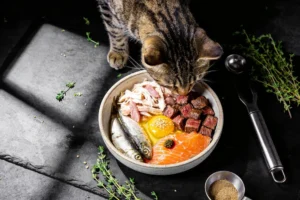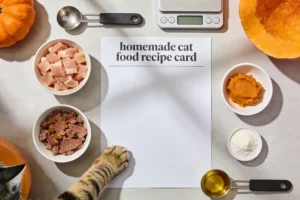
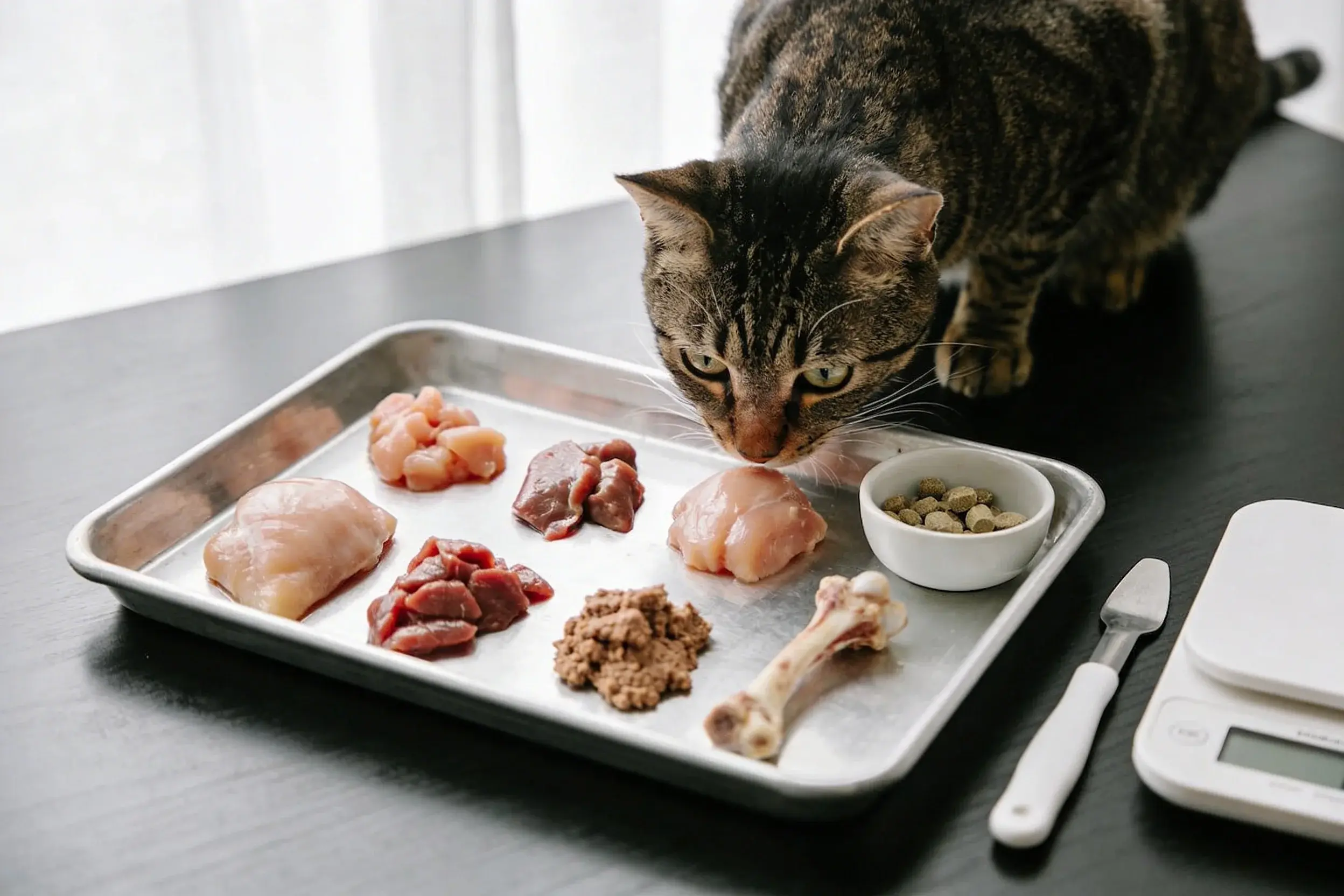
You want to feed your cat a raw diet, but the internet’s a minefield of confident opinions and sketchy recipes. Totally fair. Let’s cut the noise. Here’s what raw cat food really involves—benefits, risks, and exactly how to start without turning your kitchen into a feline food lab. Short version: it can work, but only if you do it right.
Why People Switch to Raw (and Why Cats Love It)
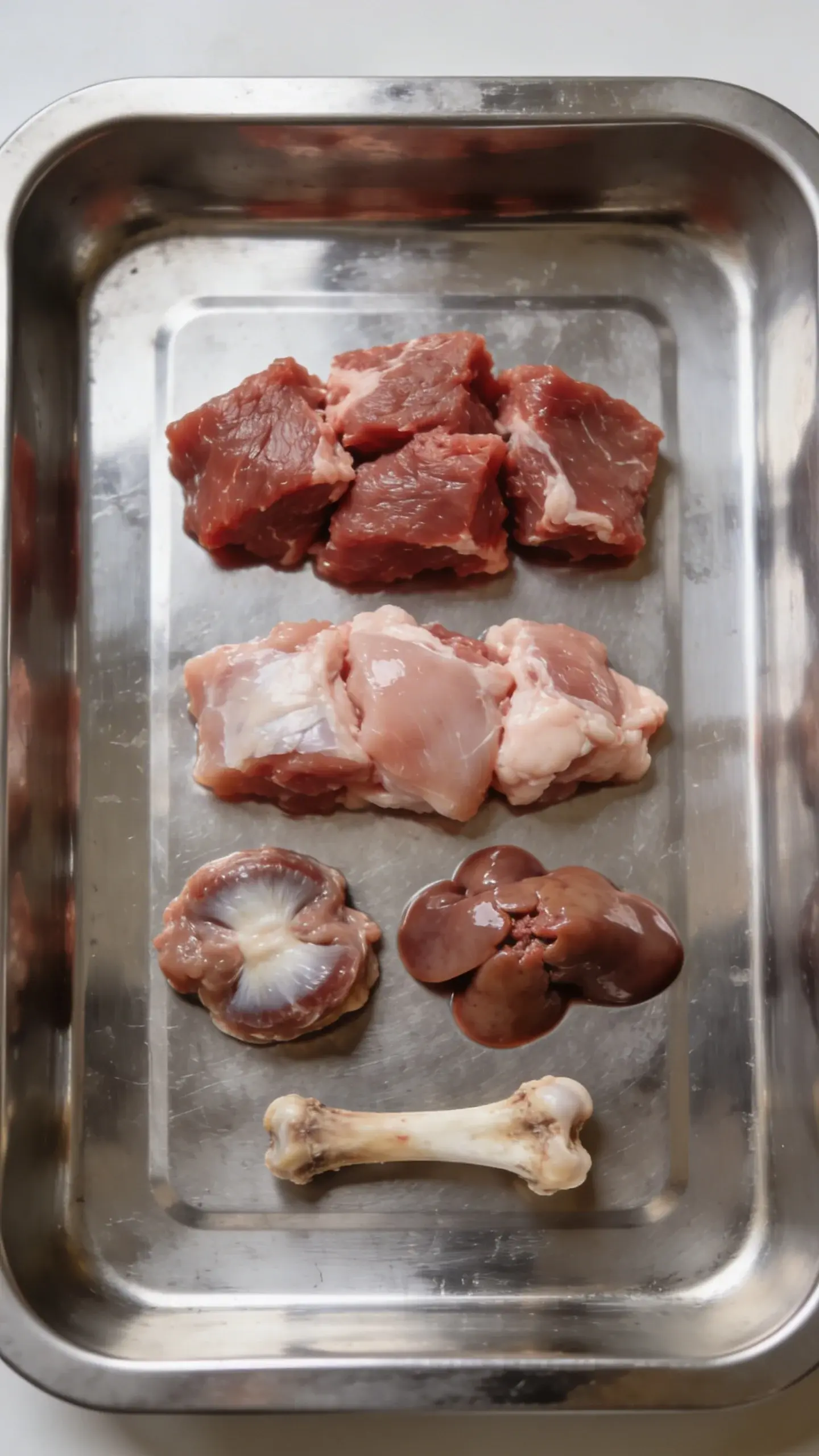
Raw diets mimic what cats eat in the wild: meat, bones, and organs. That means higher protein, fewer fillers, and fewer carbs. Many cat parents report shinier coats, less poop (you’re welcome), and better energy.
Key benefits people notice:
- Improved digestion – Smaller, less smelly stools.
- Healthier coat and skin – Glossy fur, less dandruff.
- Lean muscle – Protein powers cats; carbs don’t.
- Better hydration – Raw meat has moisture built in.
Does every cat become a glowing Instagram model? Not always. But a well-formulated raw diet can help a lot of common feline issues, IMO.
The Risks You Need to Respect (Not Fear)
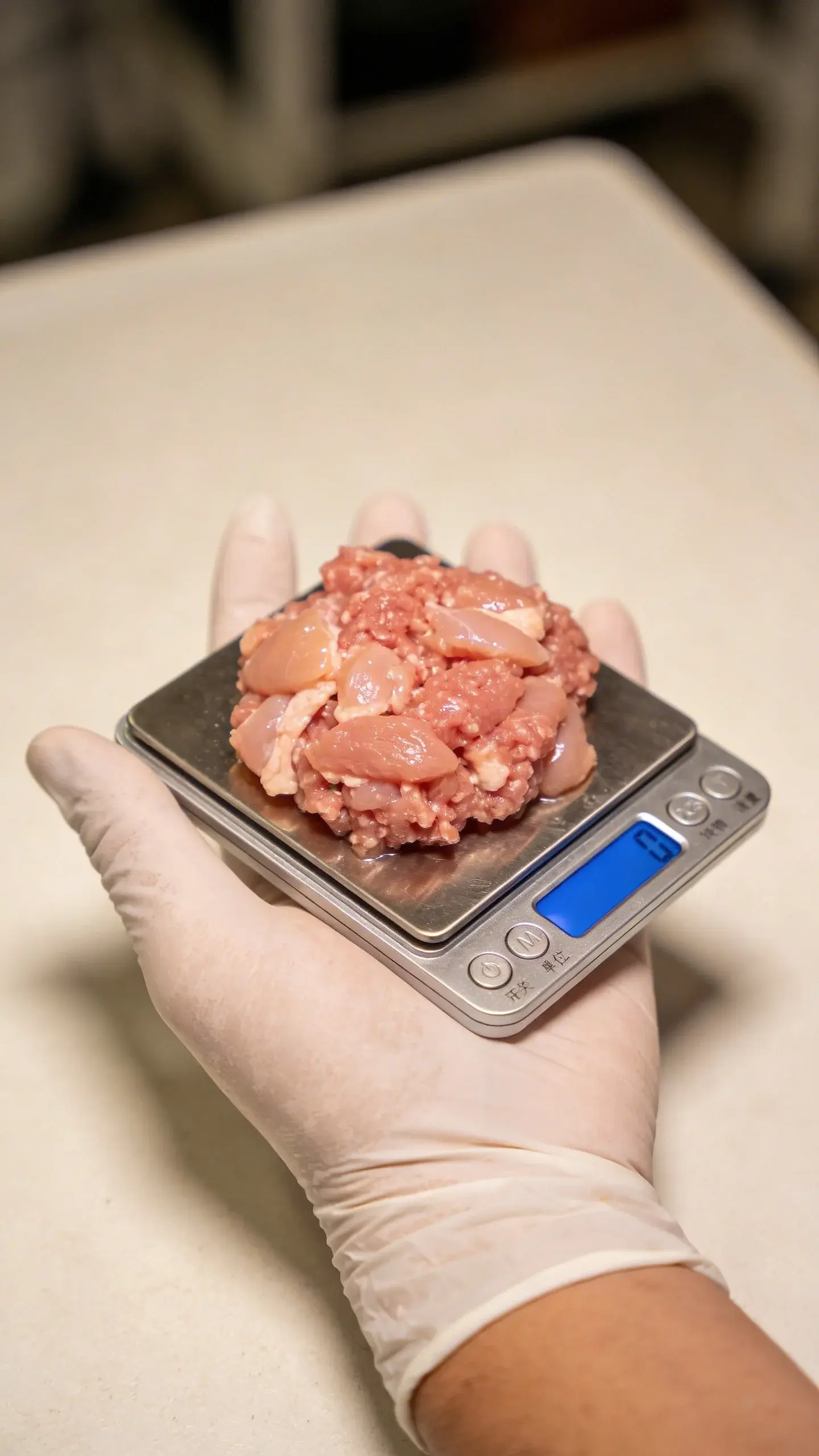
You can absolutely mess up a raw diet. Don’t panic—just learn the rules and stick to them.
Main risks to manage:
- Nutritional imbalance – Cats need precise taurine, calcium, phosphorus, vitamin A, and more. Guessing isn’t a plan.
- Pathogens – Salmonella and Campylobacter can show up in raw meat. Good sourcing and hygiene matter. A lot.
- Bone hazards – Whole cooked bones splinter. Raw bones can be fine if properly sized and ground. Skip weight-bearing bones from large animals.
- Transition stress – Sudden switches can cause tummy drama. Slow and steady wins the belly.
Who should avoid raw?
If your household includes immunocompromised people, young kids, or elderly family, consider cooked or commercial balanced foods. Also, cats with certain conditions (like kidney disease or pancreatitis) might need special diets—work with a vet who knows nutrition.
What a Balanced Raw Recipe Actually Looks Like
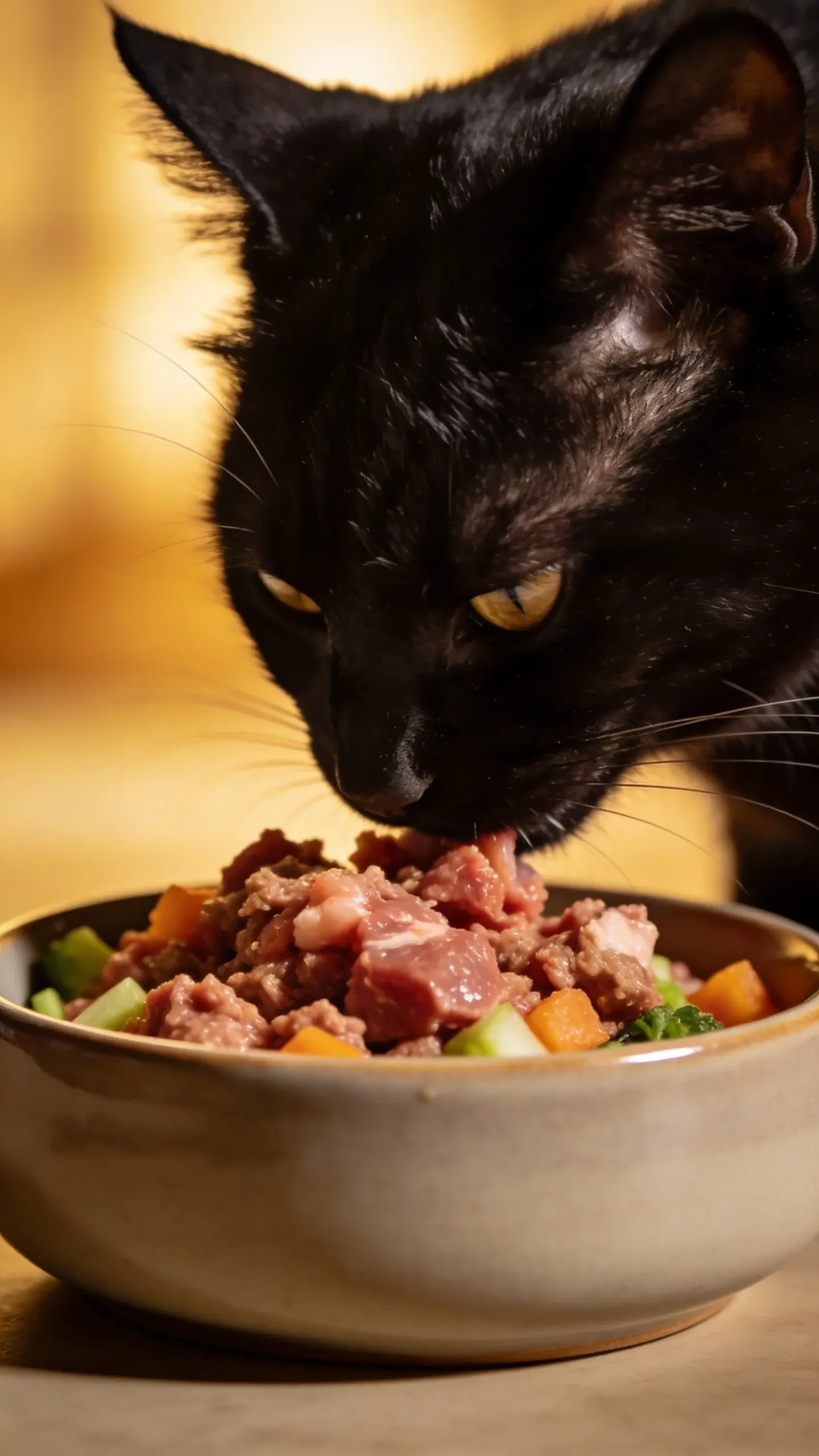
Raw isn’t just “meat.” Cats need a whole-prey profile: muscle meat, organs, and bone. If you leave out the bone or organs, your cat pays the price later.
Basic ratio (by weight), widely used:
- 70–80% muscle meat (including heart for taurine)
- 10% raw bone (often via ground bone or a calcium supplement)
- 5–10% liver
- 5% other secreting organ (kidney/spleen/pancreas)
Essential add-ons
- Taurine – Even with heart meat, add a taurine supplement. It’s cheap and crucial.
- Omega-3s – Add fish oil (EPA/DHA) to balance fatty acids.
- Vitamin E – Prevents fat rancidity issues when adding fish oil.
- Iodine – Usually from a tiny amount of kelp powder or a complete premix.
FYI: Using a trusted raw premix supplement designed for cats makes balancing way easier. It’s not “cheating,” it’s smart.
Two Starter-Friendly Raw Cat Food Recipes
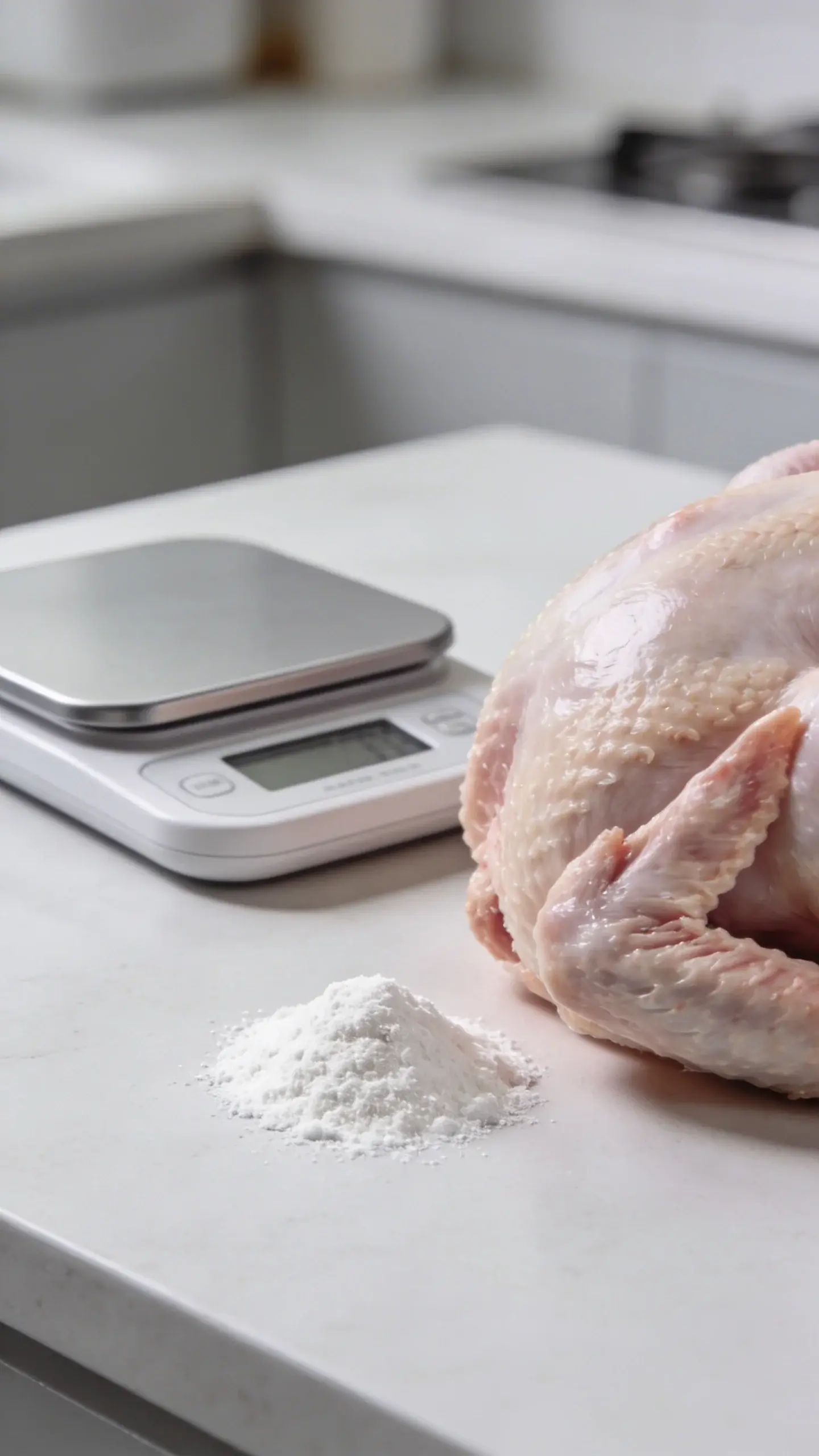
These are templates, not gospel. Always weigh ingredients with a scale, and adjust for your cat’s needs. Use fresh or frozen human-grade meat.
Recipe 1: Chicken/Turkey Grind (Balanced)
Great for beginners. Yields about 2 kg (4.4 lb) of food.
- 1,200 g boneless chicken or turkey thigh (skin-on)
- 400 g chicken hearts
- 200 g chicken liver
- 200 g other organ (kidney or spleen)
- 200 g raw meaty bone, ground (chicken necks/backs) OR 12 g eggshell powder (1 tsp per ~450 g meat as a ballpark)
- 2,000 mg taurine powder
- 4,000 mg fish oil (EPA/DHA), or as per label
- 400 IU vitamin E (as mixed tocopherols)
- Optional: 1 tsp kelp powder (adjust for iodine per label)
- Water as needed for texture
Mix thoroughly, portion into daily servings, and freeze.
Recipe 2: Beef & Rabbit Combo (For Variety)
Yields ~1.5 kg.
- 700 g rabbit (with ground bone) OR 10 g eggshell powder if boneless
- 500 g lean beef (round or chuck)
- 150 g beef heart
- 100 g beef liver
- 50 g kidney
- 1,500 mg taurine
- 3,000 mg fish oil + 200 IU vitamin E
- Water if needed
Again, mix well, portion, freeze. Rotate proteins over time to cover micronutrient gaps and keep your cat interested.
How to Start Without Chaos
Don’t go from kibble to raw in a day unless your cat loves chaos. Transition over 1–3 weeks.
Step-by-step transition
- Vet chat – Get a baseline checkup. Ask about raw, current weight, and any red flags.
- Start with cooked – Lightly cook the raw mix at first (barely) to boost acceptance, then reduce cooking over several days.
- Mix-and-increase – Begin with 10–20% raw mixed into their usual food. Increase daily if stools stay normal.
- Small, frequent meals – Two to three meals per day beats a giant feast.
- Watch the litter box – Slightly drier, smaller stools? Normal. Diarrhea? Slow down or see the vet.
Portion sizes
Most adult cats eat about 2–4% of their body weight per day. Example: a 4 kg (9 lb) cat may need 80–160 g daily. Adjust for age, activity, and metabolism. When in doubt, track weight weekly and tweak.
Food Safety: The Non-Negotiables
You don’t need a hazmat suit, but you do need common sense.
- Buy smart – Use human-grade meat from trusted sources. Freeze 3+ days if using wild game.
- Cold chain – Thaw in the fridge, not the counter. Keep portions cold until serving.
- Clean gear – Dedicate cutting boards and bowls. Wash hands and surfaces with hot, soapy water.
- Time limits – Don’t leave raw out for hours. 30–60 minutes max, then discard.
- Freeze in portions – Use 2–3 day batches in the fridge. Keep the rest frozen.
Signs It’s Working (and When to Pivot)
Your cat should look and feel good on raw. If not, fix it fast.
- Good signs – Bright eyes, shiny coat, steady energy, normal stools, stable weight.
- Warning signs – Lethargy, flaky skin, chronic diarrhea/constipation, dull fur, sudden weight loss. Call your vet and review the recipe.
IMO, running a yearly blood panel is smart, especially if you DIY raw. It confirms you’re actually nailing the balance, not just hoping.
FAQ
Can kittens eat raw food?
Yes—kittens can thrive on balanced raw because they need tons of protein and fat. You must nail the calcium-to-phosphorus ratio and overall balance, though. Feed smaller, more frequent meals and consult a vet for growth monitoring.
Do I need a grinder?
Not always. Many people buy pre-ground mixes or use boneless meat plus a calcium source like eggshell powder. A grinder helps if you want to process meaty bones safely, but it’s optional if you use supplements or ground bone from a trusted supplier.
Is store-bought raw better than homemade?
Neither wins by default. AAFCO/complete commercial raw offers convenience and consistency. Homemade gives flexibility and can save money. The best option is the one that’s balanced, safe, and your cat actually eats.
What about parasites in raw meat?
Human-grade meat in many regions carries low parasite risk, and freezing helps. Still, source wisely, handle properly, and avoid wild-caught meats unless you freeze them thoroughly first. If you’re worried, choose commercial raw that uses pathogen-reduction steps.
Can I just feed meat and a multivitamin?
Nope. A generic human multivitamin won’t fix missing taurine, calcium, iodine, and fatty acids. Use a cat-specific raw premix or follow a vetted recipe with exact supplements.
How do I know the calcium is right?
Use a scale and a known calcium source: ground bone, eggshell powder, or a calcium supplement with clear dosing. If stools get crumbly/white, you likely overdid calcium; if stools are loose and your recipe lacks bone, you may need to increase it (within proper ratios).
Bottom Line
Raw feeding can absolutely work for cats, and many love it. But “raw” isn’t a magic word—balanced, safe, and consistent matter more than anything. Start slow, use real recipes or a premix, keep it clean, and watch your cat’s response. Do that, and you’ll have a purring critic who gives your kitchen 5 stars—no Yelp account required.