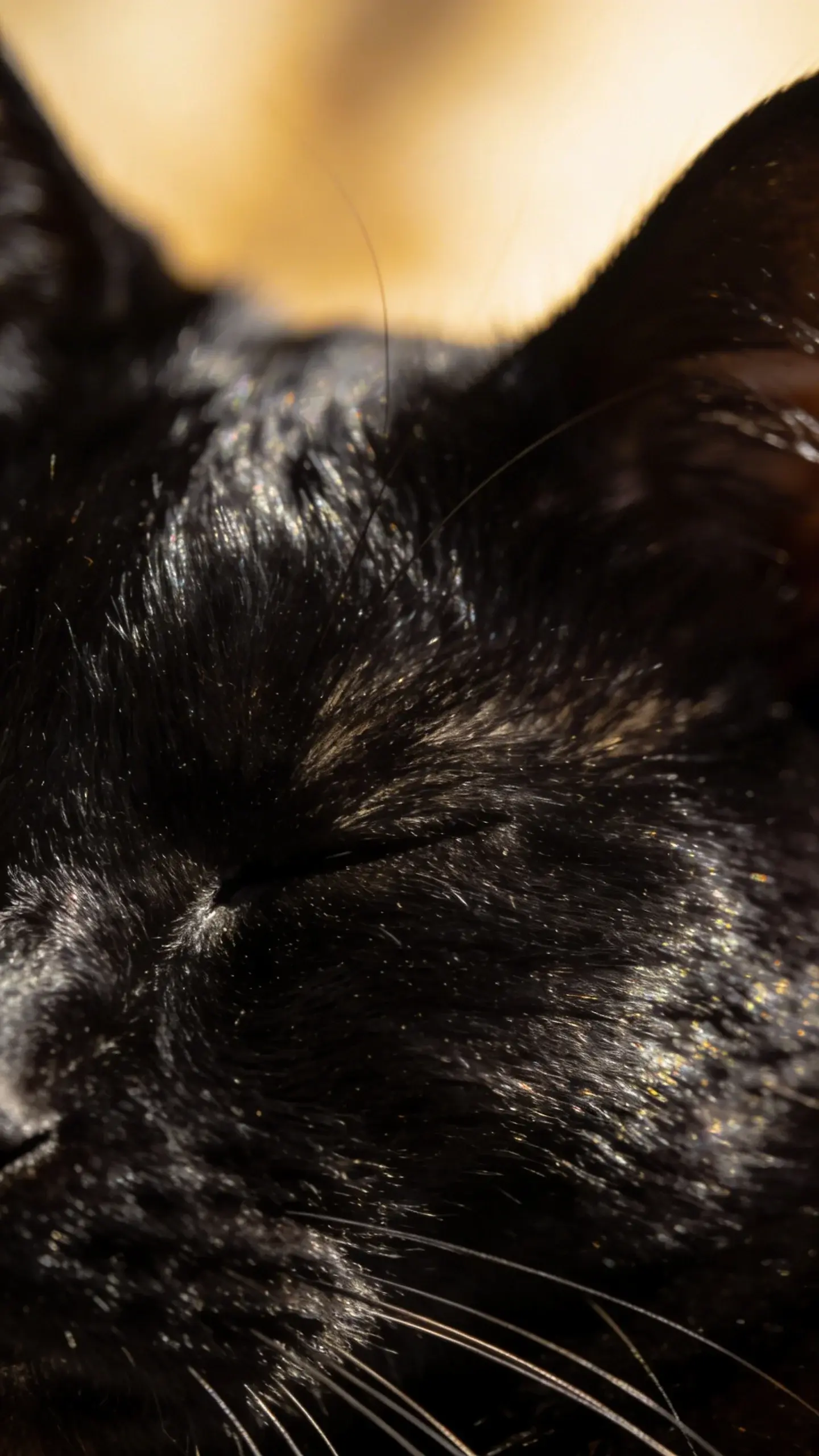
Your cat’s coat looks dull, and suddenly you’re googling salmon oil at 1 a.m.? Been there. The truth: shiny fur isn’t just vanity—it’s a neon sign for good health. And yes, homemade food can help, if you do it right. Let’s walk through how to cook for your fluffball so they glow like they paid extra for a blowout.
Why Shiny Fur Starts in the Bowl
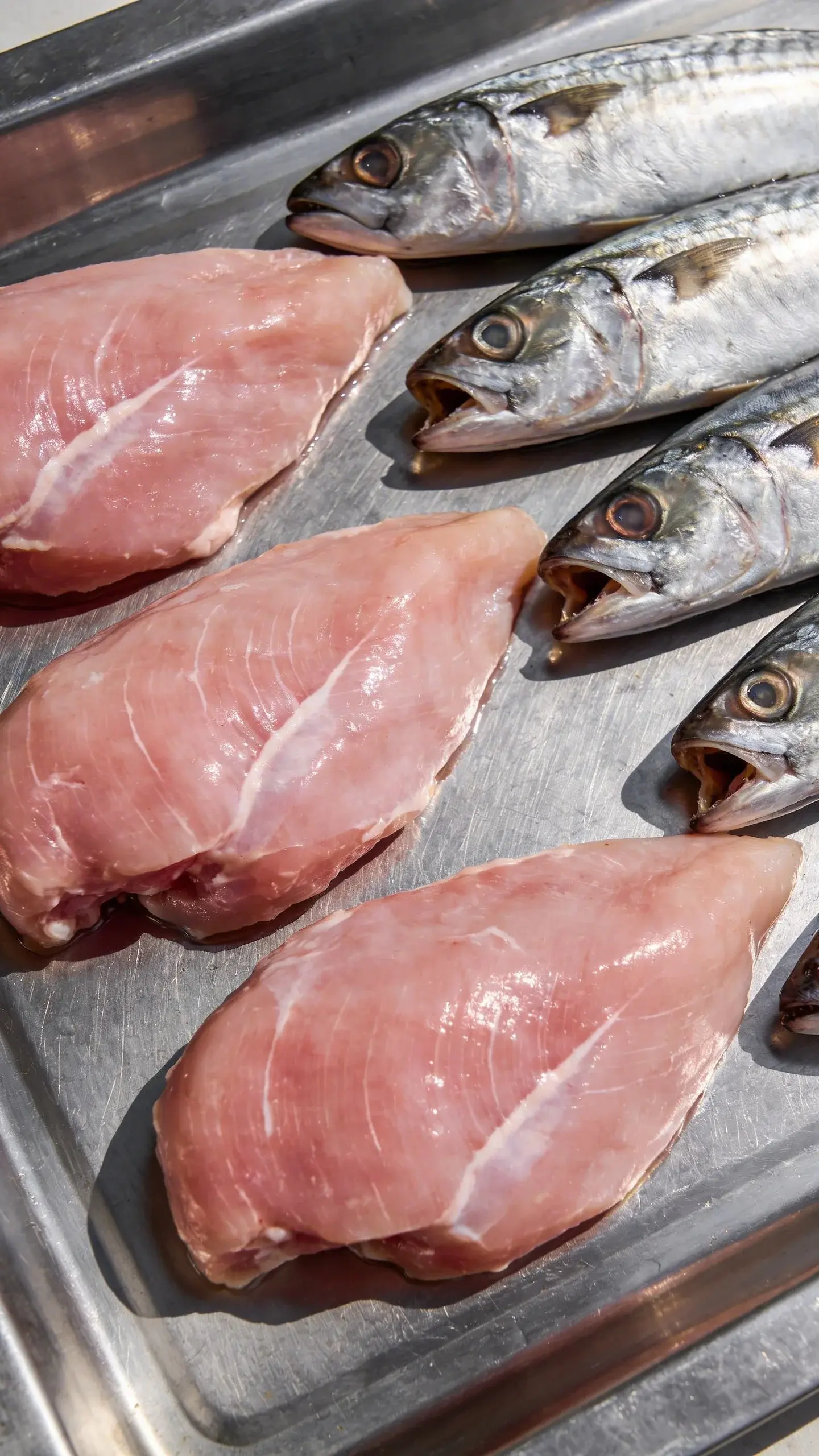
Your cat’s skin and coat depend on protein and fat more than anything. Cats are obligate carnivores—meat fuels their glow. When you feed complete protein and the right fats, skin calms down, shedding eases, and fur looks glossy instead of dusty.
Big idea: prioritize high-quality animal protein + essential fats + species-appropriate nutrients. Skip carb-heavy fillers. Cats don’t dream about quinoa.
The Nutrients That Make Fur Pop
Want a coat like a shampoo commercial? Focus on these:
- Complete animal protein: Chicken thigh, turkey, rabbit, beef, or sardines. Protein builds keratin, the stuff fur is made of.
- Essential fatty acids: Especially omega-3s (EPA/DHA) from fish like salmon or sardines. Omega-6 matters too, but most diets already have plenty.
- Taurine: Non-negotiable for cats. Supports heart, eyes, and, yes, fur quality.
- Vitamin E: Protects those lovely fats from oxidizing. Think of it as skincare from the inside out.
- B vitamins: Especially biotin and niacin—energy and skin health powerhouses.
- Minerals: Zinc and copper help skin turnover and pigment. Go easy—don’t DIY mega-doses.
- Water: Hydration = skin health. Moist food wins over dry kibble here.
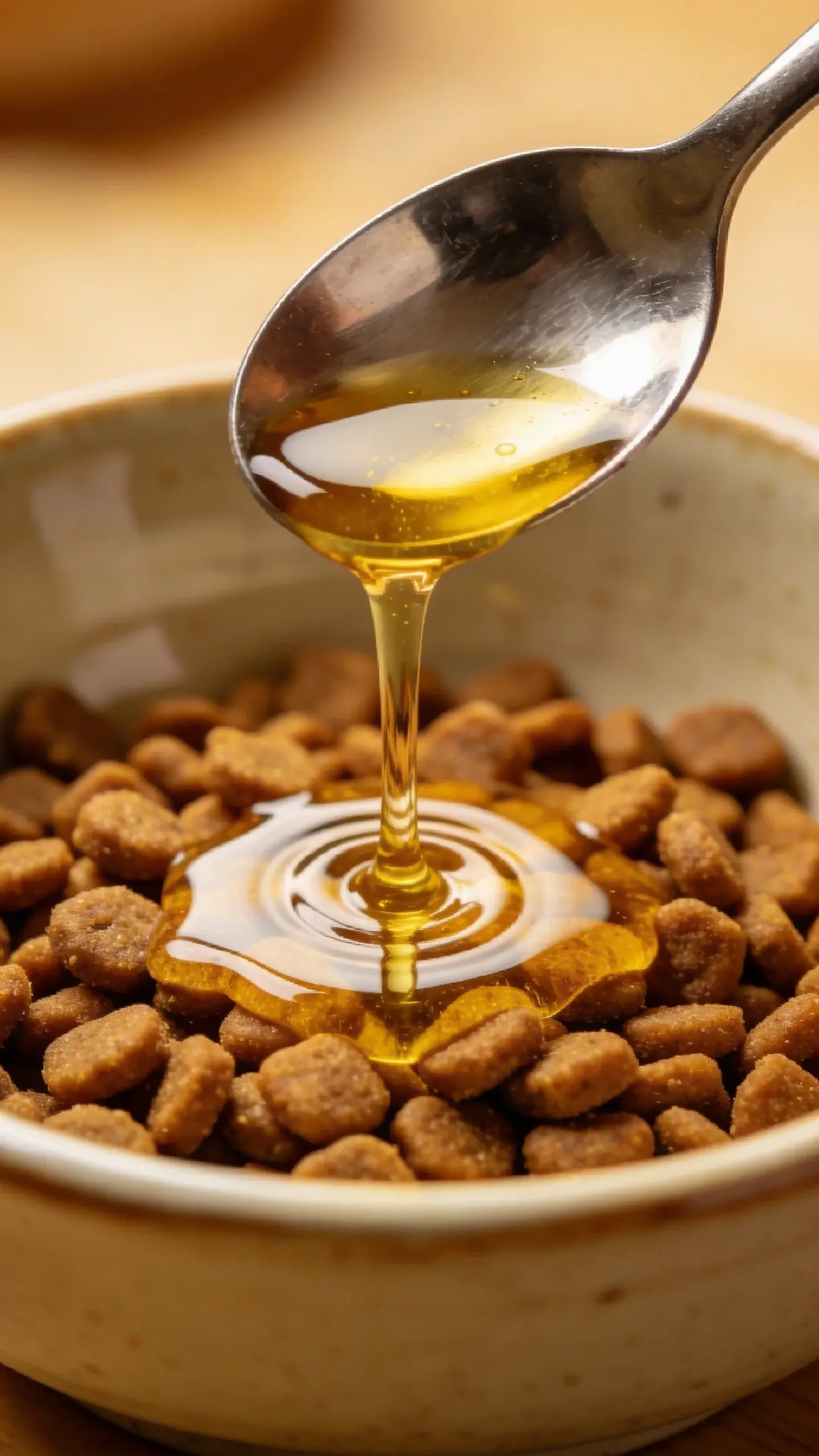
Omega-3s: Your Coat-Gloss Secret Weapon
Aim for oily fish 2-3 times a week or add a small amount of fish oil. Start with tiny amounts and build up—no one wants fishy burps or tummy drama. FYI: choose pet-safe fish oil without added flavorings or sweeteners.
Before You Cook: Safety and Balance
Homemade doesn’t mean “throw chicken in a bowl and pray.” Cats need a balanced recipe with the right calcium, phosphorus, vitamins, and taurine. An imbalanced diet can wreck bones, kidneys, or the heart—hard pass.
Rules of the road:
- Use a vet-formulated recipe or one from a board-certified veterinary nutritionist. IMO, this is the non-negotiable step.
- Always add calcium if you don’t include raw, ground bone. Eggshell powder or calcium carbonate works—dose matters.
- Add taurine even if you use dark meat. Cooking and grinding reduce it.
- Cook meats safely if you’re not comfortable with raw. Lightly cook to 165°F for poultry.
- Rotate proteins to cover micronutrient bases and keep picky eaters interested.
Supplements You’ll Likely Need
Most balanced homemade cat diets include:
- Taurine powder
- Calcium (eggshell powder or calcium carbonate)
- Vitamin E
- Vitamin B-complex
- Fish oil (for EPA/DHA)
- Iodine (often via a small amount of kelp powder) and sometimes zinc/copper in precise amounts
Strong suggestion: use a complete feline supplement blend designed for homemade raw/cooked diets to avoid math-induced headaches.
Two Fur-Boosting Meal Ideas
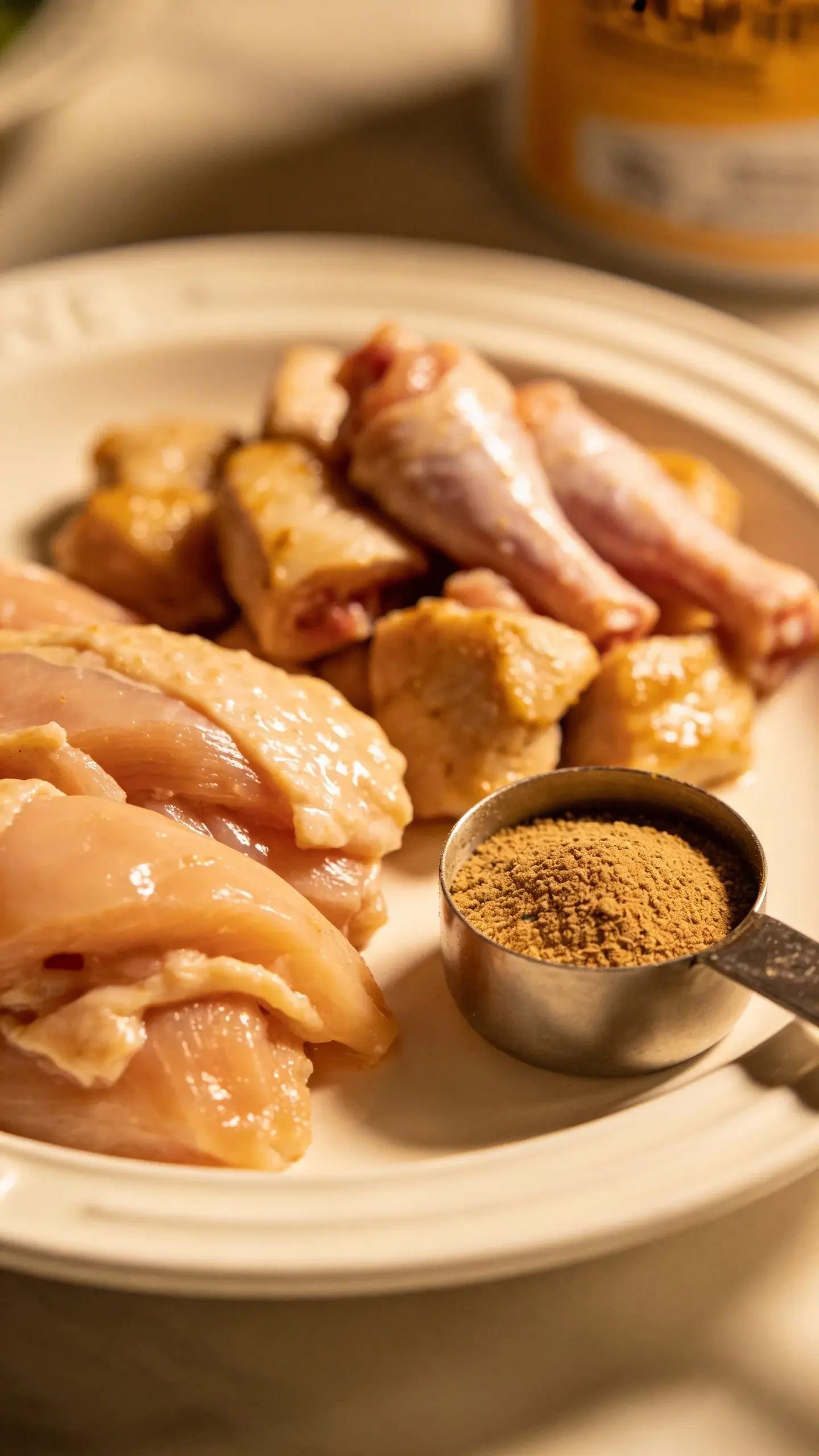
Not a full vet-formulated recipe (I like you too much to pretend), but here are frameworks you can discuss with your vet or nutritionist and adapt with a complete feline supplement.
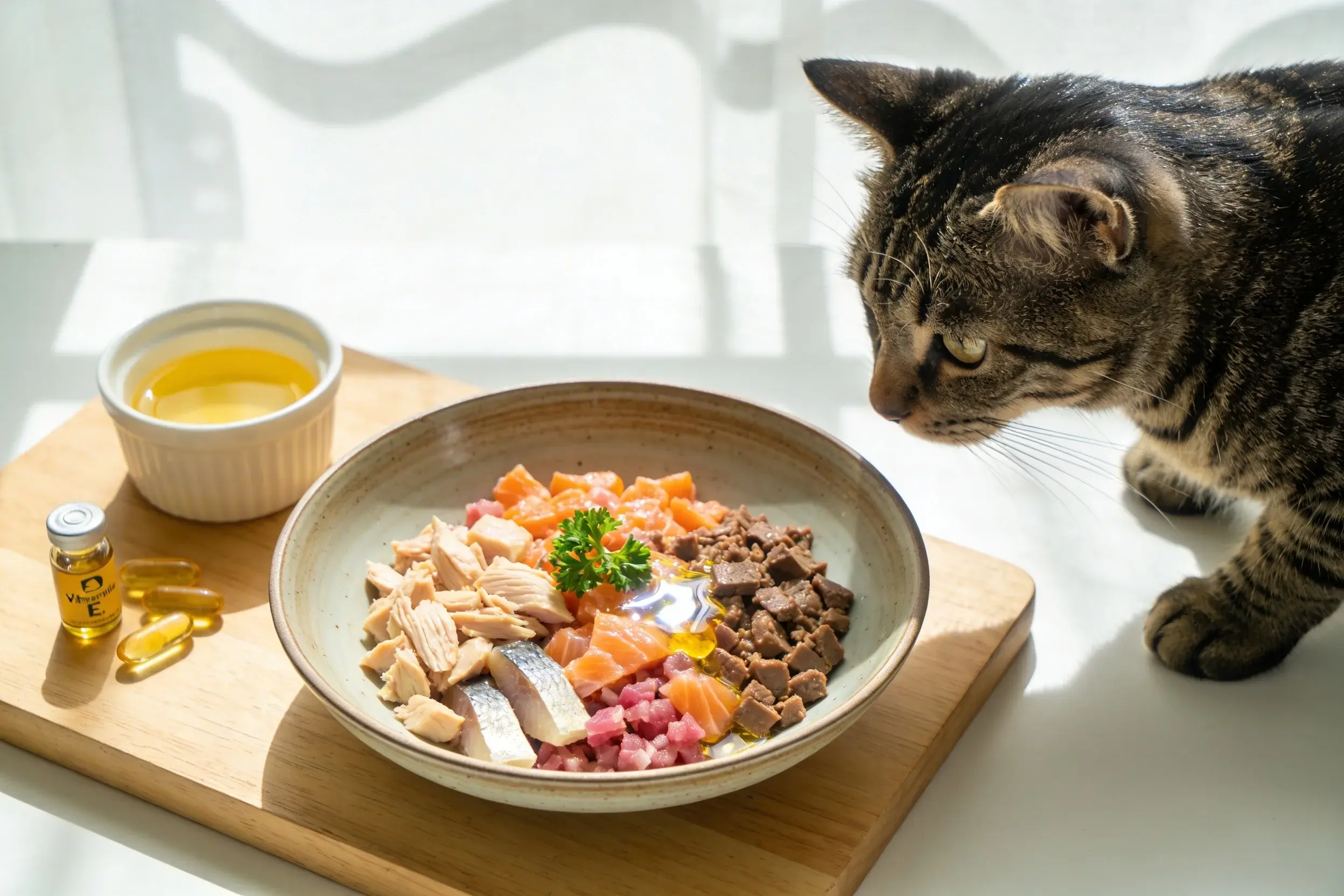
1) Salmon & Turkey Glow-Up
- 70% ground turkey thigh (skin on for fat)
- 20% cooked or canned salmon (boneless, in water)
- 10% chicken hearts/liver mix (about 5% liver max)
- Fish oil (dose per supplement instructions)
- Egg yolk (lightly cooked), optional for biotin and choline
- Calcium source + taurine + vitamin E + B-complex (per product label)
- Add warm water or unsalted bone broth for moisture
Cook turkey lightly if preferred, then mix with salmon and organs. Stir in supplements after cooling. Portion and refrigerate or freeze.
2) Rabbit & Sardine Shine Bowl
- 80% rabbit or chicken thigh
- 10% sardines (packed in water, no salt)
- 10% organs (mostly heart, small amount liver)
- Complete feline supplement + calcium/taurine as directed
This one leans heavy on omega-3s and tends to produce silky coats fast. Start slow if your cat has a sensitive stomach.
Cooking Tips That Keep Nutrients Happy
- Light heat wins: Overcooking damages taurine and dries out meat. Aim for just-done.
- Add supplements after cooking: Heat can degrade vitamins and fish oil.
- Grind or finely chop: Cats love small, tender pieces. Less drama at dinner.
- Store smart: Refrigerate 2-3 days max, freeze the rest in meal portions.
- Transition slowly: Mix 25% new food with 75% old for a few days, then 50/50, etc. Your carpet will thank you.
Signs Your Recipe Loves Their Coat
- Less dandruff and fewer mats
- Softer fur with a natural sheen
- Reduced shedding clumps (you’ll still find hair on black clothes—reality check)
- Healthy skin with minimal itching
Common Mistakes That Dull the Shine
- Skipping calcium: Meat alone causes dangerous mineral imbalances.
- Not enough fat: Ultra-lean meat = dry coat and cranky cat.
- Overdoing liver: Keep it around 5% of the batch. Too much vitamin A is a problem.
- Random supplements “just because”: Precision matters for cats. Guessing isn’t cute here.
- Not hydrating: Add water or broth to every meal. Shiny fur loves moisture.
FAQ
Can I feed homemade food every day?
Yes, as long as the recipe is balanced for cats. Use a vet-approved formula or a complete feline supplement designed for homemade diets. If you wing it, you risk deficiencies that show up months later.
How fast will I see a shinier coat?
Most cats show changes in 3-6 weeks as new hair grows in. Some glow up faster, especially with omega-3s. If nothing improves after 8 weeks, check your recipe balance or ask your vet.
Is fish oil safe for cats?
In the right dose, yes. Choose a pet-safe fish oil, start small, and store it in the fridge to prevent oxidation. Pair it with vitamin E to protect those fats—your cat’s skin will say thanks.
Do I need taurine if I use dark meat?
Still yes. Cooking and grinding reduce taurine, and cats burn through it fast. Add a measured taurine supplement every time for safety.
What about raw diets for shiny fur?
Raw can produce glossy coats, but it requires strict hygiene and precise balancing. If raw makes you nervous, do a lightly cooked version. The shine comes from nutrients, not the rawness.
Can I use plant oils instead of fish?
Not ideal. Cats can’t convert plant omega-3s (ALA) into EPA/DHA efficiently. Stick with fish or algal oil for the coat benefits you actually want.
Final Thoughts
A shiny coat starts with solid protein, smart fats, and a balanced plan. Cook simply, supplement precisely, and keep meals moist. IMO, the best part of homemade is watching your cat devour dinner like you’re a five-star chef—plus the fluff gets extra silky. If you want a sanity check, have a vet nutritionist bless your recipe, then bask in that glossy glory.