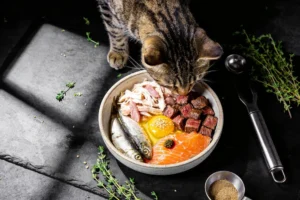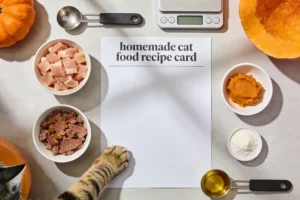
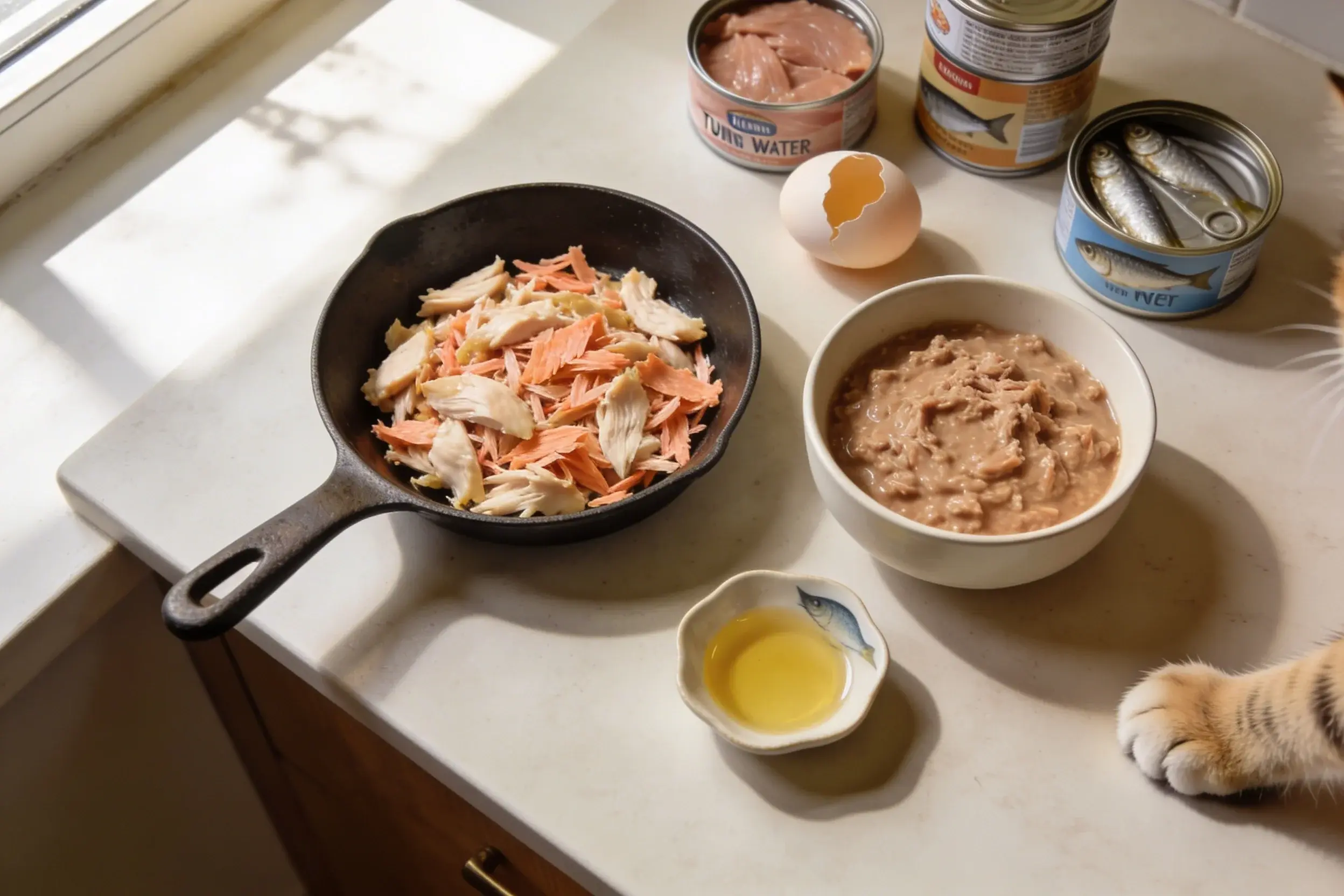
Your cat stares at you like a tiny, judgmental food critic—and you’re out of their usual kibble. Panic? Nah. You’ve got pantry staples, a skillet, and ten minutes. Let’s turn that “uh-oh” into a “heck yes” with simple, safe homemade cat meals that actually respect feline nutrition. No froufrou ingredients. No complicated gadgets. Just real food your cat will devour.
First, What Do Cats Actually Need?
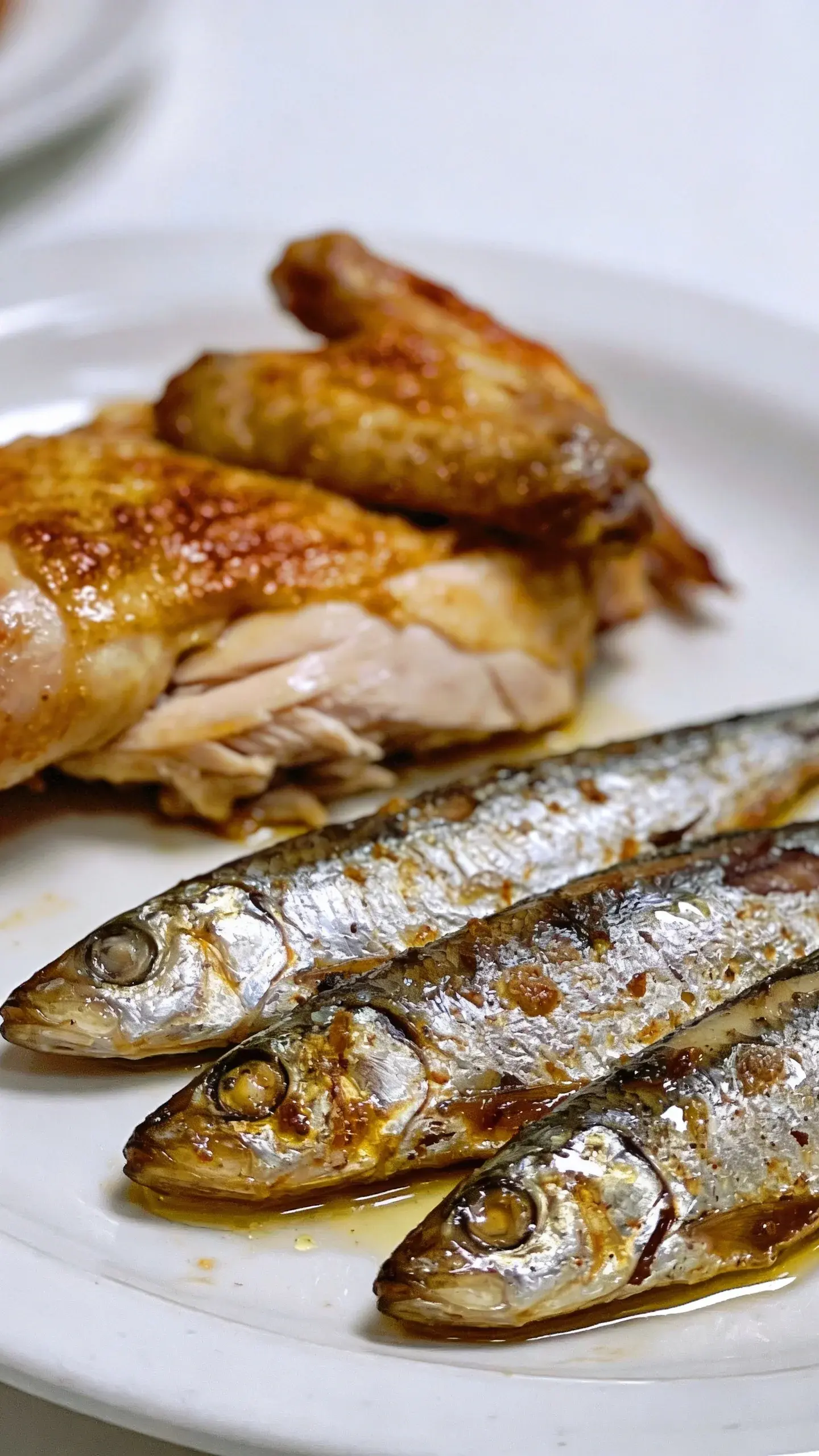
Cats aren’t small dogs. They’re obligate carnivores—meat-first, always. So when we talk homemade meals, we start with protein and build around it. Think: high-protein, moderate fat, very low carbs.
Key points your pantry can cover:
- Protein: Chicken, turkey, tuna, salmon, sardines (ideally in water, no added salt).
- Fat: Naturally in meats and eggs. Add a bit of fish oil if you have it.
- Taurine: Critical amino acid in meat and dark poultry. Don’t skip the meaty bits.
- Hydration: Cats don’t drink much water. Wet prep helps a lot.
FYI, we’re talking short-term meals with pantry basics. If you want full-time homemade, add supplements and a vet-approved plan (we’ll get to that).
Pantry Heroes: What You Can Use Right Now

Let’s raid the shelves. You likely have these:
- Canned fish: Tuna, salmon, sardines in water. No onions, garlic, or heavy salt.
- Canned chicken: Plain, shredded works great.
- Eggs: Protein and fat powerhouse—always fully cook for cats.
- Plain rice or oats: Tiny amounts only, if your cat tolerates it.
- Pumpkin puree: 1 tsp can soothe tummy drama (100% pumpkin, not pie filling).
- Olive oil or fish oil: A smidge boosts fat and shine.
- Unsalted bone broth: Adds moisture and flavor—check that it’s onion/garlic-free.
Ingredients to Avoid, Full Stop
- No onions or garlic in any form (powders included).
- No seasonings—salt, pepper, spice blends, nothing.
- No cooked bones—they splinter.
- No dairy—most cats can’t handle lactose.
- No grapes/raisins, chocolate, alcohol, xylitol—toxic territory.
Quick, Safe Recipes from Pantry Staples
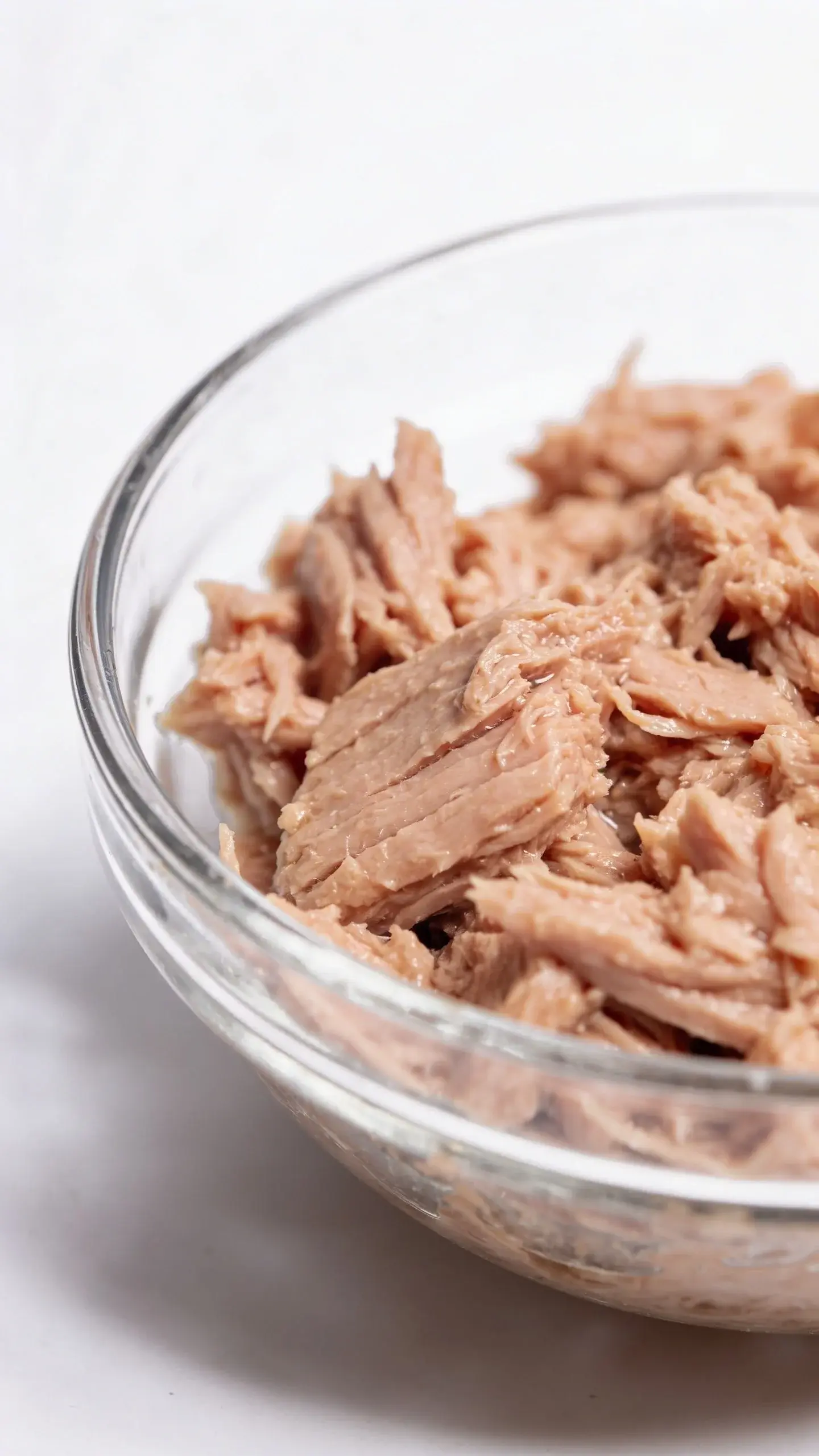
These aren’t long-term complete diets, but they’re balanced enough for a few meals when you’re in a pinch. Keep portions cat-sized: 2–4 tablespoons per meal for most adult cats, 2–3 times daily. Adjust for size and appetite.
1) Five-Minute Tuna & Egg Scramble
- 2 tbsp canned tuna in water, drained
- 1 egg
- 1 tsp water or unsalted broth
Instructions:
- Beat egg with water. Cook in a nonstick pan on low until just set.
- Flake tuna and fold into the warm egg. Cool to barely warm. Serve.
Why it works: Protein + fat, good moisture, soft texture. IMO, it’s the fastest crowd-pleaser.
2) Gentle Chicken Mash
- 3 tbsp canned chicken (plain), shredded
- 1–2 tsp unsalted broth or warm water
- Optional: 1 tsp pumpkin puree for sensitive stomachs
Instructions:
- Warm chicken slightly and mash with broth until moist.
- Add pumpkin if your cat needs extra tummy TLC.
Why it works: Lean protein, easy to digest. Great for picky seniors.
3) Sardine Supreme
- 1 sardine (canned in water), mashed
- 1 tsp cooked plain rice (optional)
- Few drops olive or fish oil (optional)
Instructions:
- Mash sardine well. Mix in rice only if your cat tolerates carbs.
- Add a couple drops of oil if the fish is very lean.
Why it works: Omega-3s for skin/coat, lots of flavor. Use small amounts to avoid fishy overload.
4) Turkey & Oat Cozy Bowl
- 2–3 tbsp cooked plain ground turkey or canned turkey
- 1 tsp very soft cooked oats
- 1–2 tsp warm water or broth
Instructions:
- Combine and mash to a soft consistency.
- Serve slightly warm, never hot.
Why it works: Mild flavors, good for nervous eaters or post-vet appetite slumps.
How to Make It Smell Irresistible
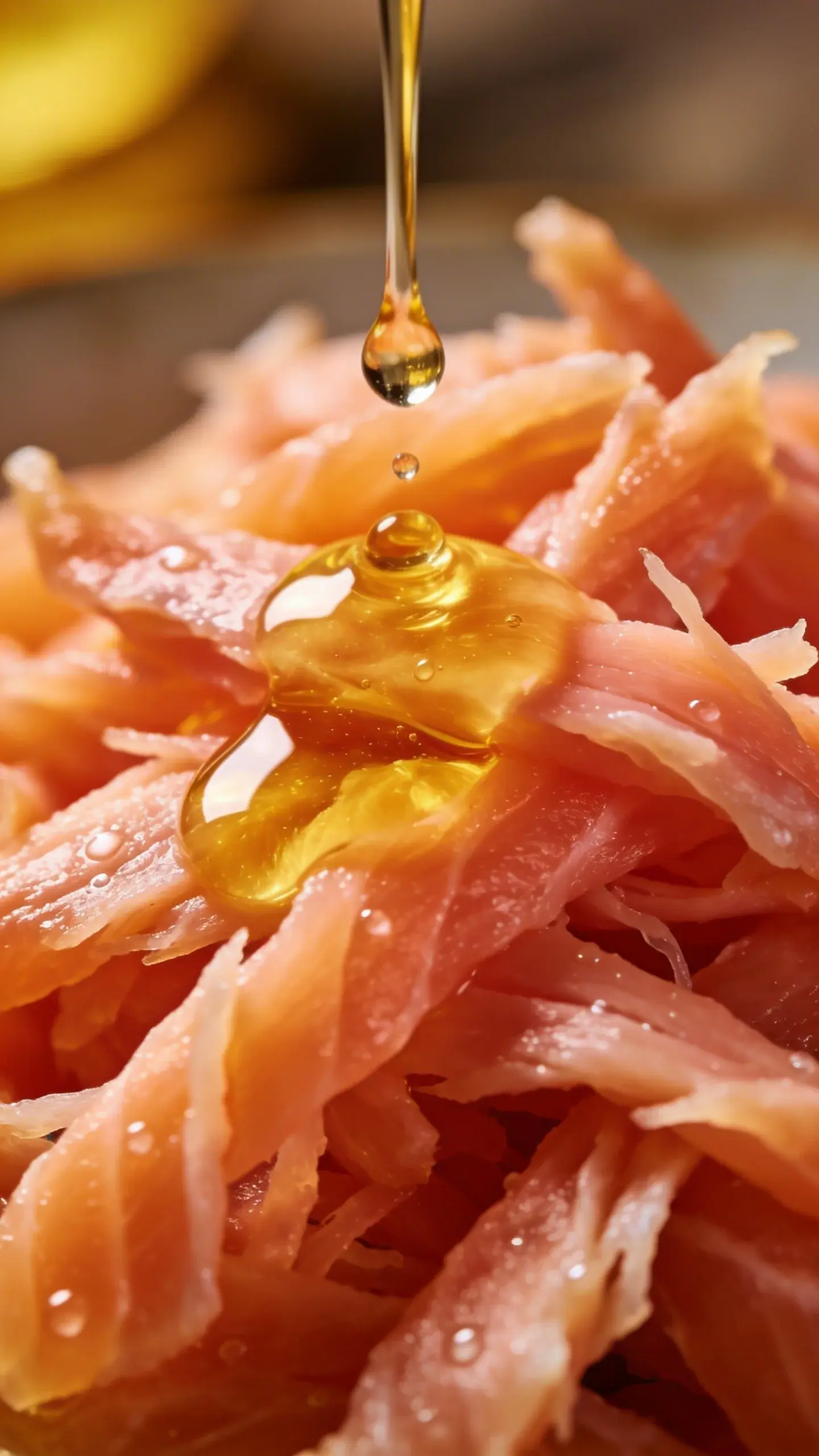
Cats eat with their noses first. If your culinary genius gets side-eye, try:
- Warm it up to room temp or slightly warmer.
- Add broth (onion/garlic-free) for aroma and hydration.
- Use fish “toppers”—a teaspoon of sardine or salmon on chicken.
- Stir in water from tuna (if unsalted) to tempt picky noses.
FYI, fridge-cold food often gets a hard pass.
Portions, Storage, and Safety
Keep it simple and safe.
- Portion size: Most adult cats eat 4–6 oz wet food daily. Your homemade serving will vary, but think small: 2–4 tbsp per meal.
- Temperature: Serve slightly warm. Never hot.
- Storage: Refrigerate leftovers up to 24 hours. Rewarm gently with a splash of water.
- Hygiene: Clean bowls after every meal. Cats deserve better than crusty dish vibes.
- Eggs: Always fully cook. Raw egg whites mess with biotin—no thanks.
Signs You Picked a Winner
- Your cat eats within 10–15 minutes.
- They groom and loaf contentedly after.
- No tummy upset in the next 12–24 hours.
If you get vomiting, diarrhea, or dramatic litter box news, pause and go back to their usual diet.
Longer-Term Homemade? Read This First
Short-term pantry meals? Awesome. Full-time homemade? You need a complete plan. Cats require taurine, calcium, vitamin A, D, E, and specific fatty acids. Meat alone won’t cut it long term.
What a complete setup usually includes:
- Meat + organs: Heart, liver, gizzards (proper ratios matter).
- Calcium source: Ground eggshell powder or a formulated feline supplement.
- Taurine supplement: Insurance, even with heart meat.
- Recipe formulated for cats: From a vet nutritionist or trusted veterinary source.
IMO, work with your vet, especially if your cat has kidney issues, allergies, or is a kitten.
Transition Tips (If You Want to Mix In)
- Start with 10–20% homemade mixed into their regular wet food.
- Increase slowly over 3–5 days if all looks good.
- Keep hydration high with added water or broth.
FAQ
Can I feed canned tuna every day?
Occasionally, sure. Daily, not ideal. Tuna can be low in certain nutrients and sometimes high in mercury. Rotate proteins and stick to tuna as a topper or occasional meal.
Do I need supplements for these pantry recipes?
For a day or two, no. For a steady diet, yes—cats need taurine and calcium at a minimum, plus vitamins and fatty acids in proper ratios. Short-term is fine; long-term requires a complete, vet-approved recipe.
Is rice okay for cats?
In tiny amounts, and only if your cat tolerates it. Cats don’t need carbs, so treat rice as a texture aid for upset tummies, not a main ingredient.
What about raw food?
Raw can work with careful sourcing and strict hygiene, but it carries bacterial risks to both cats and humans. If you want raw, consult your vet and use a balanced, tested formula. For quick pantry meals, stick to cooked.
How much should I feed per meal?
Most adult cats eat 2–4 tablespoons per meal, 2–3 times daily, depending on size and activity. Monitor body condition and adjust. When in doubt, ask your vet and watch the waistline.
My cat’s picky. How do I win them over?
Warm the food, add a teaspoon of fish, and keep the texture soft and moist. Try shallow dishes and a quiet feeding spot. Some cats also prefer multiple tiny meals—divas, all of them.
Final Thoughts
You can whip up simple, safe cat meals with pantry staples and a bit of common sense. Prioritize meat, moisture, and zero seasonings. Use these recipes for emergencies or variety, and loop your vet in if you want to go full-time homemade. Your cat gets a tasty, wholesome bowl. You get smug satisfaction. Everyone wins—especially the tiny food critic.