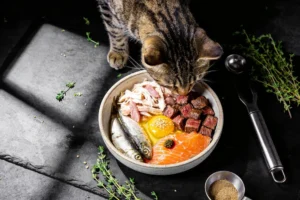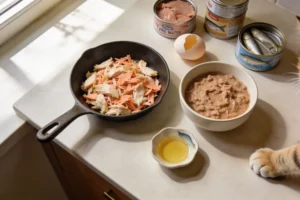
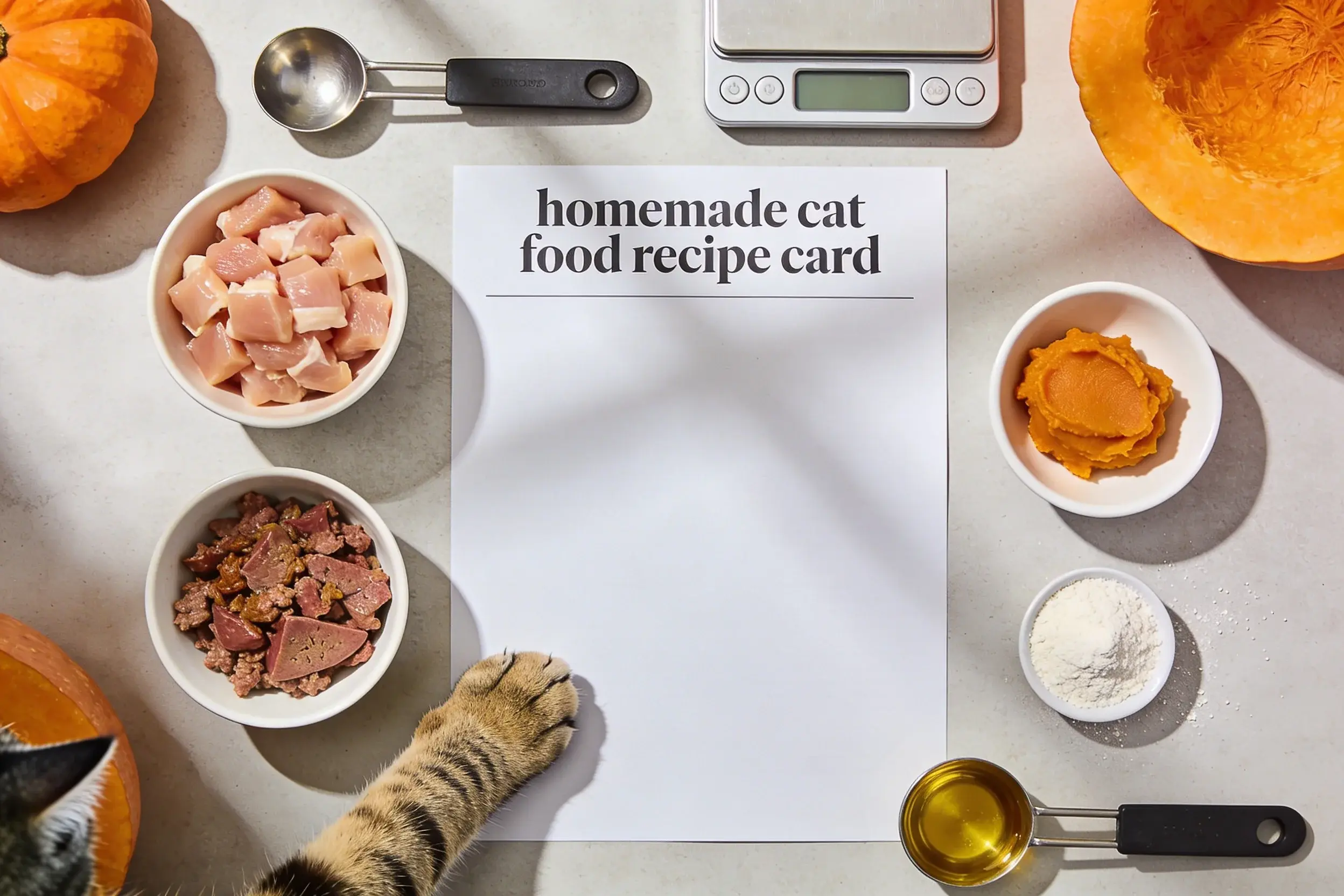
You juggle work, errands, and a cat who stares like you owe rent. Dinner time shouldn’t feel like a culinary bootcamp. A printable homemade cat food recipe card makes prep fast, repeatable, and way less chaotic. Let’s set you up with simple, vet-friendly basics you can stick to your fridge and use on autopilot.
Why a Printable Recipe Card Beats Guesswork
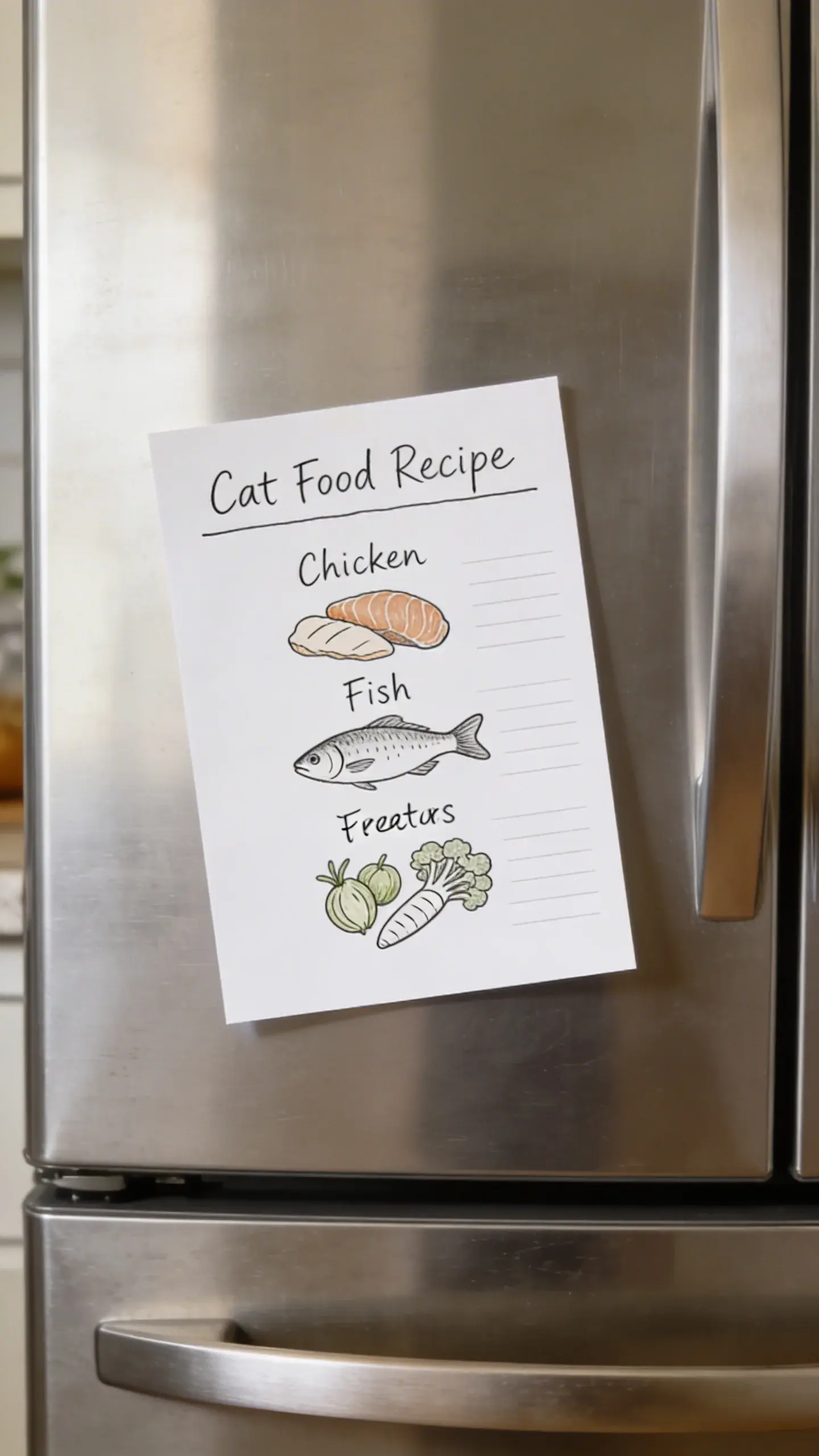
You know that “I’ll just wing it” plan? Cats don’t love that. A recipe card keeps your portions consistent and your ingredients balanced—no last-minute Googling. Plus, you can hand it to your partner or pet sitter and trust they won’t improvise with, like, raisins.
Bottom line: a good card saves time, reduces mess, and keeps your fluffball’s belly happy.
The Core Recipe (Balanced, Vet-Friendly Basics)
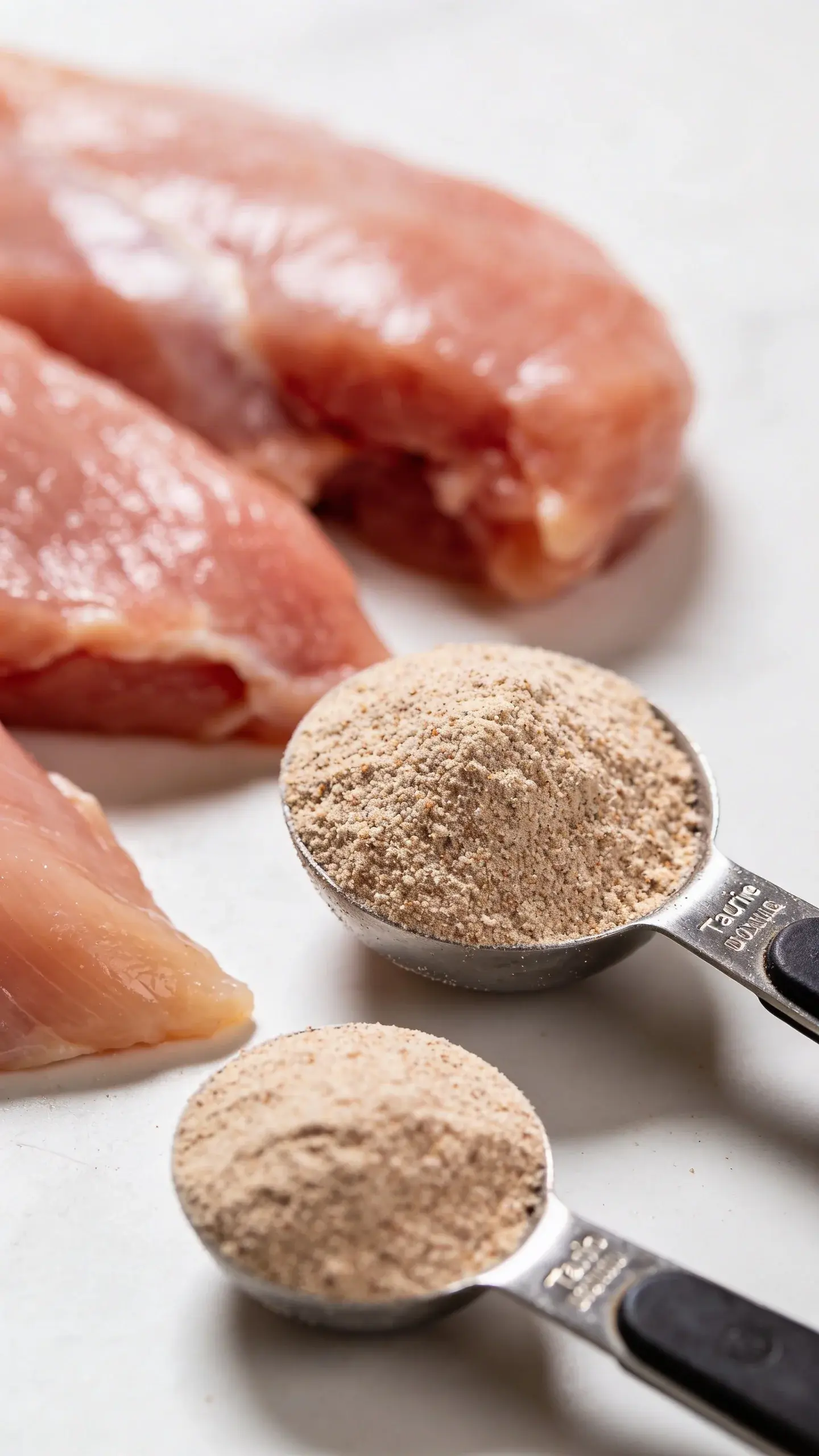
Here’s a straightforward, beginner-friendly base recipe you can put on a card. It’s designed for adult, healthy cats. FYI: Cats need animal protein, taurine, and the right calcium-to-phosphorus ratio—no exceptions.
Single-Batch Base Recipe (about 4-5 cat servings):
- Protein: 300 g cooked chicken thigh or turkey thigh, finely chopped
- Organ: 40 g chicken liver, lightly sautéed and minced
- Fat:</strong 1 tsp chicken fat or olive oil (optional if meat is very lean)
- Carb/Fiber: 40 g cooked pumpkin or squash (helps digestion)
- Calcium: 1,000 mg calcium powder (or finely ground eggshell, ~1/2 tsp)
- Taurine: 500–1,000 mg taurine powder
- Omega-3: 500 mg fish oil (from salmon or sardine oil)
- Water/Broth: 60–90 ml warm water or unsalted bone broth
Method (fast):
- Cook protein and liver separately. Chop small—cats judge texture like food critics.
- Mix in pumpkin, fat (if using), and supplements thoroughly.
- Add water/broth until it’s soft and spoonable.
- Cool, portion into 4–5 servings, refrigerate up to 48 hours, freeze the rest.
Serving size: Most adult cats eat roughly 120–180 g total food per day, split into 2–3 meals. Adjust based on weight and activity.
Important Notes You Should Actually Read
- Taurine is non-negotiable. Heat destroys some taurine; add it after cooking.
- Always add calcium when you use boneless meat. Without it, phosphorus wins and their kidneys won’t thank you.
- Rotate proteins weekly: chicken, turkey, rabbit, lean beef, or canned sardines (in water, no salt).
- Check with your vet if your cat has kidney disease, pancreatitis, or allergies. Seriously.
Your Printable Recipe Card (Copy, Print, Stick on Fridge)
- Title: Quick Prep Cat Food – 4–5 Servings
- Protein: 300 g cooked chicken/turkey thigh, chopped
- Organ: 40 g chicken liver, sautéed, minced
- Pumpkin: 40 g cooked
- Calcium: 1,000 mg powder (or 1/2 tsp eggshell, finely ground)
- Taurine: 500–1,000 mg
- Fish Oil: 500 mg
- Water/Broth: 60–90 ml
- Steps: Mix after cooking, adjust moisture, portion, chill/freeze.
- Serving: 2–3 meals/day; total 120–180 g/day for average adult cat.
- Rotate proteins weekly.
Print that on a 4×6 card. Laminate it if you’re fancy (or just spill-prone).
Time-Saving Prep Strategies
Want this to feel like meal prep, not a full-on production? Batch like a pro.
- Cook big, portion small: Double or triple the recipe on Sundays. Freeze in silicone trays (30–60 g per cube).
- Label like a legend: Date, protein, supplements added—future you will forget, trust me.
- Use a mini chopper: Cuts texture time in half without turning it into paste.
- Warm gently: A splash of warm water wakes up aroma. No microwaving to lava temps.
Freezer Workflow That Doesn’t Annoy You
- Freeze flat in zip bags for fast defrost.
- Keep 2 days’ worth in the fridge at a time.
- Rotate stock: oldest comes out first. FIFO like a tiny feline restaurant.
Sneaky Ways to Keep It Balanced (Without a Spreadsheet)
You don’t need a PhD to keep nutrients in range. You just need a few habits.
- Keep organ at ~10% of meat weight. Too much liver = vitamin A overload.
- Hit calcium every time. If you forget, mark that batch “treat only.”
- Omega-3 twice a week minimum. Skin, joints, shine—worth it.
- Hydration is queen. Add extra water if your cat eats dry on the side.
When to Consider a Commercial Supplement Mix
If calculating micronutrients makes your eye twitch, use a complete premix for cats designed for homemade diets. Follow the label exactly and pair with the right meat. It’s the cheat code, IMO.
Flavor Boosters Your Cat Will Actually Approve
Picky eater? Relatable. Try these safe, cat-approved add-ins in tiny amounts:
- Cat-safe toppers: Bonito flakes, a drizzle of tuna water (from tuna in water), or crushed freeze-dried meat.
- Herbs: A whisper of catnip or parsley. Not a salad—just a sprinkle.
- Warmth + smell: Warm to “just above room temp.” Aroma sells it.
What to Skip (For Real)
- No onions, garlic, chives, grapes/raisins, chocolate, xylitol.
- No seasoned broth, high-salt anything, or deli meats.
- No random vitamin tablets made for humans.
Printable Card Templates and Storage Ideas
Make it pretty and practical. You’ll use it more.
- 4×6 index card or PDF: Fits recipe, method, portions, and notes.
- Magnetic sleeve on fridge: Slide in updated versions as you tweak.
- Dry-erase lamination: Check off “added taurine” each batch like a boss.
- QR code link: Print a QR to a longer doc with variations and vet notes (extra, but cool).
FAQs
Do I really need taurine if I’m using dark meat?
Yes. Cooking reduces taurine levels, and cats can’t make enough on their own. Add a supplement to every batch, FYI. It’s cheap insurance against heart and vision issues.
Can I use bone-in meat instead of calcium powder?
You can if you grind the bone finely and balance the ratio, but most home kitchens can’t do that safely and evenly. Using a reliable calcium source (powder or eggshell) keeps it consistent and stress-free.
What if my cat has kidney disease or other health issues?
Use a vet-approved renal-friendly recipe. That usually means lower phosphorus, adjusted protein, and specific supplements. Don’t wing it—get a recipe tailored to your cat’s labs.
How long can I store homemade cat food?
Refrigerate for up to 48 hours. Freeze for up to 2–3 months in airtight containers. Defrost in the fridge, not on the counter—food safety still matters to tiny tigers.
Can I skip the pumpkin or carbs entirely?
Sure. Cats don’t need carbs. Pumpkin just helps with stool quality and texture. If your cat does great without it, leave it out and add a bit more water for moisture.
My cat hates fish oil. Alternatives?
Try krill oil or sardine oil, or rotate in a serving of sardines in water once weekly. You can also use algae-based DHA if fish is a no-go, but confirm dosing with your vet.
Wrap-Up: Print It, Prep It, Chill
Homemade cat food doesn’t need to be a whole identity. Stick a simple, balanced recipe card on your fridge, batch-cook once a week, and check the taurine and calcium boxes every time. Your cat eats better, you spend less time second-guessing, and dinner stops feeling like a math problem. Win-win—now go impress your tiny supervisor.