
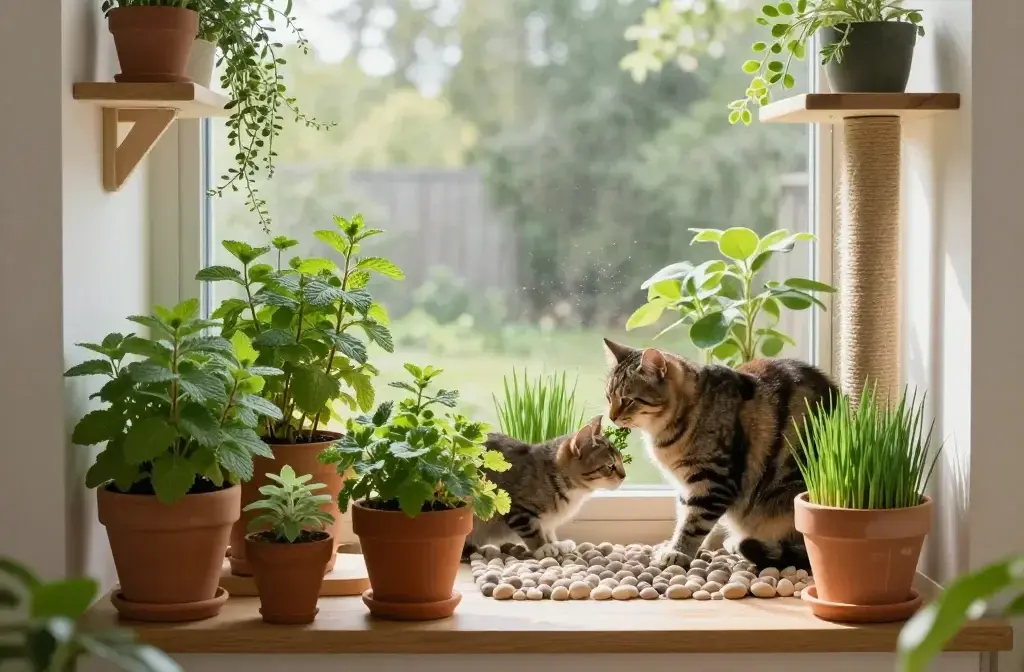
Some cats act like tiny gods. Others act like chaotic gardeners who knock over your succulents at 3 a.m. Either way, you can channel that energy. Build a sensory garden that delights their nose, paws, and brain—without wrecking your houseplants. Let’s turn your space into a cat-friendly oasis they’ll actually prefer to your keyboard.
Why a Sensory Garden Works (and Saves Your Sanity)
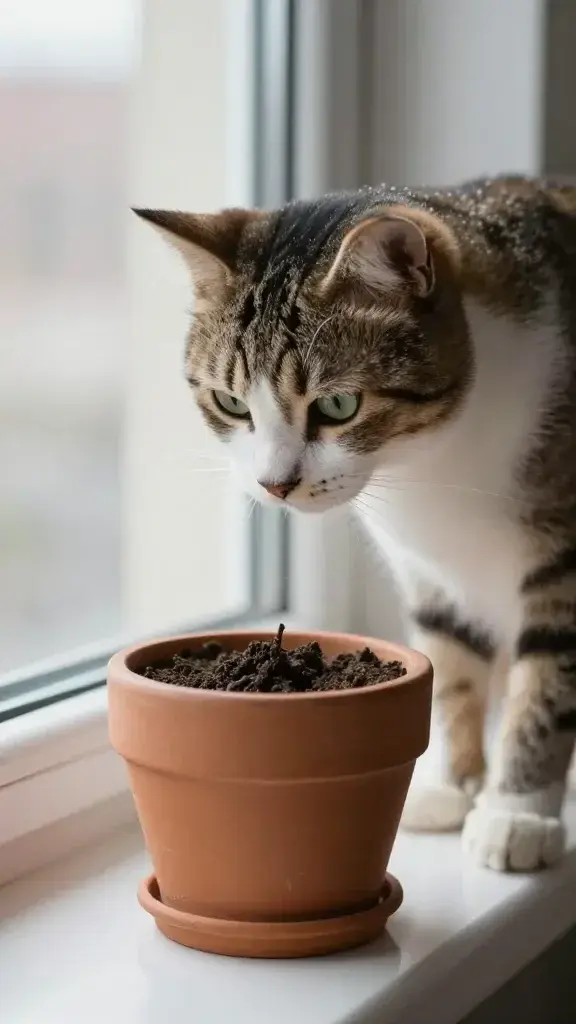
A sensory garden feeds your cat’s curiosity with scent, texture, and motion. It gives them a “yes-zone” to scratch, sniff, and roll so they ignore your no-go plants. You create structure; they think it’s chaos. Everyone wins.
Bonus: A good sensory setup reduces boredom and stress. Cue fewer zoomies at 2 a.m., fewer shredded curtains, and a calmer, happier floof. IMO, that’s the dream.
Start with Safety: Plants You Can Trust
Let’s get the most important part out of the way. Not every pretty plant deserves a spot in a cat’s world. Some are toxic, some are just boring, and some scream “eat me” and then cause drama.
Cat-safe, cat-attracting MVPs:
- Catnip (Nepeta cataria) – The headliner. Many cats go blissfully wild. Others shrug. Try it anyway.
- Catmint (Nepeta mussinii/’Walker’s Low’) – Milder cousin to catnip. Great for playful rolling and gentle zooms.
- Cat thyme (Teucrium marum) – Smells funky (like, truly funky), but some cats adore it.
- Valerian (Valeriana officinalis) – Stimulates play first, then zonks them out for a nap. Grow outside or in a ventilated area because: stinky roots.
- Lemon balm (Melissa officinalis) – Soft lemon scent; many cats enjoy rubbing on it. Plus it makes a nice tea for humans. Two-for-one.
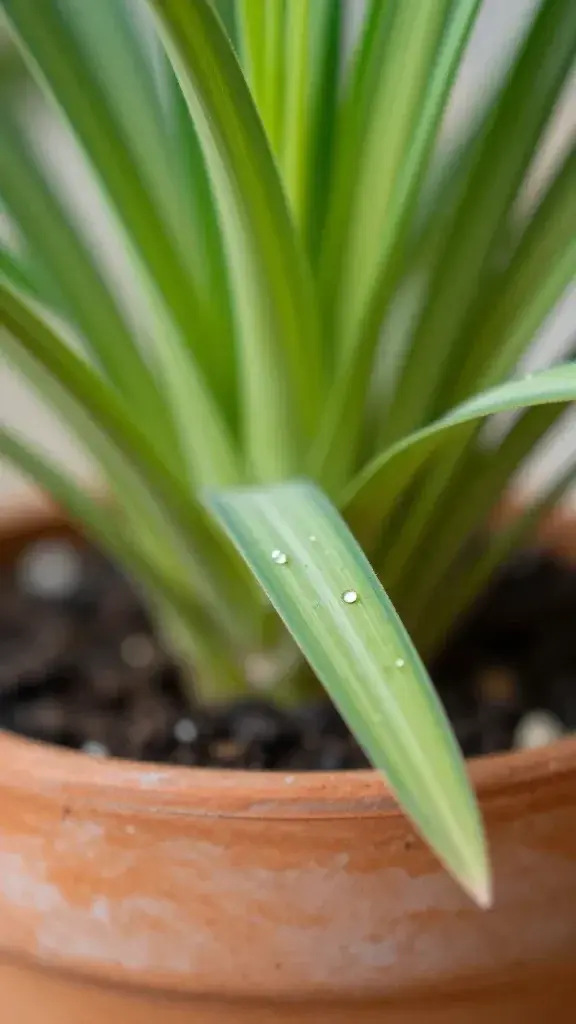
- Spider plant (Chlorophytum comosum) – Non-toxic and mesmerizing. The arching leaves invite gentle batting.
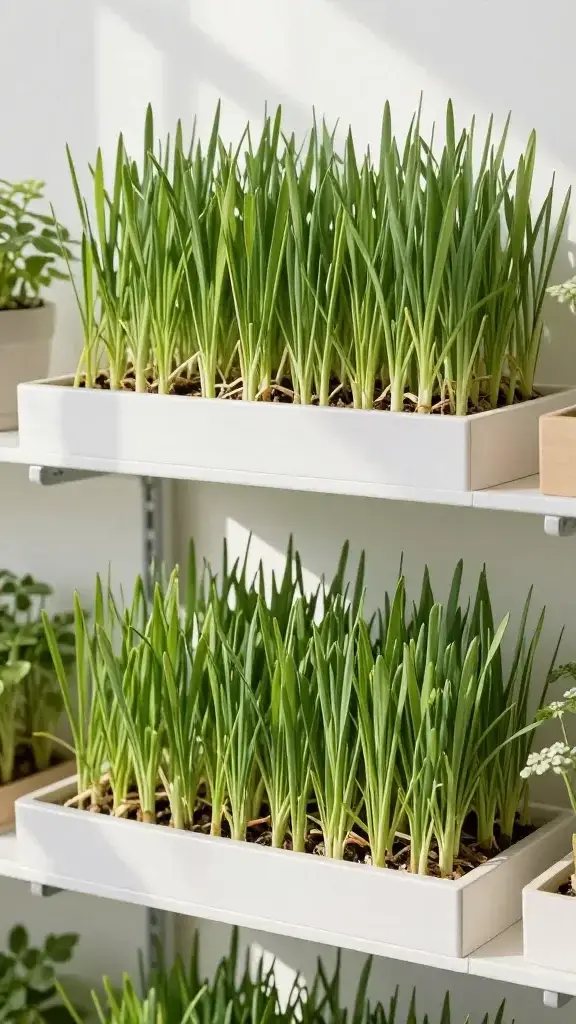
- Dwarf grasses – Dactylis glomerata (orchard grass), Avena sativa (oat grass), or pre-made “cat grass” mixes. Perfect for nibbling and tummy regulation.
- Chamomile (Matricaria chamomilla) – Gentle scent and soft texture. Use German chamomile, not Roman, if you want to be extra cautious.
Plants to skip (seriously, don’t):
- Lilies (all true lilies and daylilies) – Extremely toxic. No lily, no how.
- Sago palm – Pretty, deadly. Hard pass.
- Dieffenbachia, philodendron, pothos – Oral irritants. Cats chew; chaos ensues.
- Mint family caveat – Peppermint/spearmint can upset tummies. Stick to catnip/catmint.
Pro tip: Rotate scents
Cats habituate fast. Rotate catnip, valerian, and cat thyme weekly. Keep a couple plants “off-limits” behind a gate and swap them in. Novelty = magic.
Designing the Space: Make It a Cat Playground
You don’t need a huge yard. A balcony, windowsill, or one sunny corner works if you think in layers.
Use these layers:
- Ground level – Grasses in low, wide planters. Add smooth river stones and a small sand “dig zone.”
- Mid-level – Bushy catmint, lemon balm, and spider plants for rubbing and batting.
- Vertical – Sturdy shelves, a cat tree, or a trellis with dangling wool toys. Movement attracts hunters.
Layout ideas:
- Nibble station – A trough of oat/rye/wheat grass. Place near a sunspot for lounging snack vibes.
- Roll-and-rub zone – Catnip and catmint in a shallow planter with a cork mat beside it.
- Chill corner – A raised perch near a fan or open window, flanked by lemon balm for scent.
Indoor vs. outdoor setups
– Indoors: Use heavy ceramic or concrete planters so Sir Pounce can’t flip them. Consider hanging baskets for tender plants.
– Outdoors: Give partial shade and wind protection. Add a mesh barrier if neighborhood cats might over-party.
Soil, Pots, and Mess Control (Because Cats Will Cat)
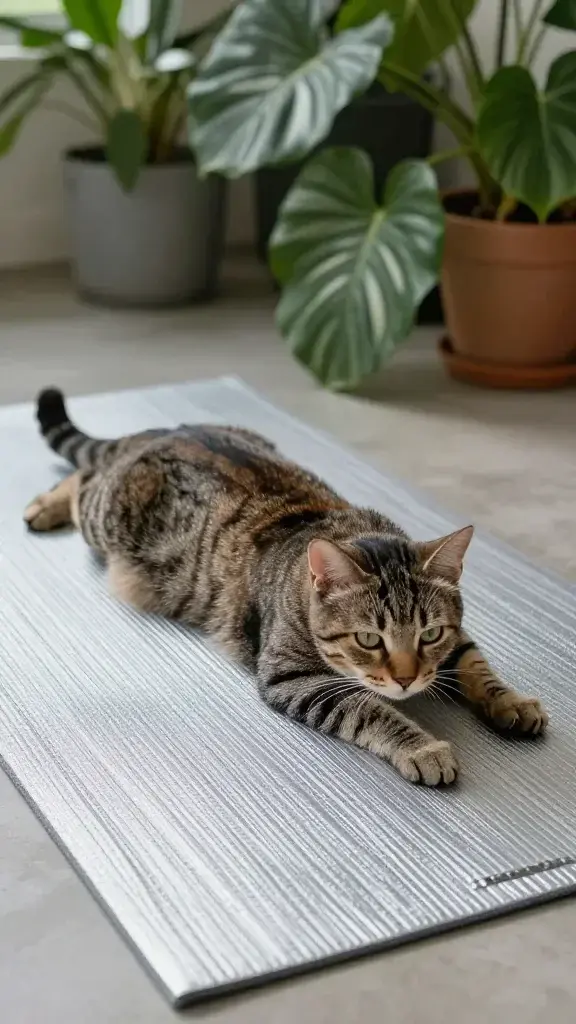
Let’s be real: dirt + paws = redecorating. You can reduce the chaos.
Smart container choices:
- Wide, low planters – Stable, hard to tip during a zoomie.
- Self-watering pots – Keep soil evenly moist without daily chores. Great for grasses and mint family plants.
- Terracotta or fabric grow bags – Breathable, reduce root rot. Place on trays.
Soil and toppers:
- Plain potting mix with added perlite for drainage.
- Coconut coir top layer – Soft for paws but less flingable than dry soil.
- Pebble or cork mulch – Discourages excavation while allowing watering.
Cleanliness hacks:
- Put a washable mat under the garden zone.
- Use a tiny handheld vacuum nearby. You’ll thank me later.
- Clip grass weekly to reduce regurgitated “green spaghetti” on rugs.
Grow It Right: Light, Water, and Easy Maintenance
Cats don’t care about your horticulture flex, but thriving plants last longer under feline “attention.”
Light needs:
- Catnip/catmint – Bright light to full sun. Indoors, aim for south or west windows.
- Spider plants – Bright, indirect light. They scorch in strong sun.
- Lemon balm/chamomile – Happy in bright indirect to part sun.
- Grasses – Bright light. Supplement with a grow light if they get leggy.
Watering basics:
- Keep grasses evenly moist. They sulk if dry.
- Let catnip/catmint dry slightly between waterings to prevent root rot.
- Spider plants like a steady schedule but forgive you if you forget once. Same.
Feeding and pruning:
- Use a gentle, organic fertilizer monthly during growth. No systemic pesticides—cats chew leaves.
- Pinch catnip/catmint tops to keep them bushy and resilient to mauling.
- Harvest and dry catnip flowers for toys. Store in airtight jars for rainy-day enrichment.
Keep it organic, FYI
Avoid chemical sprays, essential oils, and cocoa mulch. If pests show up, use insecticidal soap or a quick shower for plants. Cat > aphids. Always.
Make It Interactive: Enrichment Add-ons
A sensory garden isn’t just plants. It’s a stage for tiny dramatic performances.
Fun upgrades:
- Wind chimes or flutter strips high up for motion (out of paw reach).
- Water feature like a small bubbler. Many cats love the sound and sip more.
- Textured paths – felt, cork, sisal mats, and smooth stones for varied paw feels.
- Hidey boxes among planters for ambush play. Cats: “I am unseen.”
DIY toy rotation:
- Tuck dried catnip in a breathable pouch under a mat for “mystery scent.”
- Hang a feather teaser near the garden 10 minutes a day. Movement + scent = chef’s kiss.
- Scatter a pinch of valerian in the roll zone once a week. Then vac it up after the party.
Introducing Your Cat (Without Creating a Plant-Shredding Monster)
Ease them in so they learn the garden rules—yes, cats can learn, even if they pretend otherwise.
Step-by-step:
- Invite exploration after playtime. A satisfied hunter explores gently.
- Reward calm sniffing with treats and praise. Mark the vibe you want.
- Redirect digging to the sand/dig zone. Praise again. Treat again. Bribery works.
- Block off any fragile plants with a mesh cloche or place them higher until your cat gets the memo.
Reading your cat’s feedback
– If they ignore the garden: sprinkle a smidge of dried catnip on leaves.
– If they bulldoze: add more sturdy textures and widen paths between pots.
– If they over-nibble grass: trim it shorter and offer multiple patches so one can recover.
FAQ
Will catnip make my cat aggressive?
Most cats get playful or relaxed. A small minority get overstimulated and resource-guardy. Offer catnip in a low-stress space and limit sessions to 10-15 minutes. If you see cranky vibes, switch to catmint or lemon balm.
My cat ignores catnip. Now what?
About 30-40% of cats lack the catnip response genetically. Try valerian, silver vine (Actinidia polygama), or cat thyme. Many “catnip skeptics” go bananas for silver vine, FYI.
Can kittens use a sensory garden?
Yes, with supervision. Go heavy on grasses and soft textures. Skip strong sedatives like valerian until they’re older, and make sure planters can’t tip during baby zoomies.
Is wheatgrass safe for daily munching?
In moderation, sure. Offer fresh, rinsed grass and trim it regularly. If your cat starts vomiting frequently or gets diarrhea, reduce access and consult your vet.
How do I keep the garden pest-free without chemicals?
Use sticky traps away from paws for fungus gnats, rinse leaves in the sink, and deploy insecticidal soap for aphids and mites. Improve airflow and avoid overwatering. Healthy plants resist pests better, IMO.
Can I grow these plants under a grow light?
Absolutely. Choose a full-spectrum LED, place it 8-12 inches above plants, and run it 12-14 hours daily. Keep an eye on leaf warmth so you don’t create a salad steamer.
Conclusion
A cat sensory garden channels your feline’s chaos into something delightful and safe. Pick a handful of cat-approved plants, layer the space for movement and texture, and rotate scents to keep it fresh. You’ll get a calmer, more engaged cat—and fewer plant tragedies. Build the garden, cue the slow blinks, and enjoy the tiny jungle you both deserve.