
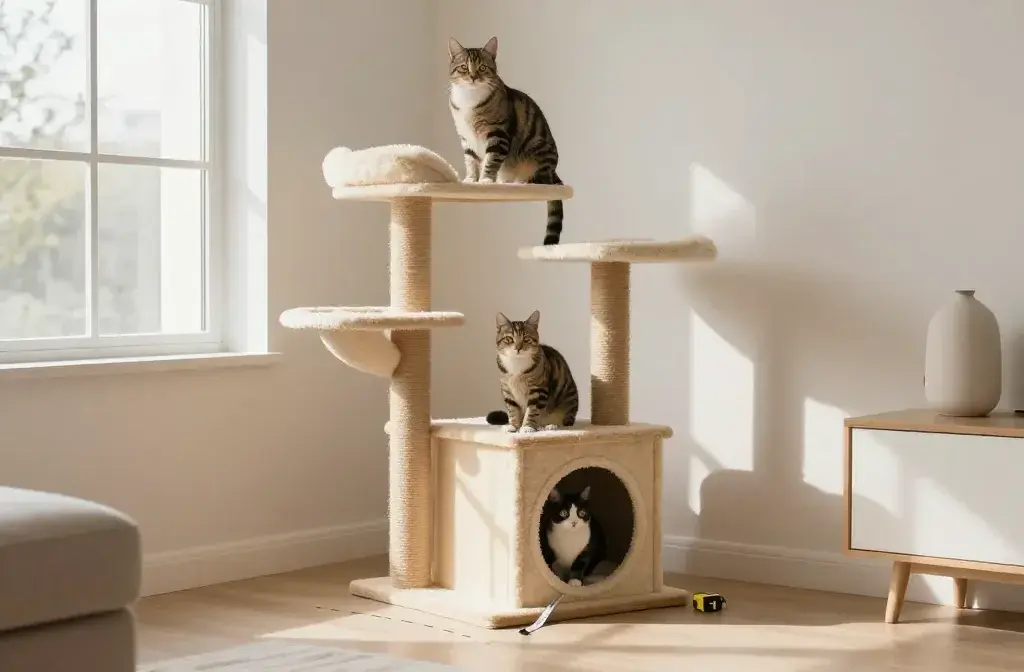
Your cat doesn’t just want a place to nap—they want a throne, a jungle gym, and a lookout tower rolled into one. The right cat tree keeps claws off your furniture, zoomies off your countertops, and boredom out of your cat’s day. But with a million options out there, how do you pick the perfect one? Let’s break it down without the fluff (okay, maybe a little fluff).
Know Your Cat: Personality Dictates the Tree
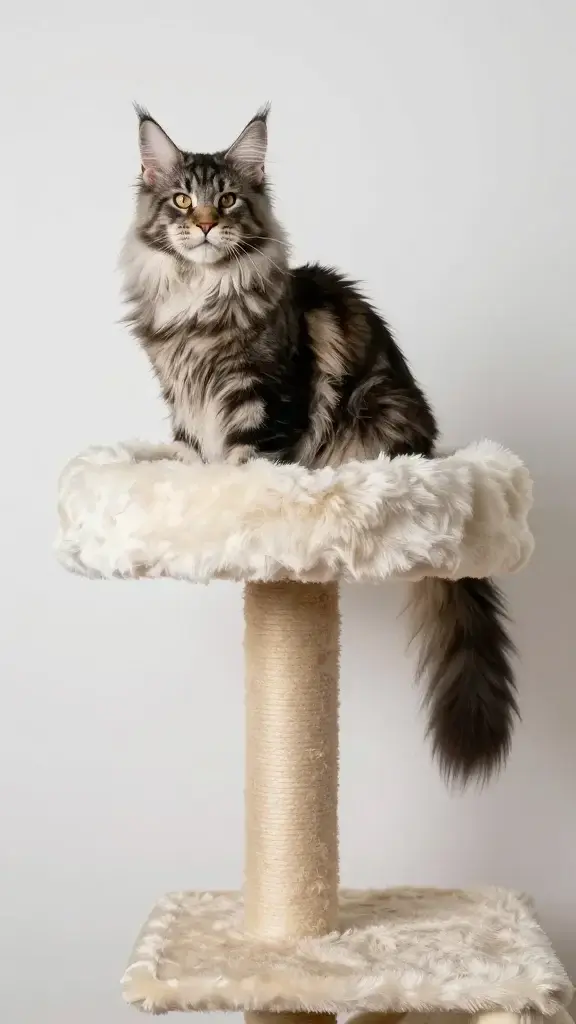
You shop for your cat tree based on your cat, not your decor. A shy cat wants hideouts and low platforms. A confident climber wants height and open perches.
- For kittens or seniors: Choose gentle ramps, wider steps, and lower platforms. Avoid super tall trees with tiny landings.
- For athletic jumpers: Go tall with staggered platforms and high perches for window-gazing.
- For big breeds (Maine Coon, Ragdoll): Look for extra-sturdy bases and oversized perches—12 inches won’t cut it.
- For anxious or shy cats: Pick trees with enclosed cubbies and side walls so they can peek out safely.
Measure Your Space (and Your Cat)
Grab a tape measure, not hope. Measure the spot where the tree goes and your cat’s length when stretched out. If your cat’s a loaf with legs, get platforms and beds at least 1.5x their body length. FYI, corner placement usually stabilizes tall trees and saves floor space.
Height: How Tall Is “Tall Enough”?
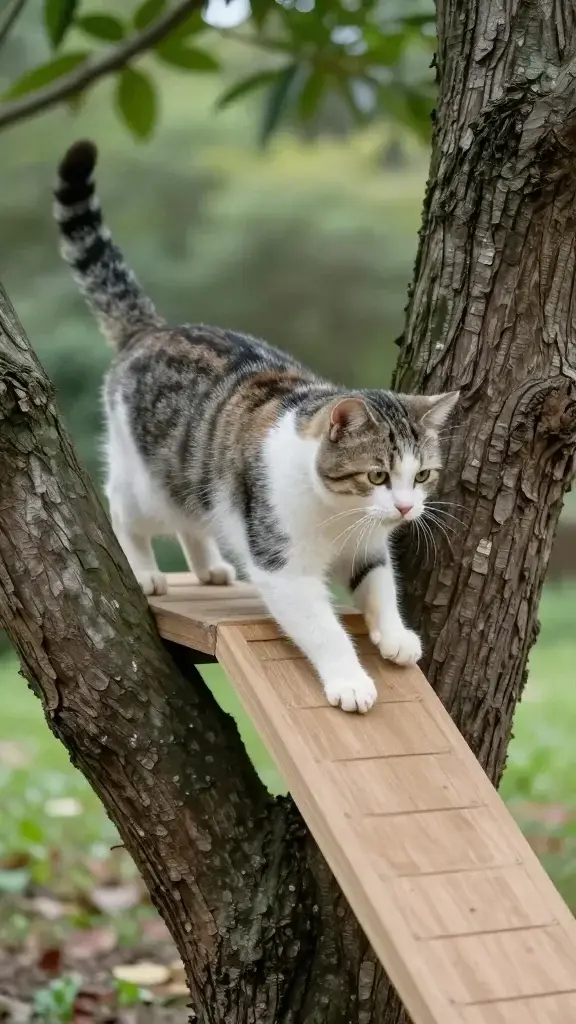
Cats love vertical territory because it gives them control. More height usually means more peace (and fewer feuds if you have multiple cats). But height without stability equals chaos.
- Under 40 inches: Best for seniors, small spaces, or as a secondary tree.
- 40–60 inches: Great all-rounder range. Enough vertical interest without wobble scares.
- 60 inches and up: Ideal for active cats—just confirm the base and wall anchoring.
Ceiling Tension Poles: Worth It?
Ceiling-height trees with tension poles save floor space and deliver major vertical real estate. They work best on solid ceilings and with cats who love to climb. Make sure the pole actually tightens securely and the platforms don’t spin. Wobbly telescoping poles equal instant feline nope.
Stability: The Non-Negotiable
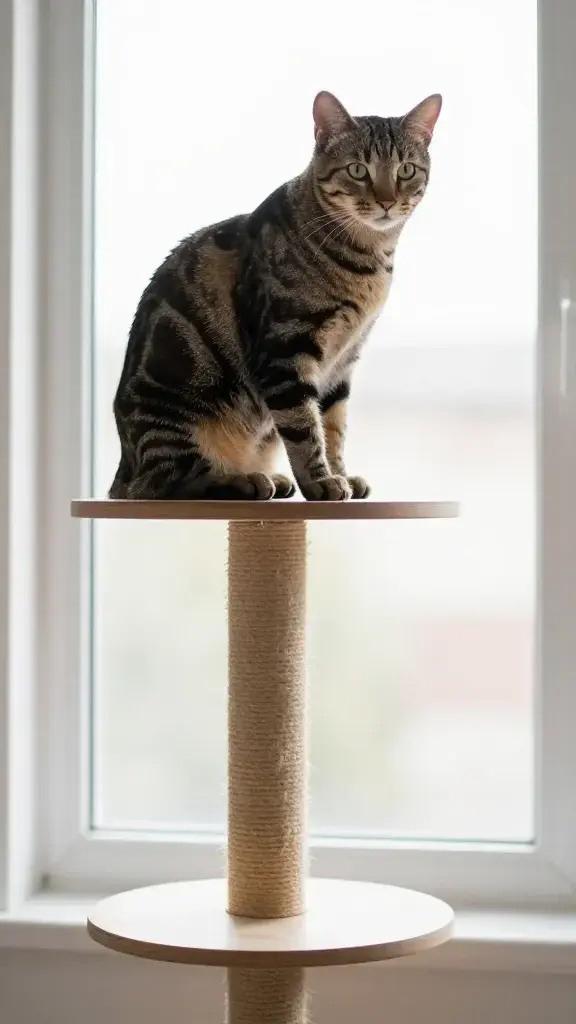
If the tree shakes, your cat will boycott it. Stability is the hill we die on.
- Base width: Look for a base at least as wide as the tallest perch is high/3. Example: 72-inch tree = ~24-inch base minimum, more if you have big cats.
- Weight: Heavier trees feel safer. Solid wood beats hollow tubes every time.
- Anchoring: Wall anchors = chef’s kiss. Especially for multi-cat households or zoomie hour.
- Hardware: Metal fasteners > plastic connectors. Hand-tightened knobs loosen; bolts stay put.
Multi-Cat Stability Tips
If two or more cats use the tree, assume chase scenes will happen. Stagger platforms so no one gets cornered at the top. Add a second exit route (another perch or ramp) so the low-status cat can retreat without bailouts.
Materials: What Your Cat Will Scratch, Sleep On, and Destroy
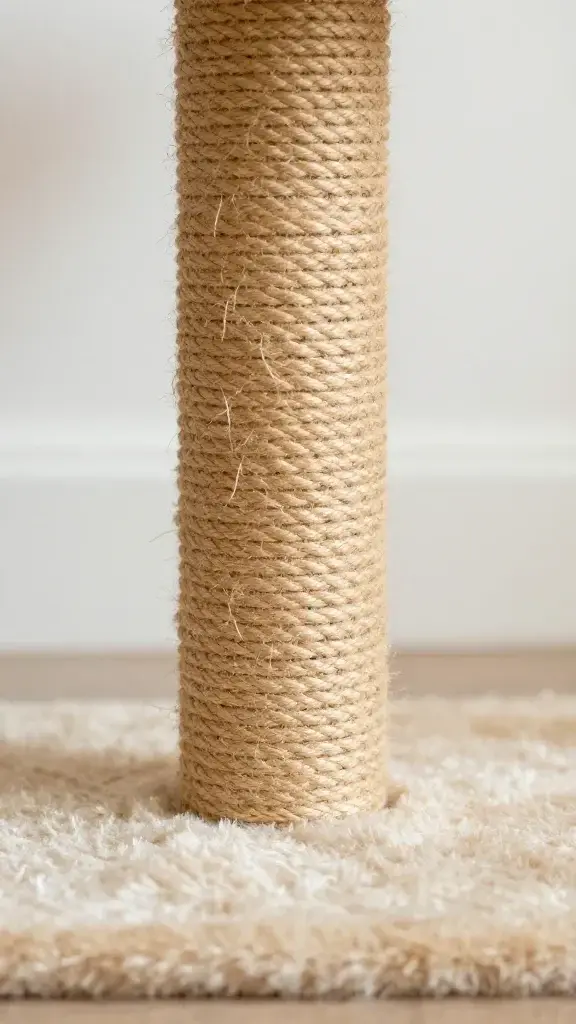
Not all cat trees age gracefully. Materials decide whether your investment lasts a year or a week.
- Posts:
- Sisal rope: Classic, grippy, replaceable. Look for tight, even wraps.
- Sisal fabric: IMO the best—flatter weave, longer-lasting, and quieter. Cats love the pull.
- Carpet-wrapped: Comfy but wears fast and can snag claws. Good for lounging, meh for scratching.
- Platforms/Perches:
- Plywood or solid wood: Strong and stable. Avoid thin particle board on tall trees.
- Padding: Removable, washable pads beat glued-on faux fur for cleanliness.
- Coverings: Faux fur feels plush but traps fur. Short-pile microfiber cleans easier. Bonus points for removable covers.
Eco and Health Considerations
Want fewer chemicals near your purr goblin? Choose low-VOC finishes and natural sisal. Avoid cheap dyes (they can bleed) and mystery glues. If your cat licks everything (we all know one), sealed wood and tightly woven sisal fabric reduce fiber shedding.
Design Details That Matter More Than You Think
The small features make the daily difference. Here’s what actually changes your cat’s behavior and your sanity.
- Perch size: Aim for 14–18 inches for average cats, 18–20 inches for big chonks.
- Lip/rail height: A 1–2 inch lip keeps naps secure without turning into a wall that blocks view.
- Step spacing: 10–14 inches between levels works for most cats. Kittens/seniors need smaller gaps or ramps.
- Hammocks and baskets: Heavenly for snugglers, terrifying for nervous cats. Test with a low hammock first.
- Toys: Dangly toys look cute but become targets. Choose replaceable attachments or skip them and add your own.
- Scratching orientation: Vertical posts for full stretches, horizontal pads for variety. Offer both if space allows.
Placement: Where You Put It = Whether They Use It
Place the tree where your cat already hangs out—near a window, by the couch, or in your office. Avoid dead zones or tucked-away corners they ignore. If your cat guards territory, give them a clear view of hallways and doorways from the top perch. Instant feline security system.
Assembly, Maintenance, and Longevity
You don’t want a tree that’s disposable. A little planning keeps it feeling new.
- Assembly: Pre-drilled holes, labeled parts, and real instructions save your Saturday. If the brand hides the manual online, red flag.
- Replaceable parts: Posts and pads that you can swap out extend life big-time. Some brands sell post refills—gold.
- Cleaning: Lint roller weekly, vacuum monthly, deep clean quarterly. Removable covers? Bless.
- Tightening schedule: Re-tighten hardware after the first week, then every 1–2 months. Less wobble, more confidence.
Budget vs. Value
You can score decent trees under $100, especially for small cats. But for big cats or tall builds, spending more on solid materials pays off. Think cost-per-year, not sticker shock. A $250 tree that lasts five years beats a $70 tree that collapses in six months, IMO.
Quick Shopping Checklist
Use this when you’re staring at product pages and second-guessing everything.
- Dimensions: Height, base width, perch sizes listed clearly.
- Materials: Sisal fabric or tight sisal rope, plywood/solid wood, sturdy hardware.
- Stability: Wide base, heavy weight, optional wall anchor.
- Cat fit: Perches 14–20 inches depending on size; step spacing 10–14 inches.
- Design: Mix of hideouts and open perches; horizontal + vertical scratch options.
- Care: Removable/washable covers; replaceable posts.
FAQs
How tall should a cat tree be for a single indoor cat?
Aim for 40–60 inches for most homes. It gives enough vertical territory without dominating your living room. If your cat loves height or window patrol, you can go taller—just add a wall anchor for safety.
Is sisal rope or sisal fabric better?
Both work, but sisal fabric usually wins for durability and scratch satisfaction. It offers a consistent surface and resists unraveling. If you already have rope and your cat loves it, no need to switch—just choose tight, even wraps.
What if my cat ignores the new tree?
Move it near a favorite window or nap spot, sprinkle catnip or silvervine, and play on it with wand toys. Feed a few treats on each level to create positive vibes. If the tree wobbles, tighten it—cats avoid shaky structures like they owe taxes.
Can big cats use standard cat trees safely?
Yes, if you choose wisely. Look for wider perches (18–20 inches), a heavy base, and posts thicker than 3.5 inches in diameter. Avoid tall, narrow, top-heavy designs—those tip when a 16-pounder launches.
How many cat trees do I need for multiple cats?
At least one tall tree plus a secondary perch or window shelf helps reduce tension. Give each cat a high spot and escape route. Two smaller trees often work better than one massive tower if your cats don’t like sharing.
Do I need to replace scratching posts regularly?
Not on a schedule, but when the sisal smooths out or shreds into fluff, swap it. Some brands sell replacement posts; others let you rewrap with new sisal. Rotating the most-used post 90 degrees can squeeze out extra life, FYI.
Conclusion
The perfect cat tree matches your cat’s personality, your space, and your tolerance for wobbles (which should be zero). Prioritize stability, quality materials, and cat-appropriate design, and you’ll get a throne your feline actually uses. Choose smart once, and your sofa will thank you—so will your cat, in their own silent, judgy way.