
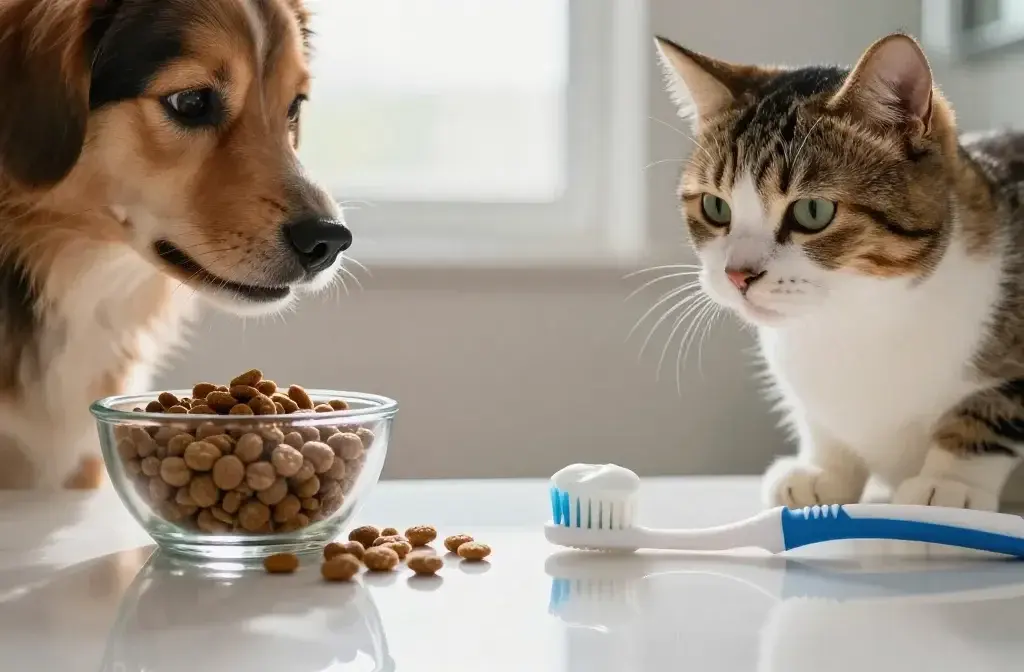
You’ve seen the shiny “dental” kibble bags promising fresh breath and squeaky-clean teeth. Sounds convenient, right? Pour, crunch, done. But does that crunchy magic actually scrub your dog’s or cat’s teeth? Short answer: sometimes, a little. Long answer: it’s complicated, and you still need a toothbrush. Sorry.
What “Dental Diet” Kibble Claims to Do
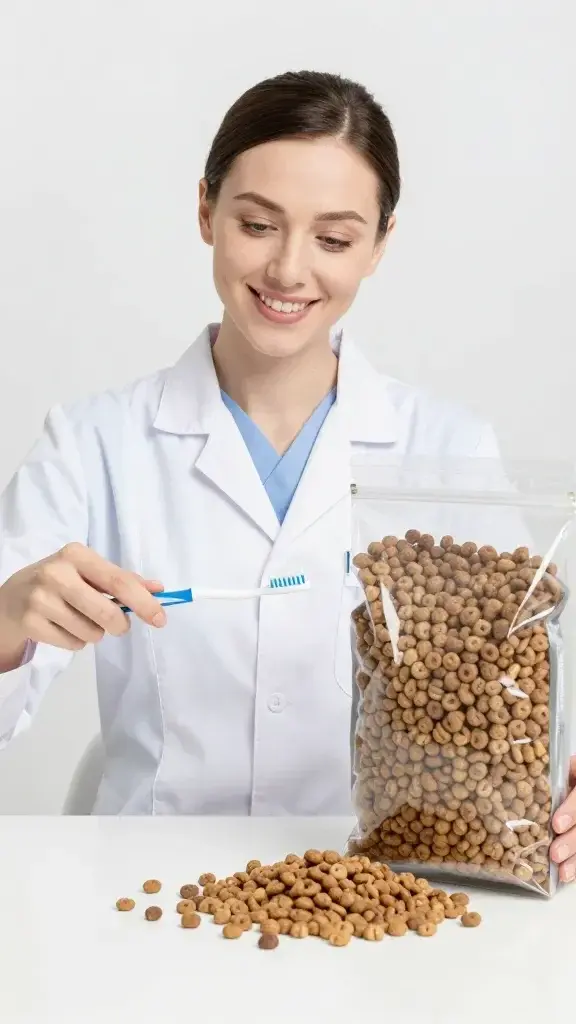
Brands pitch dental kibble as a two-for-one: food that feeds and cleans. The idea is simple. The kibble uses a specific shape and texture to mechanically scrape plaque as your pet chews.
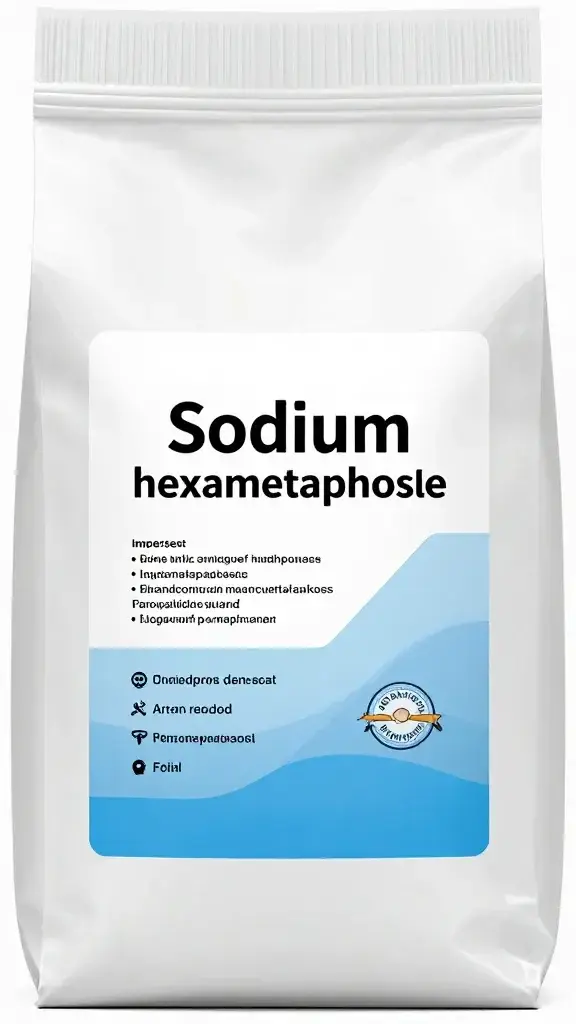
Some products add ingredients like sodium hexametaphosphate to help reduce tartar formation. Fancy, right? It helps, but it’s not a miracle potion.
The Science: What Actually Cleans Teeth?
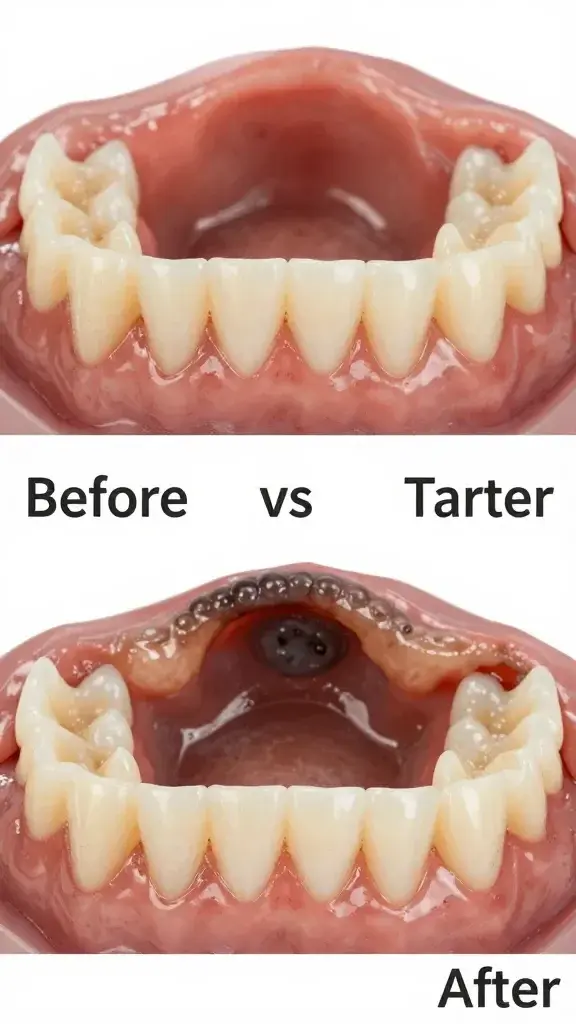
Let’s break it down. Dental issues in pets mostly start with plaque (soft, sticky bacteria gunk). Plaque turns into tartar (hard, cement-like stuff) in a day or two. Once tartar forms, only a professional cleaning removes it.
So what prevents plaque and tartar best?
- Toothbrushing – Daily brushing with pet-safe toothpaste wins. Nothing beats it. Boring, yes. Effective, absolutely.
- Mechanical chewing – Chewing on the right texture can help reduce plaque. Not all chews or kibbles work equally.
- Anti-tartar additives – Some ingredients slow mineral buildup. Helpful, not curative.
Does Kibble Seriously “Scrub” Teeth?
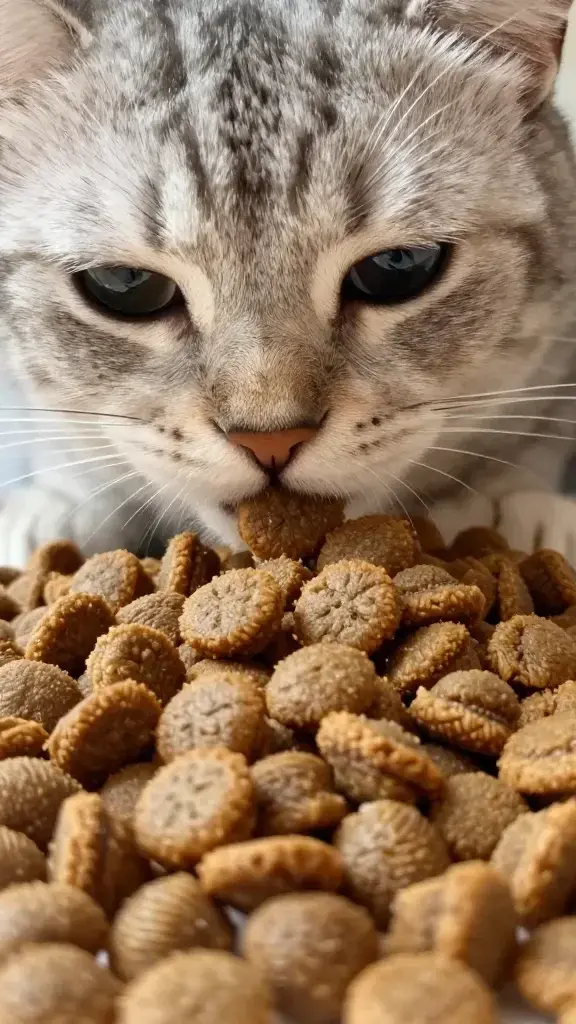
Kind of. Standard kibble shatters on the first crunch, so it barely scrapes. Some dental kibbles are bigger and designed to make pets gnaw through them instead of crushing them instantly. That added contact can reduce plaque—but only on the teeth that actually do the chewing. Back molars get the love; front teeth and inner surfaces? Not so much.
How to Spot Legit Dental Kibble (Hint: Look for VOHC)
You’ll see a lot of marketing fluff. To filter the noise, look for the VOHC Seal (Veterinary Oral Health Council). VOHC reviews data and awards seals to products that meet their standards for plaque and/or tartar reduction.
Why this matters:
- The VOHC seal means the product showed measurable benefit in controlled studies.
- Some products reduce plaque, others reduce tartar, a few do both. Check which one you’re buying.
- No seal? Doesn’t mean it’s useless, but IMO it means “trust but verify.”
Ingredient Add-Ons That Actually Do Something
- Sodium hexametaphosphate – Binds calcium to slow tartar formation.
- Zinc salts – Can reduce plaque and bad breath bacteria.
- Chlorhexidine – Common in rinses and gels, not usually kibble, but FYI it’s legit.
What Dental Kibble Can and Can’t Do
Let’s set realistic expectations.
What it can do:
- Help reduce plaque and tartar buildup, especially on chewing surfaces.
- Freshen breath a bit (don’t expect minty perfection).
- Offer a low-effort upgrade for pets who refuse brushing, at least as a partial measure.
What it can’t do:
- Replace brushing. I wish it could. It can’t.
- Remove existing tartar or treat gum disease.
- Guarantee benefits if your pet just swallows kibble whole (some champs absolutely do this).
For Cats vs. Dogs
Cats often swallow smaller kibble whole. Dental-specific cat kibble tends to be larger and fibrous to encourage chewing. Dogs vary more—some inhale food, some crunch like champs. Bigger kibble sizes help both species actually chew.
Common Myths That Need to Retire
- “Any dry food cleans teeth.” Nope. Regular kibble shatters and doesn’t scrape much.
- “Bones clean teeth safely.” Risky. Hard bones can crack teeth. If you want chews, choose VOHC-approved dental chews instead.
- “Bad breath is normal.” Chronic stink usually means dental disease. Don’t mask; investigate.
How to Build a Realistic Dental Routine
You don’t need to become a full-time pet hygienist. Stack small wins.
Starter plan:
- Daily brushing – Even 30 seconds per side helps. Use pet-safe toothpaste only.
- Add a VOHC-approved dental kibble or chew – Great backup and booster.
- Use a water additive or gel – Choose vet-recommended options.
- Schedule professional cleanings – Frequency depends on your pet’s mouth, breed, and age.
Pro Tips to Make Brushing Not Awful
- Go slow. Start with finger rubs, then a finger brush, then a soft-bristle brush.
- Reward after every session. Praise, treat, party. Make it a thing.
- Focus on the outer surfaces of teeth. That’s where plaque hides most.
Nutrition and Dental Health: The Undercover Connection
Diet influences oral health beyond texture.
Things that help:
- Balanced nutrition – Healthy gums come from good overall health.
- Appropriate kibble size – Big enough to encourage chewing.
- Limited sticky treats – Go easy on soft, sugary snacks that cling to teeth.
Breed factors:
- Small dogs and brachycephalics (think Yorkies, Pugs) build dental disease fast. They usually need more help than big dogs.
- Cats with stomatitis or resorptive lesions need veterinary care—no diet fixes that.
FAQ
Does dental kibble actually work?
It can help reduce plaque and tartar, especially if it has the VOHC seal and your pet chews it properly. It’s a helpful tool, not a cure-all. Combine it with brushing for real results.
Can dental kibble replace toothbrushing?
Nope. Brushing wins every time. Use dental kibble as a supplement, especially on days you skip brushing. Think of it as “extra credit,” not the main assignment.
Is wet food bad for teeth?
Not automatically. Wet food doesn’t “cause” dental disease by itself, but it offers less chewing action. If your pet eats mostly wet food, brushing and dental chews matter even more.
What if my pet just swallows kibble whole?
Then the cleaning benefits drop a lot. Try a larger dental kibble, a puzzle feeder to slow eating, or switch to VOHC-approved dental chews that force more gnawing.
How do I choose a good dental product?
Look for the VOHC seal, check your pet’s size and chewing style, and ask your vet for brand recs. Avoid super-hard items that can crack teeth, like antlers or cooked bones.
My pet already has tartar. Will dental kibble remove it?
No. Once tartar hardens, only a professional dental cleaning can remove it. After that, dental kibble and brushing help keep it from coming back as fast.
The Bottom Line
Dental kibble can help. Some of it actually does what it claims—if your pet chews it and it’s properly designed (VOHC seal for the win). But IMO, nothing replaces a toothbrush, a decent dental chew, and the occasional pro cleaning. Use dental diets as part of a layered plan, not your only move. Your pet’s mouth—and your nose—will thank you.