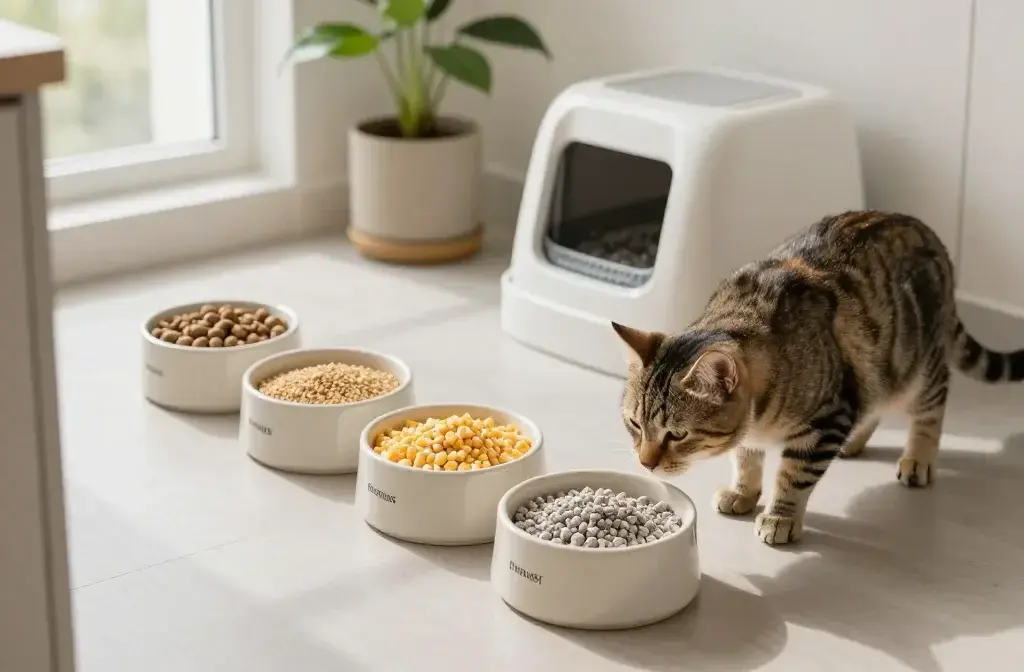
If your cat rules the house (of course they do), their litter box might be your least favorite kingdom. The dust, the smell, the plastic bags—ugh. The good news? Eco-friendly litters can handle the mess without trashing the planet. Let’s dig into four popular options—pine, wheat, corn, and recycled paper—and find out what actually works for you and your feline overlord.
Why Switch to Eco-Friendly Cat Litter?
You don’t need to hug a tree to want cleaner air in your home. Traditional clay litter kicks up dust, tracks everywhere, and often comes from strip-mined clay. Hard pass. Plant-based and recycled options cut down on dust, reduce landfill waste, and in many cases smell better—naturally.
Bottom line: You get a cleaner box, a lighter environmental footprint, and fewer side-eye glares from your cat. Win-win-win.
Pine Litter: Forest-Fresh and Low Fuss
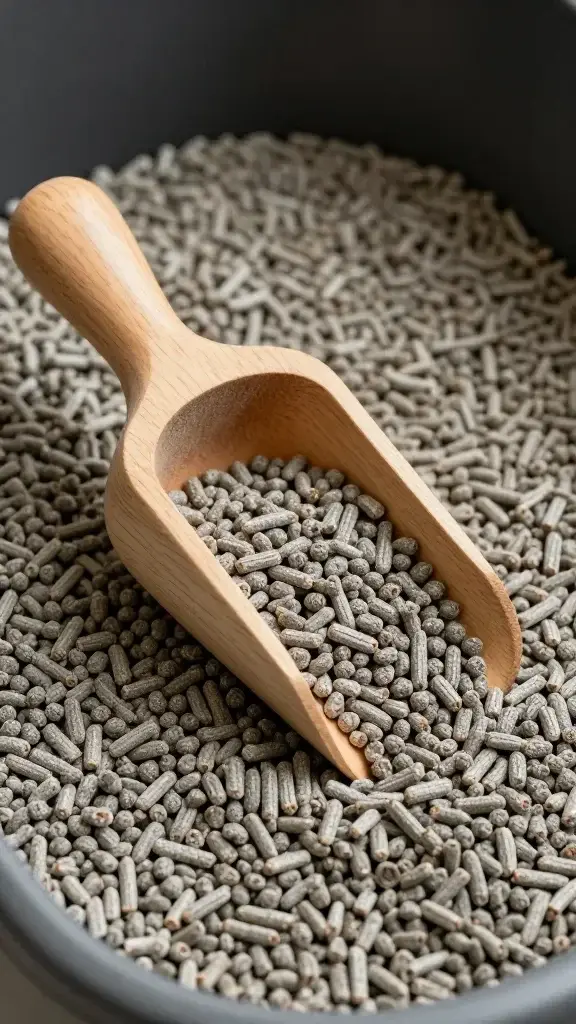
Pine litter usually comes as pellets or granules made from reclaimed wood. It smells like a cozy cabin, which already puts it ahead of a lot of options.
- Odor control: Excellent for urine. Pine neutralizes ammonia fast, especially the pellet types that break down into sawdust.
- Clumping: Pellet pine doesn’t clump; granular versions sometimes do, but not like clay.
- Dust and tracking: Very low dust. Pellets track less, but the sawdust can escape if you don’t sift regularly.
- Scoopability: You’ll need a sifting litter box or a second pan for the sawdust. Not hard, just different.
- Cat acceptance: Many cats like it, some don’t love the pellet texture. YMMV.
- Scent: Natural pine scent. Some humans adore it; a few say it’s strong. Cats usually don’t mind.
Best For
– People who want strong odor control without perfumes
– Multi-cat households that clean daily
– Owners who don’t mind a sifting setup
Watch Outs
– If your cat has sensitive paws, try softer granular pine
– Pine can be a “hard no” for cats used to fine clumping litters—transition slowly
Wheat Litter: Soft Texture, Surprising Clumps
Wheat litter flies under the radar, but it clumps shockingly well thanks to natural starches. It also feels soft and familiar to clay-trained cats.
- Odor control: Good, not amazing. It handles everyday smells, but you’ll notice if you skip a scoop.
- Clumping: Solid clumps that hold together—big win for easy scooping.
- Dust and tracking: Low to medium dust. Fine grains track more than pellets.
- Scoopability: Excellent. Use a standard scooper, no special tools.
- Cat acceptance: High, because the texture feels “normal.”
- Scent: Mild, almost bakery-like when fresh. No fake fragrances.
Best For
– Cats picky about texture
– Owners who want eco-friendly clumping without drama
Watch Outs
– Grain-based litters can attract pantry moths if you store them open—seal the bag
– If anyone in the house has a wheat allergy, maybe skip it, FYI
Corn Litter: Naturally Clumping and Nose-Friendly
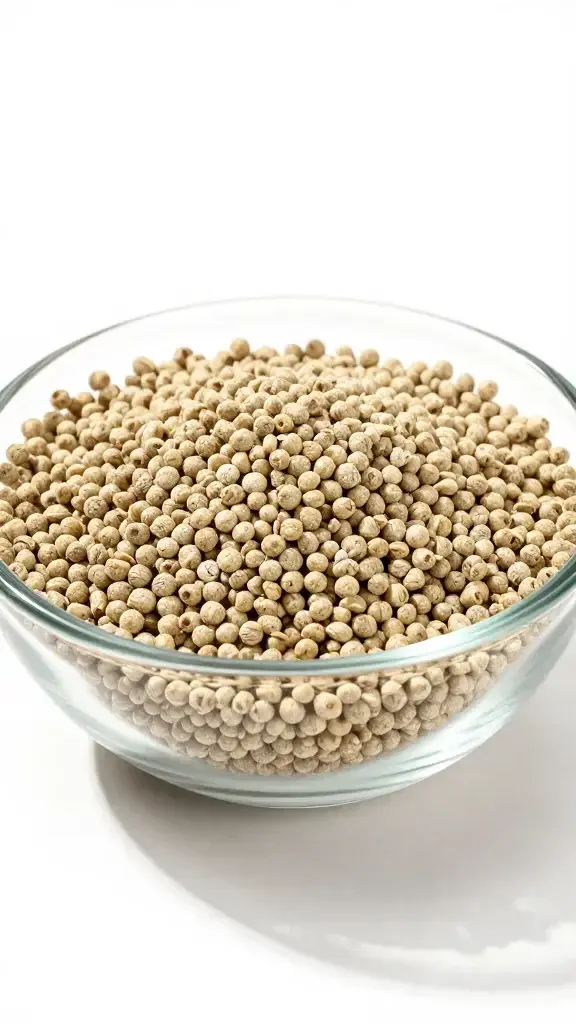
Corn litter shows up in a range of formulas—from fine-grain clumping to chunkier, low-dust options. It’s popular for a reason.
- Odor control: Very good. Some brands mix in plant enzymes that seriously minimize smells.
- Clumping: Fast and firm. Comparable to clay without the concrete vibes.
- Dust and tracking: Varies by brand. Generally low to moderate dust and moderate tracking.
- Scoopability: Excellent. Feels familiar and fuss-free.
- Cat acceptance: High. Most cats switch easily.
- Scent: Light, slightly sweet. Not everyone notices it, IMO.
Best For
– Households that want strong clumping with less dust than clay
– People who scoop daily and want minimal ammonia whiffs
Watch Outs
– Very rarely, corn-based litter can grow mold if stored in damp conditions—keep it dry
– If your pet has a grain-sensitive diet and eats everything (looking at you, dogs), supervise
Recycled Paper: Gentle, Quiet, and Great for Recovery
Recycled paper litters come as pellets or soft granules. They’re basically the zen option—no dust clouds, no scratchy noise, just calm.
- Odor control: Pellet paper litters rely on absorption, not scent control. Good for short-term, but you must scoop diligently.
- Clumping: Usually non-clumping. Some granular formulas clump a bit, but don’t expect clay-level balls.
- Dust and tracking: Ultra low dust. Pellets track the least of almost any litter.
- Scoopability: Easy for solids; urine gets absorbed and needs full changes more often.
- Cat acceptance: Mixed. Many cats are fine; some prefer a sandier feel.
- Scent: Neutral. No perfumes, which is great for sensitive noses.
Best For
– Post-surgery cats or declaw recovery (soft, gentle, and non-abrasive)
– People who want zero dust and minimal tracking
Watch Outs
– You’ll change the whole box more often, which can increase ongoing cost
– If you want strong clumping, this isn’t it
Head-to-Head: Which Litter Fits Your Life?
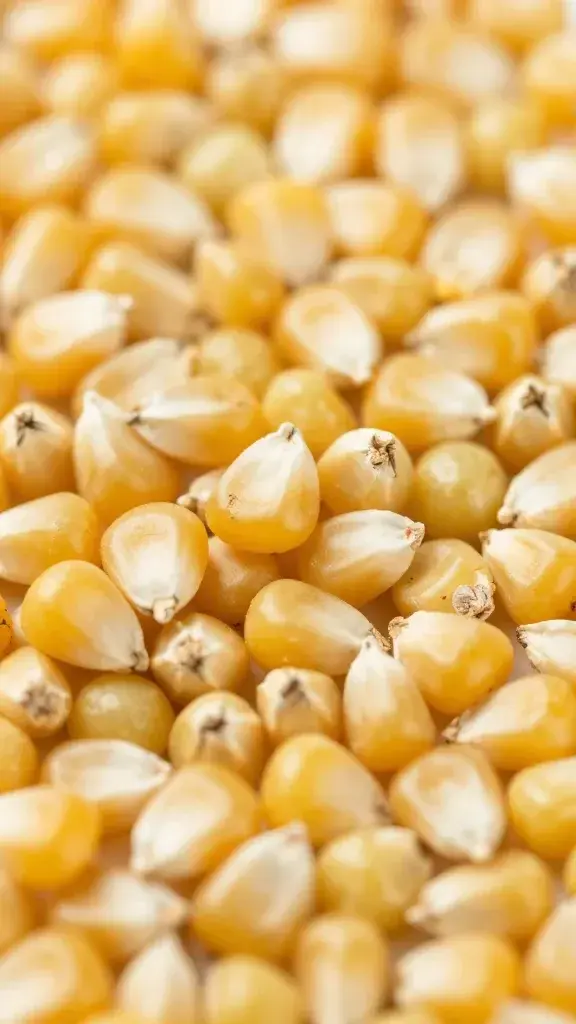
Let’s match litters to priorities, because nobody has time for 12 experiments.
- Strongest odor control: Pine (for urine), Corn (overall)
- Best clumping: Corn and Wheat
- Least dust: Recycled Paper and Pine Pellets
- Least tracking: Pine Pellets and Paper Pellets
- Softest texture: Wheat and fine-grain Corn
- Budget-friendly: Pine Pellets (often cheapest per pound), then Wheat
- Most “clay-like” feel without the clay: Corn and Wheat
How to Transition Without a Feline Revolt
Cats do not love change. They do love routine, naps, and judging you. So switch gradually.
- Start with 25% new litter mixed into their usual litter for a few days.
- Move to 50/50 for a week. Scoop more often to keep it inviting.
- Go to 75% new litter, then all-in if your cat keeps using the box.
- Offer a second box with the new litter solo if you have space—many cats “choose” it faster.
Pro tip: Keep the box super clean during the switch. A clean box sells the new litter better than any marketing claim.
Environmental Impact: What Actually Matters
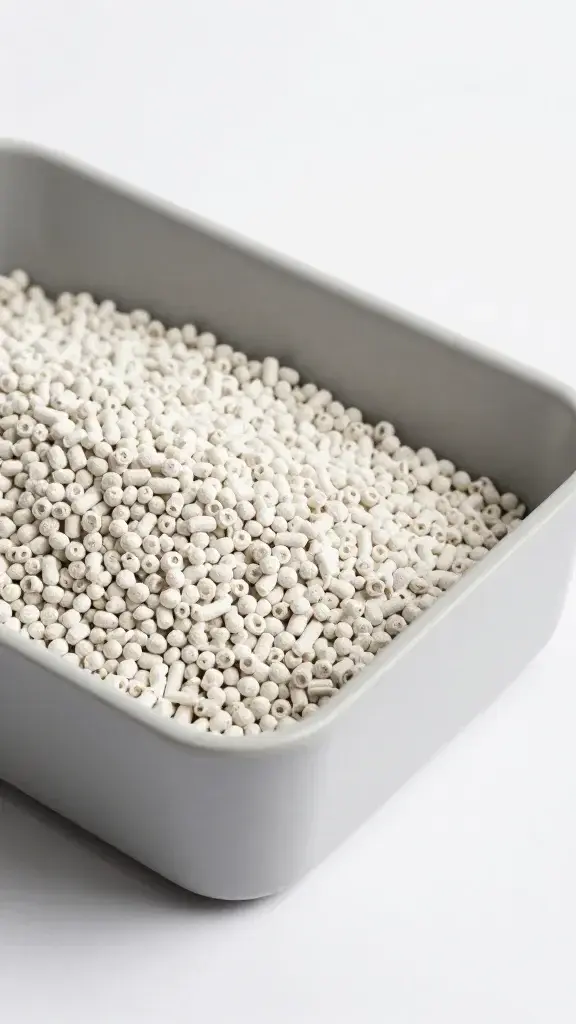
You want greener choices that still work. Look for:
- Materials: Reclaimed wood (pine), agricultural byproducts (wheat, corn), or recycled paper.
- Packaging: Paper bags or recyclable materials beat plastic jugs.
- Biodegradability: These litters break down faster than clay. Don’t compost used litter if it contains feces—parasites can persist.
- Flushability: Ignore the “flushable” hype unless your local laws and plumbing allow it. Many municipalities say no, and IMO it’s not worth the risk.
FAQ
Can I flush eco-friendly cat litter?
Short answer: I wouldn’t. Even if the bag says “flushable,” many cities prohibit it due to parasite concerns like Toxoplasma gondii. It can also clog plumbing. Bag it and trash it, or check local composting rules for urine-only litter (rare).
Will my cat actually use pine or paper pellets?
Many do, but texture-sensitive cats prefer finer grains. Start with a gradual mix-in and consider granular versions of pine or paper if pellets feel too chunky for your kitty.
Is corn or wheat litter safe if my pet eats it?
A few curious pets nibble it. Small tastes usually cause no drama, but discourage the habit. Store the bag sealed and switch if your pet keeps snacking on it. If your dog treats the litter box like a buffet, you may want pellets or covered setups.
Do eco-friendly litters cost more?
Sometimes, but not always. Pine pellets often cost less per month because they last. Corn and wheat can match premium clay prices, but you may scoop less because they clump efficiently. Track usage for a month to see your true cost.
Which litter is best for multi-cat homes?
Corn and pine handle odors well under pressure, and wheat’s strong clumping helps with frequent scooping. Use larger boxes and scoop twice daily. Your nose will thank you.
How often should I replace eco-friendly litter completely?
– Clumping (corn, wheat, some granular pine): Top off as needed and fully replace every 3–4 weeks, depending on cats and box size.
– Non-clumping (pine pellets, paper pellets): Scoop solids daily and replace the whole pan every 1–2 weeks, or when saturation hits.
Final Take: My Honest Picks
If you want clay-like performance with greener creds, corn or wheat makes the switch painless. If you crave maximum odor control with minimal dust, go pine pellets and a sifting box. For sensitive paws or post-op kitties, recycled paper keeps things gentle and tidy.
IMO, the sweet spot for most homes is corn for everyday use and pine pellets as a stellar backup or second box. Your cat might vote differently, though—and their vote counts triple. Try a small bag first, transition slowly, and let your furry tyrant decide.