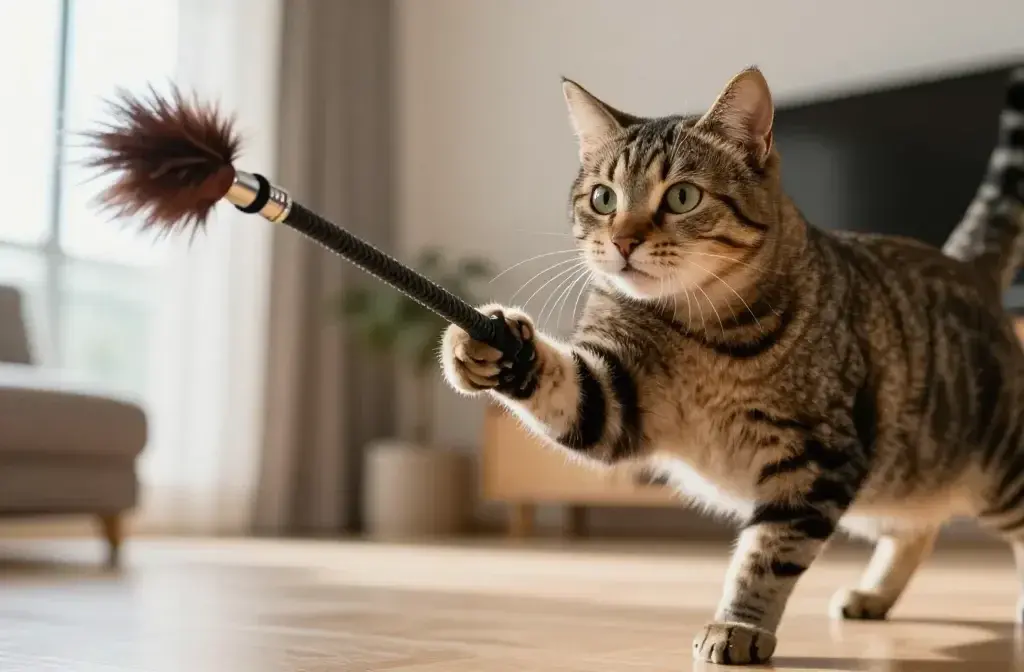
Cats don’t just play—they hunt, pounce, and absolutely annihilate toys that look at them funny. If your wand toys die in two swats and a dramatic bunny kick, you’re in the right place. Let’s talk about the wand toys that actually last, even with heavy hitters and serial string biters. You want action, durability, and zero fluff (well, except the kind attached to the toy).
What Makes a Wand Toy “Durable,” Anyway?
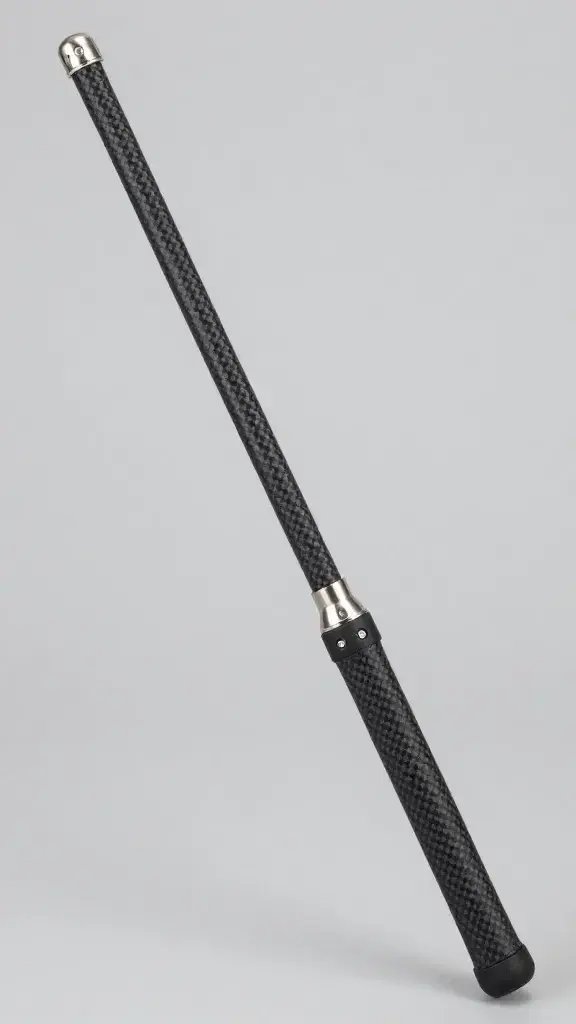
Durability isn’t just “did it survive one chaotic Tuesday.” It’s materials, construction, and how each part handles power chomps and airborne twists. Strong components matter more than flashy feathers.
Key durability factors:
- Rod strength: Fiberglass or carbon fiber beats flimsy plastic. Wood can work if it’s solid and varnished.
- Connector hardware: Metal swivels and clips > plastic snap-ons. Less breakage, smoother movement.
- String/cord: Braided nylon or paracord outlasts elastic; wire cables resist chewing but require care.
- Lure body: Leather, suede, faux fur over fabric strips. Double-stitched seams only, please.
- Replaceable parts: If you can swap lures, the toy lives longer. Easy math.
Top Wand Designs That Survive Aggressive Play
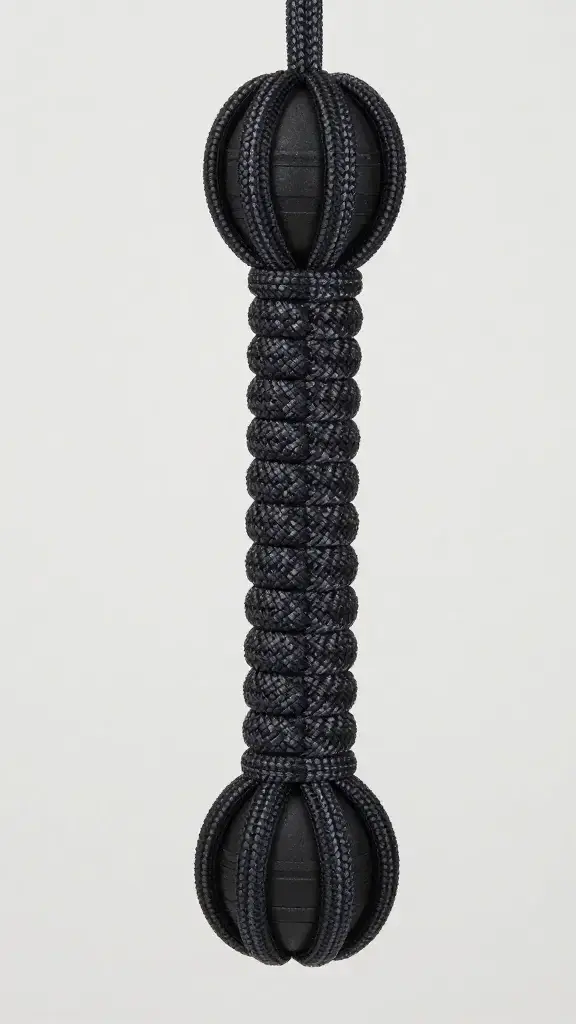
Some toys advertise “indestructible” and then explode on contact. Others quietly take a beating and ask for more. These designs consistently hold up.
1) Fiberglass Wand + Braided Cord + Leather Lure
This combo hits the sweet spot for strength and safety. Fiberglass rods flex without snapping, braided lines resist teeth, and leather lures survive bunny kicks.
Why it works:
- Controlled flex reduces stress on your wrist and the toy.
- Leather doesn’t shred like feathers; it ages into “prey patina.”
- Simple construction = fewer failure points.
2) Carbon Fiber Rods With Metal Swivels
You want aerial acrobatics? Carbon rods give crisp movement and don’t warp. Add a ball-bearing swivel and you eliminate tangles (and your cat’s chance to chew the knot mid-frenzy).
Best for: Cats who love fast, erratic motion and try to break the sound barrier.
3) Wire-Lead Teasers (with Safety Tips)
A thin, coated wire resists chewing better than string. When used with a soft lure and a rounded crimp, it’s surprisingly cat-proof.
Heads up: Never leave wire toys out. Store them safely to avoid bends or pokes.
4) Modular Wands With Interchangeable Lures
You’ll spend more upfront, but modular systems save you money and frustration. Swap broken lures in seconds, keep the tough wand forever.
Look for:
- Universal clip sizes (lobster clasps or snap swivels)
- Reinforced lure loops
- Replacement parts sold individually
Materials That Actually Last (And Ones That Don’t)
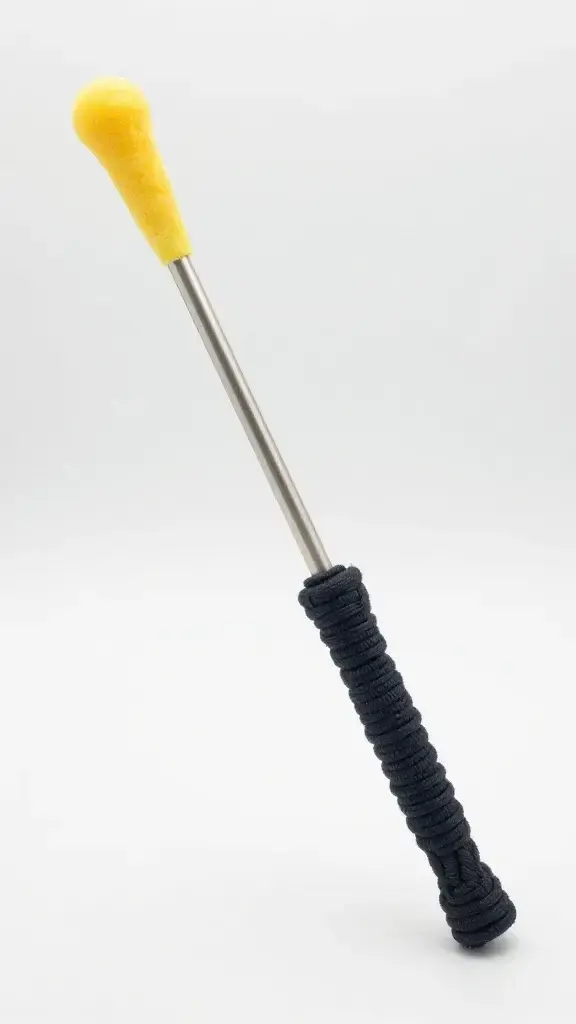
Let’s call it: some materials only look cute on Instagram.
Best-in-class materials:
- Leather/Suede: Tough, chewy, and satisfying to rake.
- Faux Fur on Heavy Stitching: The fur gives “prey,” the stitching gives longevity.
- Braided Nylon or Paracord: Chew-resistant and tangle-light.
- Carbon Fiber/Fiberglass Rods: Durable, lightweight, and flexible.
- Metal Hardware: Swivels, crimps, and clips that don’t fail mid-pounce.
High-risk materials (IMO):
- Elastic/Bungee cords: Fun snap, but they fray fast and can recoil dangerously.
- Feathers-only lures: Gorgeous for 2 minutes. Then: feather confetti.
- Thin cotton string: Tangles, frays, and invites a good swallow (hard pass).
Specific Wand Styles I’d Buy Again
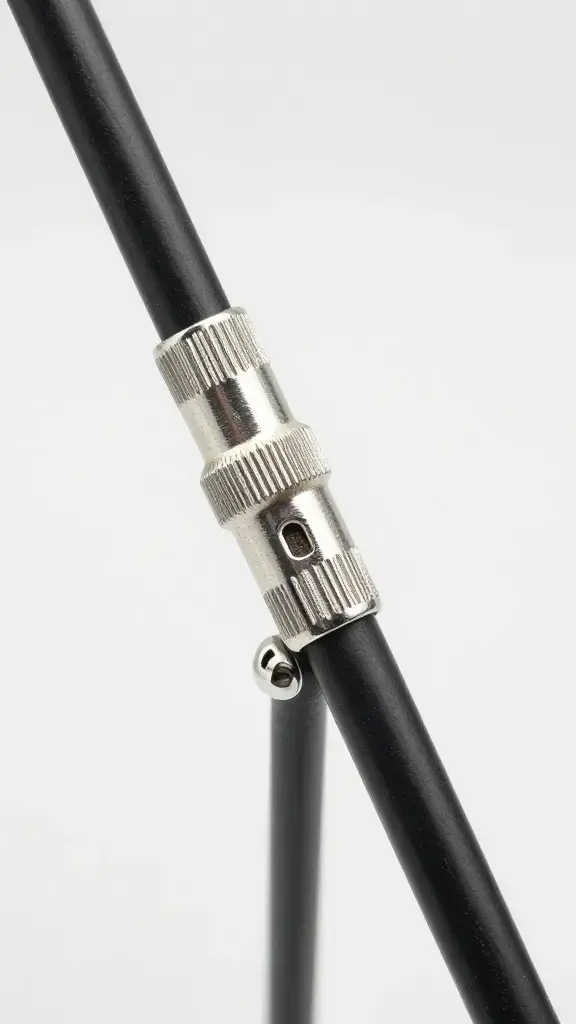
I won’t name brands here, but I’ll give you shopping profiles. Search by these specs and you’ll find proven winners.
Heavy-Duty Hunter
- Rod: 24–32 inch fiberglass
- Line: Braided nylon, 24–36 inches
- Lure: Leather tassel or suede strip with double stitching
- Hardware: Metal swivel + lobster clip
Who it’s for: Power chewers and cats who body-slam their prey.
Airborne Acrobat
- Rod: Carbon fiber, telescoping to 36–42 inches
- Line: Coated stainless wire or strong monofilament
- Lure: Faux fur “mouse” with hidden squeaker (optional)
Who it’s for: High-jumpers who want unpredictable flight paths.
Daily Driver (Budget-Friendly)
- Rod: Solid plastic core with fiberglass coating
- Line: Paracord
- Lure: Replaceable, simple leather tab or fabric worm with tight weave
Who it’s for: Multi-cat homes where toys take a beating every night.
Build Quality: What to Check Before You Buy
Don’t get dazzled by cute. Inspect the guts.
- Connection points: Tug on the clip and knot. If it loosens in your hand, it’ll give up mid-play.
- Seams: Double or triple stitching only. Hot glue alone = no.
- Rod flex: Bend slightly—no creaks, no whitening. A tiny bit of whip is ideal.
- Swivel action: Spin the clip. It should rotate smoothly without sticking.
Pro tip: Upgrade the Weakest Link
If you love a wand but hate the string, replace it. Clip off the factory line and tie on paracord. Swap plastic clips for a small stainless snap swivel. Suddenly, “meh” becomes “monster-proof.”
How to Make Any Wand Last Longer
Even the toughest toys need a little strategy. Think durability plus smart handling.
- Rotate lures: Keep novelty high and stress low. Cats don’t need the same lure every day.
- Store it high: Wand toys are not “leave out” toys. Hang them up to prevent solo chewing.
- Set the pace: Mix quick bursts with slower “stalking.” Less constant yanking = less wear.
- End with a “kill” and treat: Let your cat “win” to reduce frustration and over-rough play.
- Quick repairs: Keep needle, heavy thread, and spare clips handy. A 2-minute fix adds months.
Safety Notes (Because We Like Vets, Not Emergencies)
- Supervise always: Strings and wires can tangle fast.
- Check for loose bits: Trim frays and retire lures that shed chunks.
- Mind the rebound: No bungee cords with aggressive pullers—snaps hurt.
Signs Your Cat Will Destroy Most Toys (And What to Do)
Some cats play like demolition crews. It’s not bad—it’s enthusiasm.
Red flags for toy carnage:
- Instant string chewing and knot targeting
- Full-body takedowns with back-leg kicking
- Wrenching the lure and dragging it under furniture for “interrogation”
Adjust the setup:
- Pick leather or dense faux fur over feathers
- Use shorter lines to reduce leverage
- Choose metal hardware and wire/cord instead of elastic
- Practice “give and take” instead of tug-of-war to avoid snap-offs
FAQ
Are wire wand toys safe?
Used correctly, yes. Coated wire with rounded crimps resists chewing and reduces fraying risk. Always supervise, store the toy safely, and retire it if the wire kinks sharply.
What’s the best lure for cats who shred feathers?
Leather strips or suede tassels, hands down. They hold up to gnawing and bunny kicks and still deliver that satisfying “prey” feel. Faux fur mice with tight seams also work well.
How long should a high-quality wand toy last?
With regular, supervised play and off-the-floor storage, a durable wand and cord can last many months, even a year. Lures will wear faster, which is why replaceable options pay off, IMO.
Why do elastic cords break so fast?
Elastic stretches repeatedly under load and degrades with tooth marks and UV exposure. Aggressive play accelerates that wear. You get fun bounces early on, then an abrupt snap—sometimes literally.
Is carbon fiber overkill for cats?
Not if your cat plays like a tiny linebacker. Carbon fiber gives you precise control, strong flex, and a lightweight feel. If your wrist gets tired fast, it’s a worthy upgrade, FYI.
Can I DIY a durable wand toy?
Absolutely. Use a fiberglass driveway marker or carbon fishing rod tip, attach braided cord or light paracord, add a metal swivel, and finish with a leather lure. Keep knots tight and check the connections weekly.
Conclusion
If your cat plays like a wrecking ball, you don’t need to tap out—you just need gear built for impact. Focus on strong rods, braided or wire lines, metal hardware, and leather or tightly sewn lures. Go modular so you replace pieces, not the whole toy. Do that, and your wand won’t just survive; it’ll become the MVP of your nightly zoomies session, IMO.