
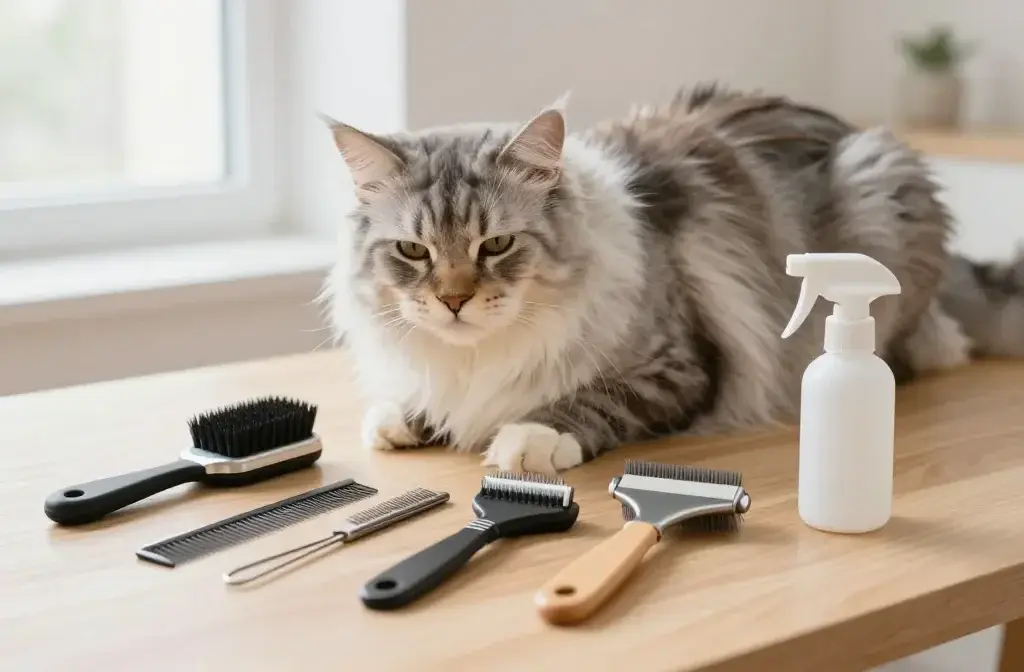
Your long-haired cat looks like a cloud with legs… until that cloud turns into dreadlocks. Mats can sneak up fast, and once they set in, they pull skin, trap dirt, and turn grooming into a battle of wills. The good news? With the right tools and a simple routine, you can keep that coat silky and your cat only mildly annoyed at you. Let’s set you up with a grooming kit that actually works.
Why Long-Haired Cats Mat (And Why You Should Care)
Long coats tangle because the undercoat sheds and gets trapped. Add friction from collars, naps, and zoomies, and you’ve got an instant knot factory. Mats don’t just look rough—they can cause skin irritation, pain, and even infections.
Here’s the kicker: prevention beats detangling every time. A few minutes a few times a week saves you from wrestling a furry tumbleweed that hisses.
The Core Toolkit: What You Really Need
Skip the random Amazon spree. Build a small, targeted kit. Five essentials cover 95% of grooming needs:
- Slicker brush: For daily to every-other-day maintenance and light tangles.
- Long-tooth metal comb: For root-to-tip checks and preventing hidden knots.
- Dematting tool (safety-edged): For early-stage mats you can salvage.
- Undercoat rake: For heavy shedders and seasonal coat blows.
- Grooming wipes or spray conditioner: For slip, static control, and hygiene.
Pro tip: Pick tools made for cats, not dogs. Cat skin is thinner and more sensitive. If a tool looks like a medieval weapon, hard pass.
The Slicker Brush: Your Everyday MVP
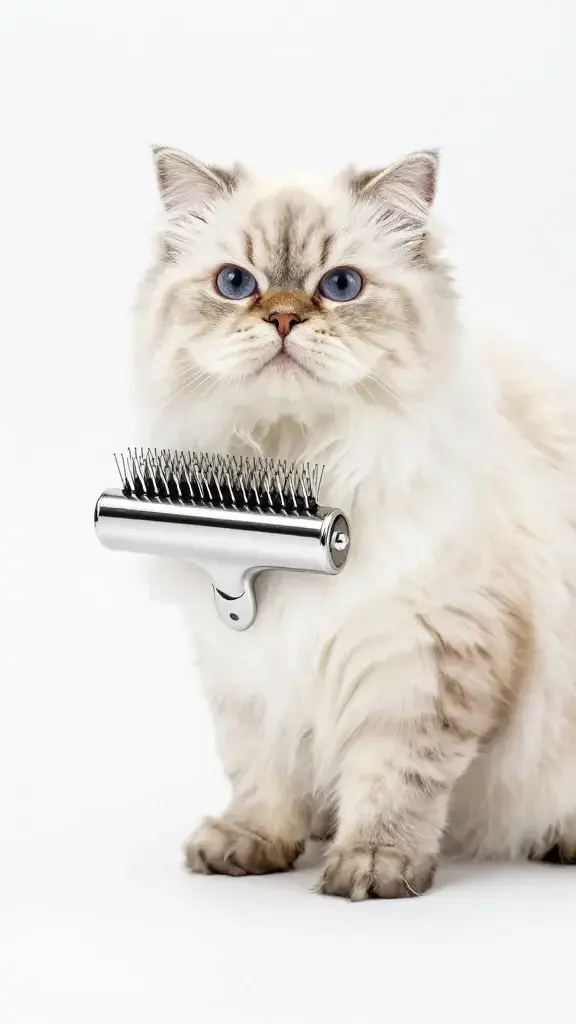
A slicker with fine, slightly angled pins glides through topcoat and teases out early tangles. Look for a brush with cushioned backing and protected tips. No scratches, no drama.
How to use it without getting side-eye
- Brush in short, gentle strokes, following hair growth.
- Focus on hot spots: behind ears, armpits, chest ruff, belly, inner thighs, base of tail.
- Stop if you see pink skin or your cat flinches—ease up or switch tools.
IMO: Self-cleaning slickers are worth the extra bucks. One click, fur gone. Magic.
The Long-Tooth Metal Comb: The Truth Detector
Brushes lie. Combs tell the truth. A stainless-steel comb with alternating long/short teeth reveals sneaky knots near the skin. If the comb snags, you caught a tangle early—congrats, you just avoided a mat.
Comb technique that actually works
- Lift the coat in layers. Start at the feet and work up (bottom to top), then go head to tail.
- Hold hair above a tangle to protect the skin and comb below your fingers.
- Use the wider teeth first, then finish with the finer side.
FYI: A comb pass after brushing = the secret sauce. Ten seconds now saves ten minutes later.
Dematting Tools: Use With Respect
Got a knot anyway? It happens. A safety-edged dematting tool slices through small mats without shredding skin. Go slow and never saw at the mat.
Safe dematting 101
- Spritz a little cat-safe detangling spray first to add slip.
- Hold the hair above the mat to shield the skin.
- Work from the edges of the mat inward, in tiny lifts—don’t yank.
- If it’s tight to the skin, stop. That’s a vet or professional groomer job.
Golden rule: If you can’t see the skin beneath the mat, don’t guess. You’ll nick them, and no one wins.
Undercoat Rakes: Seasonal Shedding Saviors
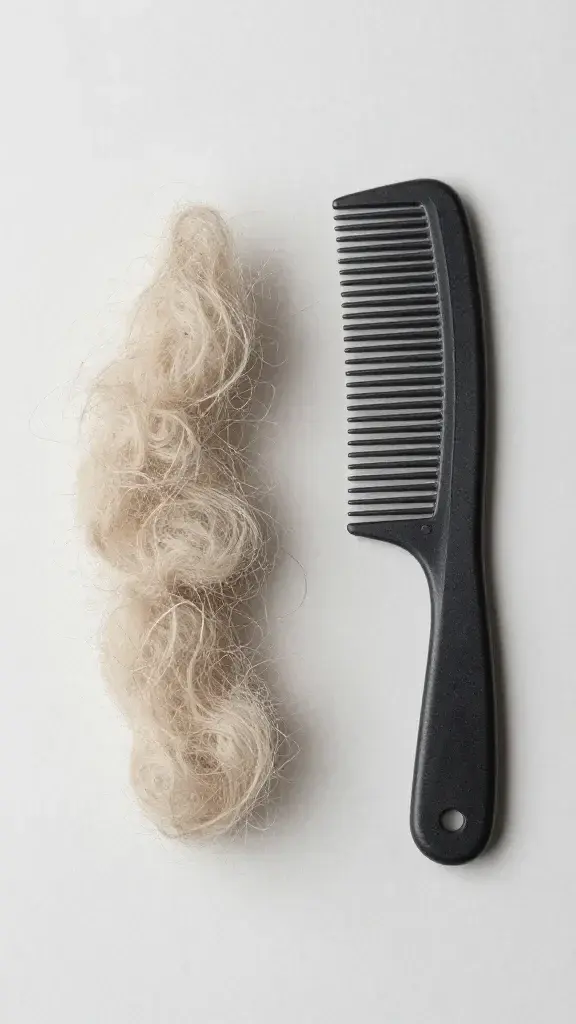
When your cat explodes into fluff in spring and fall, an undercoat rake reaches the loose downy fur that causes future mats. Choose a gentle, rounded-tooth rake and skip anything marketed as “deshedding blade” for horses. We like cats, not crop circles.
- Use light pressure and short strokes.
- Limit sessions to a few minutes to avoid overgrooming hot spots.
- Follow with a comb to check your work.
Conditioners, Wipes, and Finishers: The Slip Factor
Static and dryness make tangles worse. A leave-in, cat-safe conditioning spray or grooming wipes add slip and reduce friction. They also help with hygiene in the nether regions, which—let’s be honest—sometimes need a little assist.
When and how to use
- Before brushing: light mist to reduce snagging.
- After scooping: wipes to keep fur clean and prevent “cling-ons.”
- As a finisher: one last comb-through for shine and smugness.
Ingredient watch-out: Avoid strong fragrances, essential oils, and human products. Cats lick everything. Keep it simple and pet-safe.
Routine That Prevents Mats (Without Becoming a Full-Time Job)
Consistency beats marathon sessions. Think micro-grooms.
- Daily or every other day (2–5 minutes): Quick slicker pass on hot spots, then a fast comb check.
- Weekly (10–15 minutes): Layered combing session with detangling spray, plus an undercoat rake if shedding.
- Monthly: Nail trim, sanitary check, and a longer comb-out.
Make it positive:
- Keep treats on standby. Pay your model.
- Stop before your cat loses patience. End on a win.
- Pick a time they’re sleepy—post-meal or sunbeam o’clock.
IMO: Two minutes a day is the difference between “fluffy” and “felted.”
Smart Add-Ons That Actually Help
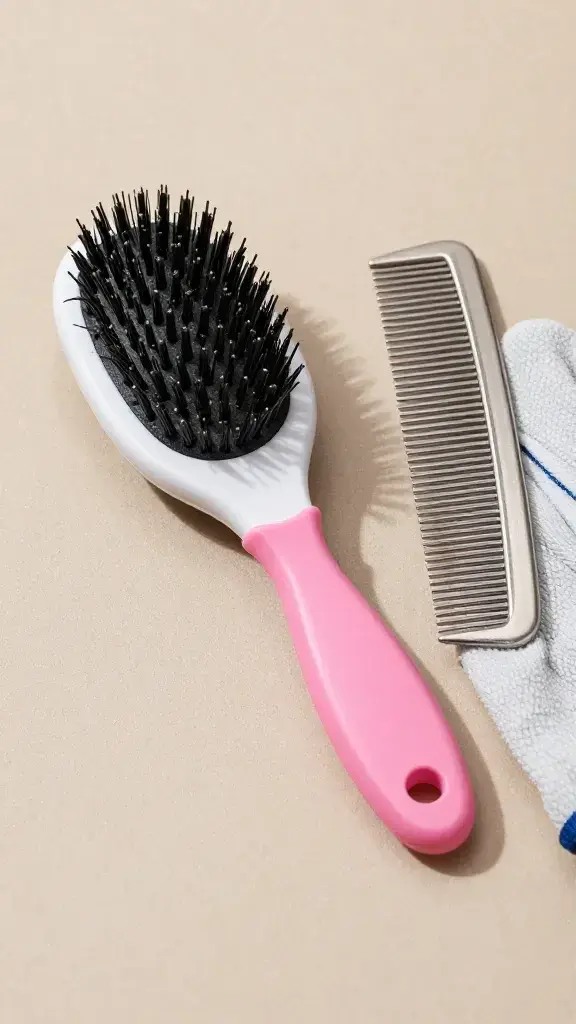
Not essential, but these make life easier:
- Grooming glove: Nice for skittish cats and face/chest areas. Not a mat-buster, but great for bonding.
- Soft restraint towel: For belly and armpit work. Towel burrito = fewer scratches, less drama.
- Wide-tooth comb or pik: Good for super-dense coats before the fine comb.
- Pet-safe powder or cornstarch: A tiny dusting can help tease out small tangles by reducing friction.
Common Mistakes to Avoid
- Brushing only the topcoat. Mats start near the skin—always comb in layers.
- Waiting until you see a mat. By then it hurts. Catch tangles early.
- Using scissors near the skin. One wiggle and you’ve got a vet bill.
- Overbrushing one spot. You’ll create brush burn. Rotate areas and keep sessions short.
- Skipping hydration and diet. Healthy skin and coat shed better and mat less. Water fountains and omega-3s help.
FAQs
How often should I groom a long-haired cat?
Aim for a quick 2–5 minute session daily or every other day, plus a longer weekly comb-out. Routine beats intensity. Think tiny habits, not spa day.
What’s the best tool to start with if my cat hates grooming?
Start with a soft grooming glove or a very gentle slicker. Pair every touch with a treat. Once your cat tolerates that, introduce the metal comb slowly. Short sessions, high rewards.
Can I cut out a mat with scissors?
Please don’t. Cats have thin, mobile skin that hides inside mats, and you can easily slice them. If a mat sits tight to the skin, see a professional groomer or vet. Safety first, ego second.
Do certain breeds need special tools?
Persians, Ragdolls, Maine Coons, and Norwegian Forest Cats often benefit from a long-tooth comb and gentle undercoat rake. But every cat’s coat differs. Test tools and keep what works; rehome the rest to the junk drawer.
How do I handle belly and armpit mats?
Use a towel wrap to gently restrain, add detangling spray, and work with a comb from the edges inward. If the mat feels tight or your cat protests hard, stop and book a groomer. Those zones get sensitive fast.
What if my cat still mats despite regular brushing?
Check your technique: layer the coat, use a comb, and target hot spots. Add a conditioning spray and an undercoat rake during shed seasons. If mats persist, schedule routine professional grooming—FYI, a hygienic clip in problem areas can be a game changer.
Conclusion
You don’t need a grooming arsenal—you need the right five tools and a tiny daily habit. Use a slicker for quick maintenance, a metal comb to catch sneaky tangles, and a dematting tool only when needed. Add an undercoat rake during shed season and a light conditioner for slip. Do that, and your majestic fluff stays fluffy—without the felted surprises. Your cat might even forgive you. Eventually.