
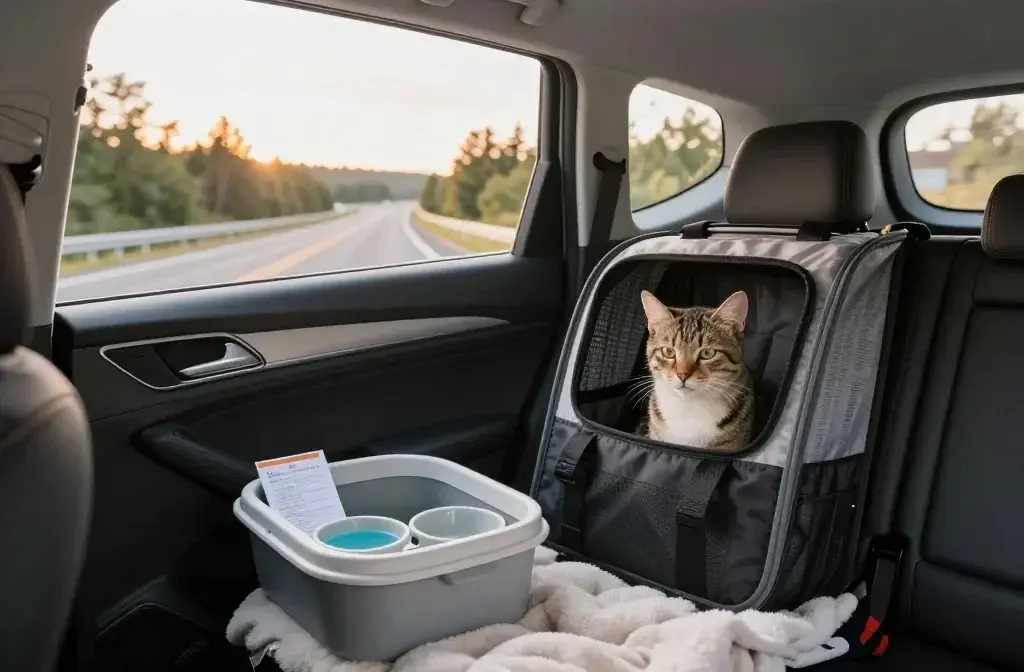
You can road-trip with a cat. Yes, your royal floof can handle more than a nap on the couch. With the right prep, you’ll swap stress for purrs and actually enjoy the ride. Let’s turn your car into a tiny, rolling cat palace and get you from “oh no” to “let’s go.”
Decide If Your Cat Should Even Travel
Not every cat wants to be a highway superstar. Some tolerate change like champs; others protest like tiny, adorable revolutionaries. Be honest about your cat’s vibe.
- Age and health matter. Kittens and seniors need extra care and predictable routines.
- Temperament counts. Chill, curious cats do great. Anxious, easily-spooked cats might do better at home with a sitter.
- Trip length and destination. Quick weekend? Maybe. Cross-country chaos? Only if you can keep things consistent.
Do a Vet Check First
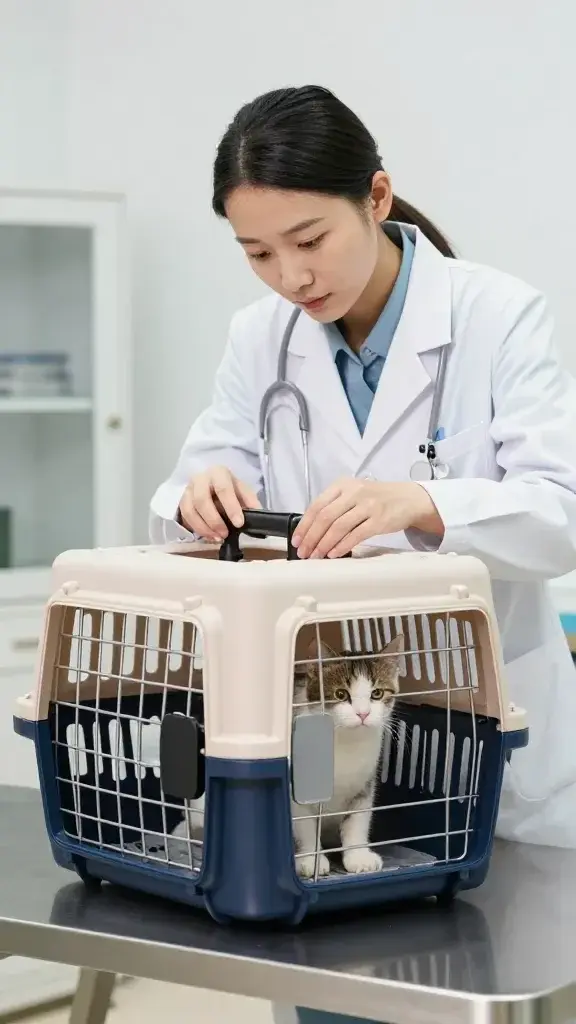
Schedule a quick pre-trip appointment. Ask about motion sickness meds, anti-anxiety options, and vaccine records. Get copies of rabies certificates and microchip details, especially if you’ll cross state lines or check into pet-friendly hotels.
Get the Right Gear (aka Your Feline Road Kit)
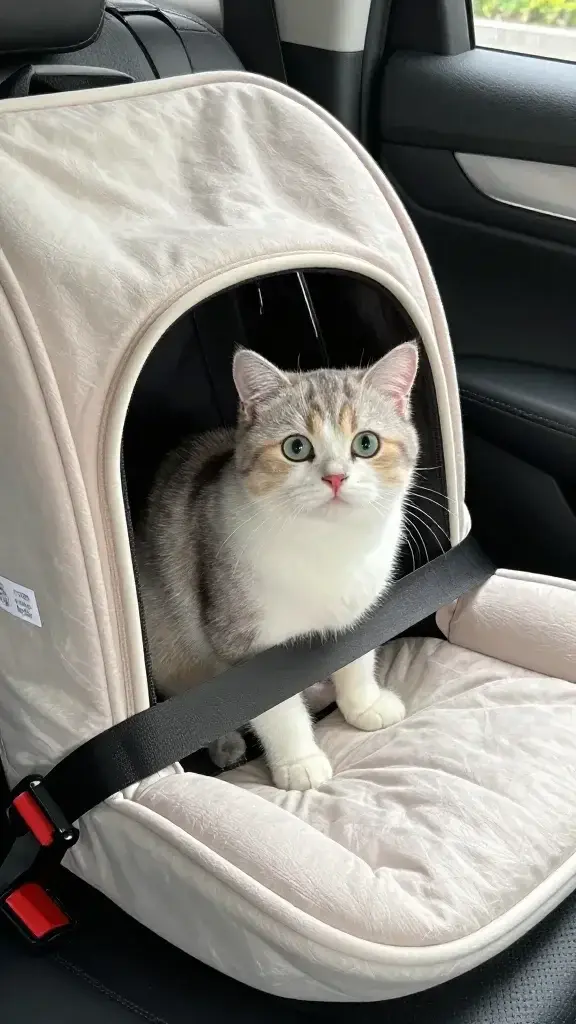
If you forget your phone charger, you’ll survive. If you forget the litter scoop, you won’t. Build a simple kit so you don’t panic at a rest stop.
- Hard-sided carrier with a secure door and enough space to lie down and turn. Soft carriers can slump and feel unstable.
- Non-slip carrier mat and a towel or T-shirt that smells like home.
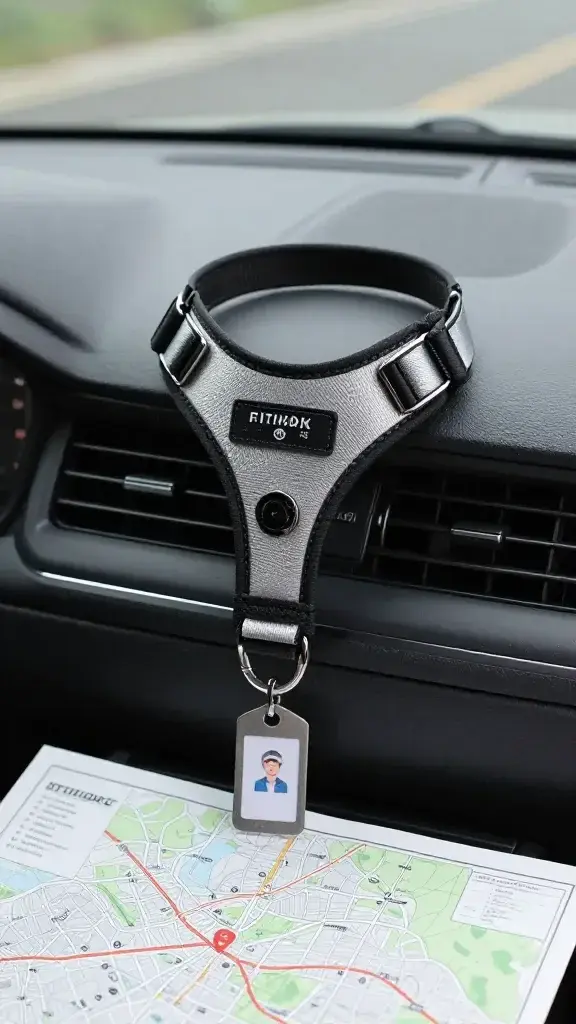
- Harness and leash that actually fit. Practice wearing them before you leave.
- Collapsible litter box, litter, scoop, and waste bags. Double-bag like your sanity depends on it (because it does).
- Water and food bowls with a sealable water jug. Don’t rely on rest-stop fountains, IMO.
- Calming aids: pheromone spray/wipes, calming treats, or prescribed meds if your vet approves.
- Travel blanket to drape over part of the carrier for a cozy den vibe.
- Cleaning supplies: paper towels, pet-safe wipes, enzyme cleaner, and spare bedding.
- First-aid basics: gauze, styptic powder, tweezers, and any prescriptions.
- ID, microchip, and tags with your phone number. Update your microchip registration, FYI.
Carrier Training: Your Golden Ticket to a Calm Trip
You can’t wing this part. The carrier needs to feel safe, not like a furry prison.
- Leave the carrier out a week or two before the trip. Door open, comfy bed inside.
- Feed treats and meals in the carrier so your cat builds positive vibes.
- Add movement slowly: pick up the carrier, walk around, and reward.
- Do short car sessions with zero destination. Five minutes, then ten. Keep it chill.
- Pair with calming aids like pheromone sprays on the bedding 15 minutes before loading up.
Seatbelt the Carrier, Always
Secure the carrier on the back seat with a seatbelt through the handle or base. No laps, no roaming, no front seat with airbags. Safety first, drama never.
Plan the Drive (for Both of You)
Think like a cat: routine, predictability, quiet. Build your route and schedule around that.
- Drive during normal nap times so the trip feels like a long snooze.
- Keep it cool and quiet. Soft music or silence beats blasting playlists. No open windows—ever.
- Pack your cat’s regular food. Switches can trigger digestive chaos you do not want in a moving vehicle.
- Stop every 2–4 hours for water and a litter break if your cat will use it. Many won’t until you stop for the night, which is fine.
- Never open the car door without clipping the harness and leash first. Cats move faster than your reflexes.
Hotel and Overnight Tips
Book pet-friendly places in advance. On arrival, cat-proof the room first: block bed gaps, check for cords, and stash tempting trash. Set up a “cat zone” with litter in the bathroom, food and water away from it, and the carrier open as their safe base.
Food, Water, and Litter Logistics
You don’t need a PhD in feline digestion, but you do need a plan.
- Feed lightly before you leave to reduce motion sickness. A small meal 3–4 hours pre-departure works well.
- Offer water at stops. Cats often skip drinks in the car, so make up for it when parked.
- Wet food helps hydrate. If your cat only eats dry, consider adding a splash of water, IMO.
- Litter breaks: Set a small tray in the backseat footwell during longer stops or at night in the hotel. Keep the routine steady.
Motion Sickness and Anxiety
Learn your cat’s signals: drooling, panting, meowing, or frantic scratching means stress or nausea. Crack a window a hair for fresh air, cool the cabin, and try pheromones. Talk to your vet about Cerenia for nausea or short-term anxiety meds if training doesn’t cut it.
Checklist: Before You Leave the Driveway
Print this, screenshot it, tattoo it on your brain—whatever works.
- Vet visit done, meds packed, records copied.
- Carrier trained and secured in the car.
- Harness fits, leash clipped, ID and microchip updated.
- Food, water, bowls, plus a few favorite treats.
- Litter kit: box, litter, scoop, bags, wipes.
- Comfort items: blanket, toy, your T-shirt.
- Cleaning kit and extra bedding for surprises.
- Route planned with pet-friendly stops and hotel confirmed.
- Temperature plan: climate control on, sunshade ready, no leaving the cat in a hot or cold car. Ever.
On-the-Road Routine That Actually Works
Consistency keeps everyone sane. Build a simple rhythm and stick to it.
- Load the carrier calmly, spray pheromones, cover partially.
- Drive steadily, avoid sudden moves, keep noise low.
- Stop every few hours: water, quick check-in, bathroom chance.
- Overnight setup: same layout each time—carrier, litter, food, water.
- Morning reset: small meal, water, bathroom, then back in the carrier.
What If Your Cat Yowls Nonstop?
Acknowledge them with a calm voice, but don’t open the carrier while driving. Double-check temperature, reduce visual stimuli with a cover, and play soft ambient sounds. If they still spiral, plan shorter drive segments or talk to your vet about next steps.
FAQ
Can I let my cat roam the car if they behave?
Short answer: no. Even a “good” cat can bolt under pedals, block your view, or launch during sudden stops. Keep them secured for everyone’s safety.
How long can a cat stay in a carrier on a road trip?
Most adult cats can handle 4–6 hours with short breaks to offer water and check comfort. Plan proper stretch, food, and litter time during longer stops or overnight. Watch their signals and be flexible.
Do calming collars or pheromones really help?
For many cats, yes. Pheromones create a familiar “safe” scent that can reduce anxiety. Use them alongside training and a good routine—not as a magic fix.
What if my cat won’t use a litter box while traveling?
Totally normal. Many cats hold it until you stop for the night. Offer the box at rest stops anyway, keep it clean, and set it up immediately in your hotel bathroom.
Should I sedate my cat for the drive?
Avoid full sedation unless your vet specifically recommends it. Light anti-anxiety meds or anti-nausea meds can help without knocking them out. Always test any medication at home first to see how your cat reacts.
Is a soft or hard carrier better for car trips?
Hard-sided carriers offer more protection and structure in the car, which helps cats feel stable. Choose one with a front and top door if possible for easier loading.
Conclusion
Road-tripping with a cat doesn’t require wizard powers—just prep, patience, and a decent playlist. Build a cozy mobile routine, keep safety non-negotiable, and let your cat set the pace. Do that, and you’ll both roll up calm, collected, and ready for the next adventure together.