
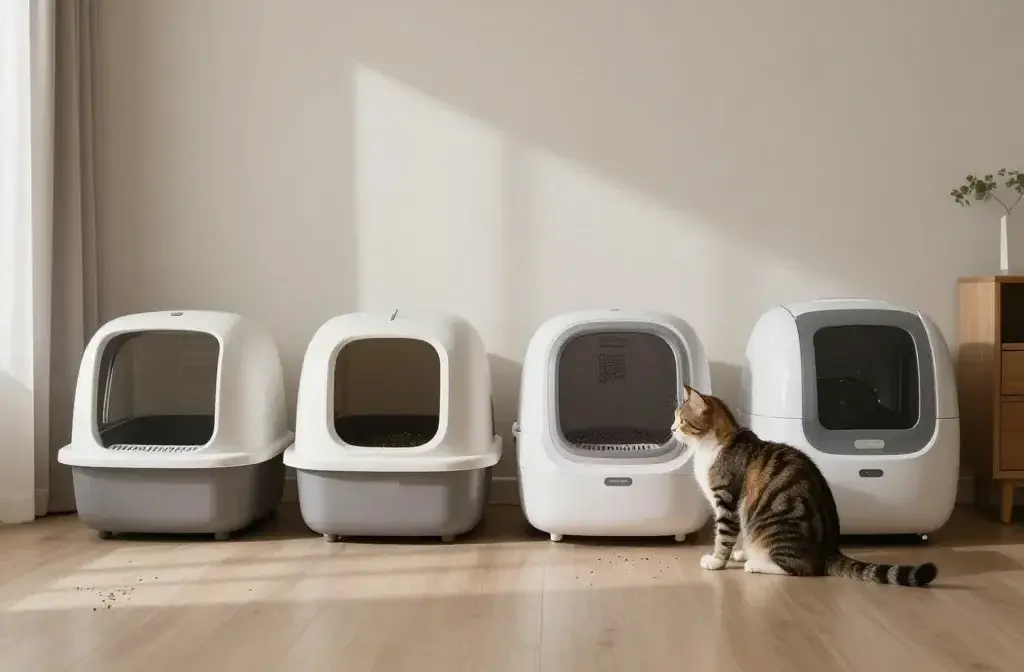
Some cats act like tiny, furry royals. Other cats are chaos goblins who fling litter like confetti at a parade. Either way, we all want the same thing: a litter box setup that keeps the house clean, the cat happy, and our sanity intact. Covered vs. uncovered, top-entry vs. robot—what actually works? Let’s cut through the hype and talk real-life pros, cons, and “will my cat even use this?”
The Cat’s Opinion Comes First
Your cat doesn’t care about aesthetics or your minimalist decor. Your cat cares about comfort, safety, and routine. If the box doesn’t feel right, they’ll boycott it faster than you can say “carpet cleaner.”
Golden rule: prioritize what your cat prefers. You can nudge habits, but you can’t negotiate with urine on the bathmat. Watch how your cat covers, how they like to perch, and whether they like privacy or a clear line of escape.
Key signs your cat likes their setup
- They enter quickly and don’t hover or hesitate.
- They dig, do their thing, and cover without frantic scratching.
- No accidents, no “close but not quite” poop placements.
Covered Boxes: Cozy Cave or Smelly Trap?
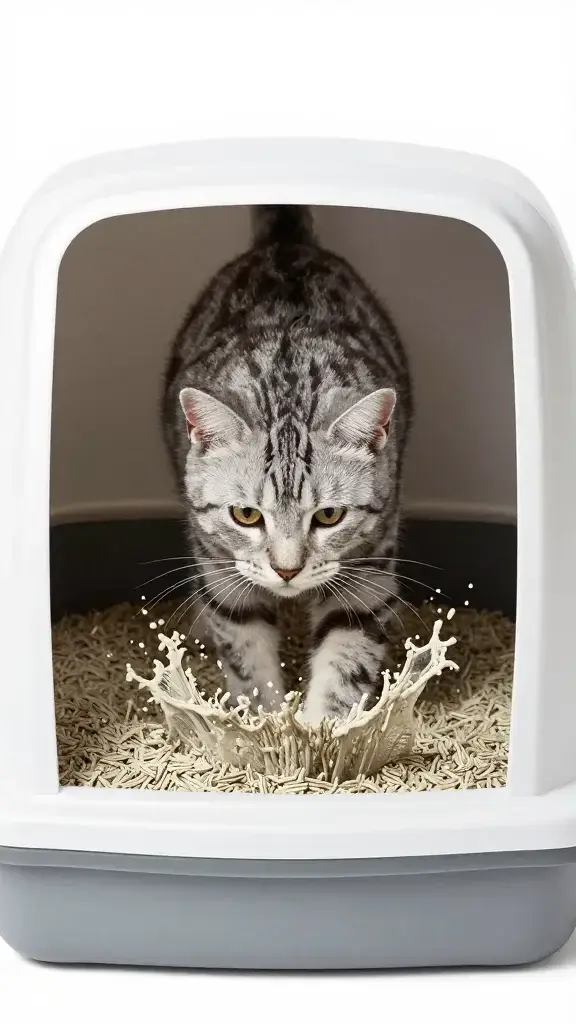
Covered boxes look tidy. They contain some smell and mess. They also trap odor inside and can make anxious cats feel cornered. It’s a love-it-or-hate-it situation.
Pros:
- Helps contain litter scatter and visual mess.
- Gives privacy for shy cats.
- Looks less like, well, a toilet in your living room.
Cons:
- Traps odor and ammonia—yikes for cats with sensitive noses.
- Can feel unsafe for cats who want escape routes.
- People clean them less often because “out of sight, out of mind.”
Who should try covered boxes?
- Cats who already like them (don’t fix what isn’t broken).
- Households where litter tracking drives you to the brink.
- Single-cat homes where odor builds more slowly.
Uncovered Boxes: The Practical Classic
Uncovered boxes win in the reliability department. Most cats accept them easily. You can see when it’s dirty, so you scoop more—your cat will thank you.
Pros:
- Great ventilation reduces odor concentration.
- Easy access and easy escape—low stress.
- Simple to clean, simple to monitor.
Cons:
- Litter flinging happens. You will find grains in your socks.
- Looks like a litter box (because it is).
- Some cats scatter like they’re digging to Australia.
Make uncovered boxes tidier
- Add a high-sided model to block scatter.
- Use a big litter mat with a honeycomb design.
- Place the box in a low-traffic corner with easy approach.
Top-Entry Boxes: Minimal Mess, Maximum Opinions
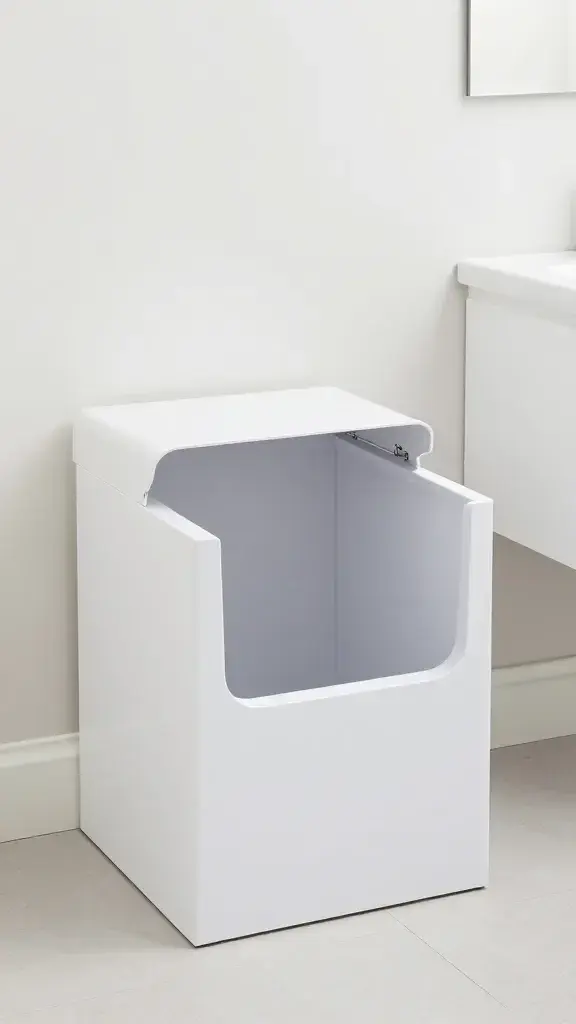
Top-entry boxes reduce tracking and look sleek. But not every cat likes jumping into a hole to potty. Senior cats, arthritic cats, and tiny kittens may struggle or refuse.
Pros:
- Excellent at containing scatter and pee overspray.
- Great for dogs who think cat poop is a snack (why are they like this?).
- Stylish and compact—works in apartments.
Cons:
- Can be hard for kittens, seniors, and large breeds to enter.
- Some cats dislike jumping down into a confined space.
- Cleaning can feel awkward vs. a simple open pan.
Top-entry success tips
- Start with a side-entry lid if possible, then switch to full top-entry once your cat adapts.
- Pick a model with a big opening and a non-slip lid.
- Keep the litter depth consistent (about 2–3 inches) for easy digging.
Robot Litter Boxes: Fancy Tech or Overhyped Gadget?
Self-cleaning, app-connected litter robots promise freedom from scooping. For some people, they deliver. For others, they become a $500 sculpture the cat refuses to use. FYI, the tech has improved a lot, but it’s not magic.
Pros:
- Auto-scoops, which keeps the box fresher more consistently.
- Great for multi-cat homes if the unit can keep up.
- Odor control often beats manual boxes when maintained properly.
Cons:
- Noise and movement can spook sensitive cats.
- Requires specific litter types and regular deep cleaning.
- Expensive upfront and ongoing costs (liners, filters, parts).
Who thrives with robots?
- People who scoop inconsistently (no judgment, life happens).
- Homes with cats that tolerate noise and routine changes.
- Multi-cat households where hygiene must stay top-notch.
Size, Placement, and Litter: The Unsexy Details That Matter Most
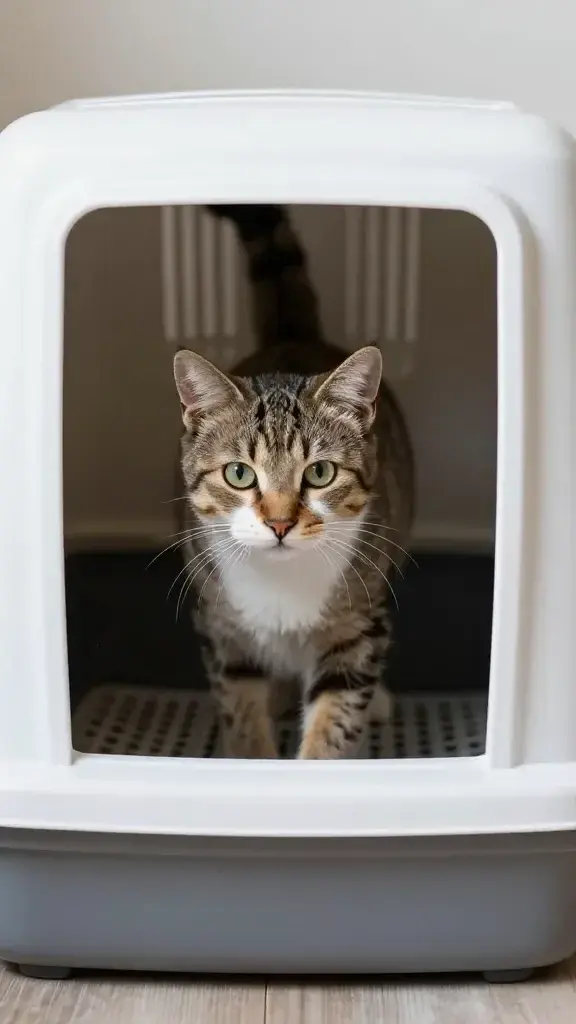
You can buy the fanciest box on earth, but if it’s too small or in the wrong spot, it’ll flop. Size and placement make or break success.
Right size:
- Length: at least 1.5x your cat’s body length (nose to base of tail).
- Width: your cat should turn comfortably without touching sides.
- High sides for kickers; low entrance for seniors and kittens.
Best locations:
- Quiet but not isolated. Think office corner, laundry room without slamming doors, or bathroom nook.
- Avoid tight closets where odor concentrates and ambush risk rises.
- No food bowls nearby—cats prefer separation (same, honestly).
Litter basics (IMO non-negotiable):
- Clumping, unscented clay or a clumping alternative your cat already likes.
- 2–3 inches deep, as consistent as possible.
- Scoop daily (even with robots), full change and wash every 2–4 weeks.
How many boxes?
- General rule: number of cats + 1.
- Spread them out—don’t cluster like a tiny bathroom line.
Common Problems and Quick Fixes
Problem: Litter everywhere.
- Try high sides, top-entry, or a larger mat.
- Switch to larger-grain litter (FYI, some cats hate pellet texture).
Problem: Strong odor.
- Scoop daily, clean box surfaces, avoid heavy fragrances.
- Improve ventilation; consider uncovered or a robot that cycles often.
Problem: Cat avoids the box.
- Vet check first to rule out medical issues.
- Offer multiple styles at once and see which gets used.
- Lower entrances for pain or mobility concerns.
Problem: Dog snacking disaster.
- Top-entry or furniture-style enclosure with cat-only access.
- Baby gates with a cat door work wonders.
Budget vs. Bougie: Where to Spend
If you want the best bang for your buck, invest in size and litter quality before fancy features. A big, comfy, easy-to-clean box beats a cramped “cute” one every time.
Smart spends:
- Oversized high-sided open box.
- Great scoop and sturdy mat.
- Unscented clumping litter your cat actually likes.
Nice-to-haves (IMO):
- Top-entry for messy diggers or dog households.
- Robot if you’ll maintain it and your cat accepts it.
- Enclosures if you need aesthetics, but prioritize ventilation.
FAQs
Do cats prefer covered or uncovered boxes?
Most studies and behaviorists report a slight preference for uncovered boxes due to better ventilation and easy escape. That said, individual cats vary. Offer both for a week and see which wins—your cat will cast the deciding vote quickly.
Are top-entry boxes bad for older cats?
Not inherently, but the jump can hurt arthritic joints. If your senior cat hesitates, switch to a low-front, high-back pan. Comfort beats neatness every time.
Will a robot litter box stop the smell?
It reduces odor if you use compatible litter, empty the waste drawer regularly, and deep clean monthly. Ignore maintenance and you’ll just have a high-tech stink vault.
How deep should the litter be?
Aim for 2–3 inches so your cat can dig and cover properly. Too shallow and you get sticky messes; too deep and some cats feel unstable, especially in smaller boxes.
How often should I replace the entire litter?
Scoop daily and replace completely every 2–4 weeks for clumping litter, depending on number of cats and odor. Wash the box with mild soap and water—no harsh fragrances.
Can I put the litter box in a closet?
You can, but add ventilation and enough space for easy turning and escape. Avoid cramped corners and ensure the door can’t trap your cat inside. If odor spikes, relocate.
The Bottom Line
Covered vs. uncovered, top-entry vs. robot—the “best” box is the one your cat uses happily and you can keep clean without resentment. Start with size, placement, and litter quality. Layer in features based on your cat’s behavior and your tolerance for mess. Test, observe, and tweak. Do that, and you’ll keep the royal paws—and your floors—blissfully clean. IMO, that’s a win for everyone.