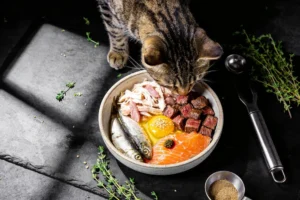
Healthy & Fresh: 10 Vet-Approved Cat Food Recipes
You want to cook for your cat, but you also want to keep things safe, balanced, and—dare we say—vet approved. Great call. Homemade cat food can be awesome when you do it right: fresh ingredients, no mystery fillers, and total control over what goes in the bowl.
The trick? Cats are obligate carnivores with very specific needs. Let’s make recipes that respect that—and still taste great (to them, not you).
What “Vet Approved” Really Means

We’re not just tossing chicken in a bowl and calling it a day. “Vet approved” means the recipes follow feline nutrition basics and your vet can review them for your cat’s unique needs.
Cats need high protein, moderate fat, and very low carbs. They also need certain nutrients like taurine, arachidonic acid, vitamin A, and B vitamins. Skipping those?
Big no. Quick safety rules:
- Cook meat to safe temps unless using high-quality, frozen-then-thawed raw with expert guidance.
- Add a complete feline supplement if you feed homemade often.
- No onions, garlic, chives, grapes, raisins, xylitol, or alcohol. Ever.
- Ease into new foods over 5–7 days.
- Always provide fresh water.
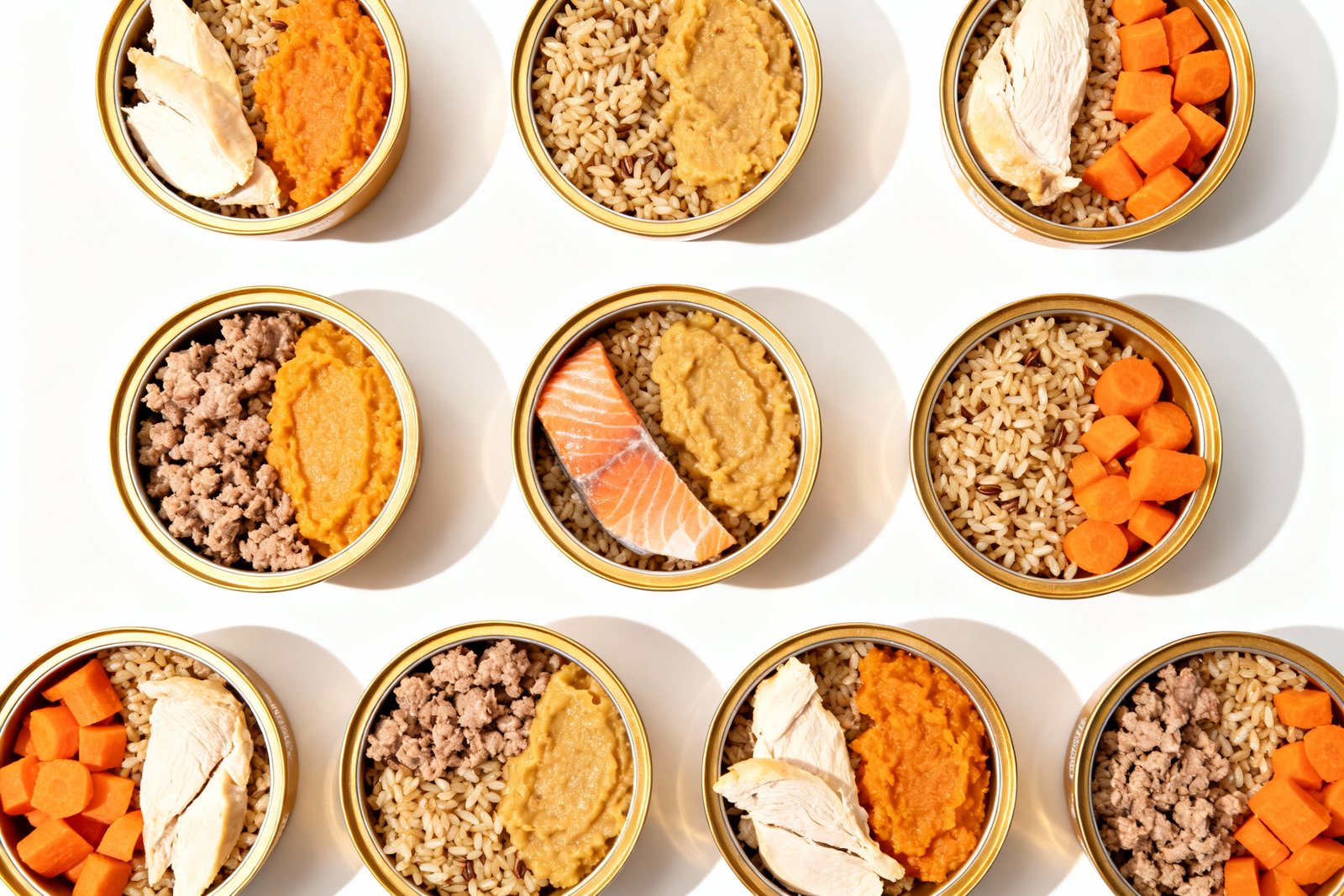
10 Vet-Guided Homemade Cat Food Recipes
FYI: Portions here assume a 9–10 lb adult cat. Adjust based on your cat’s weight, age, and activity.
Rotate recipes and use a balanced supplement for long-term feeding.
1) Simple Chicken & Rice Starter
Great for sensitive tummies or transitioning from canned food.
- 3 oz cooked chicken thigh (skin on), finely chopped
- 1 tbsp cooked white rice
- 1 tsp chicken broth (no onion/garlic, low sodium)
- Cat-specific multivitamin/taurine supplement per label
Mix warm. Serve slightly above room temp. Add extra broth for moisture.
This isn’t a forever diet, but it works short-term and for tummy resets.
2) Turkey & Pumpkin Digestive Helper
Lean but still tasty.
- 3 oz cooked ground turkey (dark meat preferred)
- 1 tbsp plain canned pumpkin
- 1 tsp salmon oil
- Taurine supplement per label
Stir until glossy. Pumpkin adds fiber without spiking carbs.
3) Beef & Sardine Power Bowl
Big iron, big omega-3s, big flavor.
- 2 oz cooked ground beef (85–90% lean)
- 1 oz sardines in water, drained
- 1 tsp bone broth (no onion/garlic)
- Calcium supplement (per label), taurine
Mash sardines into beef. Add calcium to offset phosphorus.
Your cat will smell you making this from three rooms away.
4) Salmon & Egg Scramble (Cooked)
Eggs add biotin and protein. Cook both thoroughly.
- 2 oz cooked salmon, flaked
- 1 scrambled egg (no milk)
- 1 tsp olive oil or salmon oil
- Feline multivitamin
Combine while warm. If your cat gets flaky skin, this one usually helps.
5) Rabbit & Pea “Novel Protein” Mix
For cats with food sensitivities.
Check with your vet first.
- 3 oz cooked ground rabbit
- 1 tsp green pea puree (optional)
- 1 tsp safflower oil
- Taurine + calcium supplement
Go light on peas—cats don’t need many carbs. This can be part of an elimination diet with vet guidance.
6) Chicken Hearts & Thighs Taurine Boost
Hearts are a taurine goldmine.
- 2 oz cooked chicken thigh
- 1 oz lightly cooked chicken hearts (no pink)
- 1 tsp chicken fat or a dab of ghee
- Calcium supplement
Chop fine. Hearts add flavor and nutrients without overwhelming the bowl.
7) Lamb & Quinoa “Weekend Chef” Bowl
Lux vibe, still cat-appropriate.
- 3 oz cooked ground lamb (drain fat)
- 1 tsp cooked quinoa
- 1 tsp fish oil
- Taurine + multivitamin
Quinoa stays minimal—just texture.
Lamb is rich, so keep portions conservative.
8) Tuna “Not Every Day” Treat Meal
Use sparingly due to mercury. Great as an occasional rotation.
- 2 oz light tuna in water, drained
- 1 oz cooked chicken
- 1 tsp bone broth
- Calcium + taurine
The chicken stretches the tuna and balances the protein mix.
9) Pork Loin & Sweet Potato Mash
Gentle and surprisingly popular.
- 3 oz cooked pork loin, finely chopped
- 1 tsp mashed plain sweet potato
- 1 tsp canola or sunflower oil
- Feline multivitamin + taurine
Keep sweet potato minimal. Pork brings variety for picky eaters.
10) Slow-Cooker Chicken Stew (Shred & Serve)
Batch-cook hero.
- 1 lb chicken thighs (bone removed after cooking)
- 1 cup water
- 1 small carrot, chopped large (for flavor; remove before serving if your cat hates veg)
- 2 tsp salmon oil added after cooking
- Calcium + taurine per portion
Cook on low 4–5 hours.
Shred meat with cooking liquid. Portion and freeze. Add supplements when serving, not during cooking.

Balancing Homemade: Don’t Skip This Part
Want to feed homemade regularly?
You need to balance minerals and taurine. Meat alone won’t cut it. Use a complete feline supplement designed for homemade diets. Many brands exist; your vet can recommend one that covers:
- Taurine (critical for heart and eye health)
- Calcium-to-phosphorus balance
- Vitamin A, D, E, K, B-complex
- Trace minerals like zinc and copper
IMO, pre-mixed feline supplements make life easy and keep you on the safe side.
Calcium: The Non-Negotiable
If you don’t feed bone, you must add calcium. Options include:
- Eggshell powder (about 1/2 tsp per pound of meat, verify with your supplement’s directions)
- Commercial calcium for pets
Without enough calcium, you risk bone issues.
Not dramatic—just true.
How Much to Feed (and When to Adjust)
Most adult cats eat about 20–25 calories per pound of body weight daily. As a ballpark, that’s ~180–220 calories for a 9–10 lb cat. Homemade portions vary by fat content, so watch body condition and adjust weekly.
- Ribs prominent?Increase by 10–15%.
- Pudge appearing? Decrease by 10%.
- Split meals: 2–3 feedings per day. Cats like routine.
Hydration matters.
If your cat rarely drinks, add a little warm water or broth to meals.

Prep Tips for Real-Life Humans
You don’t need a culinary degree—just a rhythm.
- Batch cook proteins on Sunday. Freeze in 2–3 oz portions.
- Add supplements at serving time, not during cooking.
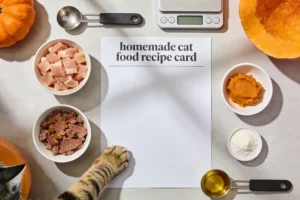
- Use a kitchen scale. Your eyeballs lie; the scale doesn’t.
- Serve slightly warm to boost aroma.Microwave briefly and stir well.
- Rotate proteins to reduce sensitivities and boredom.
Transitioning Without Drama
Mix 25% new food with 75% current food for 2–3 days. Move to 50/50 for another 2–3 days, then 75/25, then full switch. If you see vomiting or diarrhea, slow down or pause.
Common Mistakes to Avoid

- Going heavy on veggies or grains. Cats aren’t tiny people.Keep carbs minimal.
- Skipping taurine and calcium. This causes serious deficiencies. Don’t wing it.
- Feeding only tuna or fish. Rotate proteins to prevent nutrient imbalance.
- Seasoning food. No onion/garlic. Keep it bland; your cat prefers it.
- Assuming raw equals better. Raw requires strict handling and balanced recipes.Get vet guidance first.
FAQ
Can I feed homemade cat food every day?
Yes—with a balanced formulation and the right supplements. If you don’t want to commit to full-time homemade, do a half-and-half plan with a high-quality commercial wet food. Balance still matters either way.
Do I need a taurine supplement if I use hearts?
Hearts help, but you still should add taurine.
Cooking reduces taurine, and daily needs vary by cat. A supplement ensures you never underdose this essential amino acid.
Is raw better than cooked for cats?
Not inherently. Raw can work, but it comes with food safety risks and requires exact balancing.
Cooked recipes offer great nutrition with fewer variables. If you do raw, partner with your vet and use tested recipes.
What if my cat refuses the new food?
Go slower, warm the food, and try topping with a tiny bit of bonito flakes or a sardine smear. Some cats need weeks.
Stubborn? Cats? Shocking, right?
Can kittens eat these recipes?
Kittens need more calories, calcium, and specific growth-balanced nutrients.
Some recipes can adapt, but use a kitten-appropriate supplement and confirm with your vet. When in doubt, feed a growth-labeled commercial diet while you learn.
How do I store homemade cat food safely?
Refrigerate portions for up to 48 hours or freeze for up to 2–3 months. Thaw in the fridge, not on the counter.
Reheat gently and stir well so there are no hot spots.
Bottom Line
You can absolutely make fresh, tasty meals your cat—and your vet—can get behind. Keep the focus on animal protein, add the right supplements, and rotate recipes to keep things balanced. You’ll control the ingredients, your cat will clean the bowl, and everyone wins.
IMO, once you find your rhythm, homemade feeding feels easy—and a little bit heroic.