How To Encourage Your Cat To Drink More Water
Your cat drinks like a dehydrated cactus? Same. Cats evolved as desert creatures, so they don’t always feel thirsty even when they need water.
That’s adorable until it turns into urinary crystals or kidney drama. Let’s make water irresistible, one whisker at a time.
Why Cats Ignore Water (And Why It Matters)

Cats don’t crave water like dogs. Their ancestors got most moisture from prey, so bowls don’t always excite them.
Unfortunately, low hydration can mean urinary tract issues, constipation, and kidney stress. Think of water as preventive medicine. If you boost your cat’s hydration now, you’ll likely avoid vet bills later.
FYI, your cat will still act like you’re the weird one.
Upgrade the Water Itself
Cats can be picky about taste and temperature. No judgment—they’re small, furry sommeliers.
- Use filtered water: Chlorine and minerals can put cats off. Try a water filter or bottled spring water.
- Serve it cool: Many cats prefer slightly cool water.Add an ice cube or chill the bowl for 10 minutes.
- Change it often: Fresh water daily, and rinse the bowl. Stale = no thanks.
- Try broths: Add a splash of low-sodium, onion-free chicken or bone broth. Check ingredients; no onion, garlic, or artificial sweeteners.
Simple Flavor Boosters That Work
- Tuna water: Drain tuna-in-water and mix a teaspoon into the bowl.Strong smell, big win.
- Clam juice: Dilute 1:4 with water. Sounds weird, cats love it.
- Cat-safe electrolyte solutions: Only if your vet recommends and your cat needs it. Don’t freestyle this one.

Location, Location, Hydration
Many cats avoid bowls placed next to food or litter.
They like “water stations” like they’re running a tiny spa.
- Multiple bowls: Place 2–4 around the house. Hallway, bedroom, office—wherever your cat hangs out.
- Away from food: Move water 3–6 feet from the food dish. Instinct says keep water away from “prey.”
- Quiet zones: No loud appliances or heavy foot traffic.Cats hate jump scares mid-sip.
- Sunny spots: A warm nap + a drink nearby = sneaky hydration boost.
Choose the Right Bowl
Yes, the bowl matters. Cats have opinions—strong ones.
- Material: Stainless steel or ceramic beats plastic. Plastic can hold odors and bacteria.
- Shape: Wide and shallow helps whiskers avoid touching the sides.Whisker fatigue is real, IMO.
- Clean often: Wash bowls daily. Really. Biofilm forms fast and tastes gross.
- Experiment: Some cats like glasses or mugs.Try a few styles and embrace the chaos.
Fountains: The VIP Experience
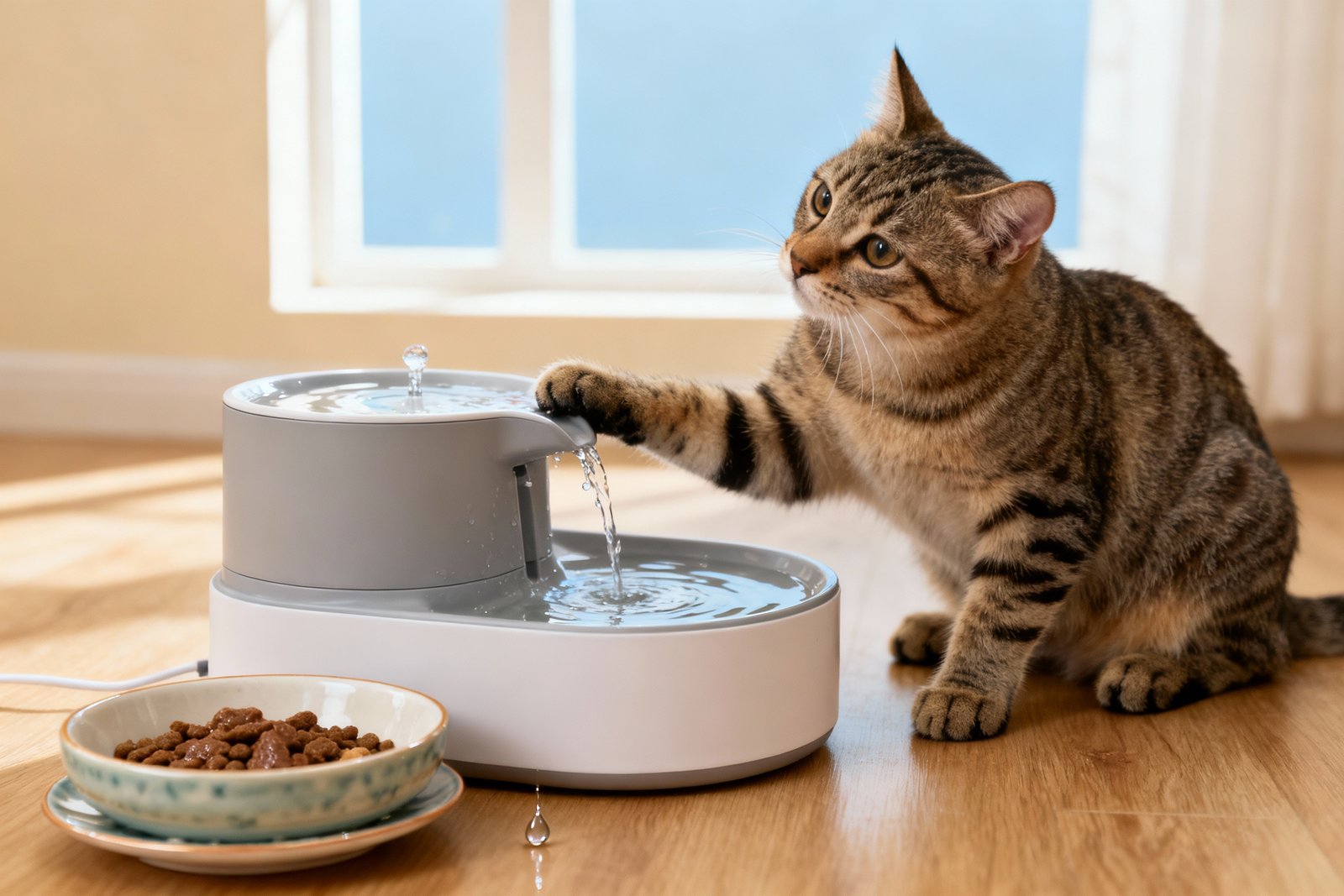
Cats love running water. It signals “fresh,” and it’s fun to bat at.
- Pick a quiet model: Loud hum? Instant nope from many cats.
- Replace filters: Follow the schedule—usually every 2–4 weeks.
- Clean weekly: Disassemble and scrub.Slime ruins the vibe (and the taste).
- Offer both: Keep a bowl and a fountain. Some cats like options, because of course they do.

Hydration Through Food
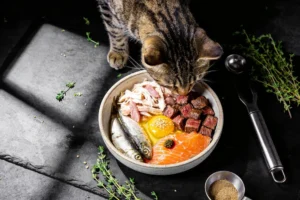
The easiest hydration hack? Put the water in the meal.
- Wet food over dry: Canned food contains 70–80% moisture.That’s basically a water delivery system with gravy.
- Mix water into meals: Add 1–3 teaspoons of warm water to wet food; mix well.
- Broth topper: A spoonful of cat-safe broth on dry food draws them in and boosts moisture.
- Hydrate the kibble: Soak for 5–10 minutes in warm water if your cat accepts softer textures.
Homemade “Soupy” Meals
Try “cat soup”: 1 part wet food + 1–2 parts warm water or broth. Stir until stew-like. Serve lukewarm.
It looks questionable, but cats slurp it up.
Make It a Game

If your cat thinks drinking is a chore, turn it into enrichment.
- Ice cube toys: Freeze tuna water or broth into cubes. Drop one in the bowl. It bobs, they bop, they drink.
- Foragers: Put small water bowls near scratchers, window perches, and favorite napping spots.
- Routine cues: Offer fresh water right after play sessions when your cat feels a natural thirst.
- Positive association: Praise and treats when they investigate or drink from new setups.
Watch for Red Flags
We love hacks, but health comes first.
Keep an eye on behavior.
- Sudden thirst changes: Drinking way more or way less can signal issues like diabetes, kidney disease, or thyroid problems.
- UTI signs: Straining, frequent trips to the box, crying, or blood in urine = call your vet ASAP.
- Litter box clues: Tiny, dry clumps suggest dehydration. Huge clumps suggest overhydration or illness.
- Senior cats: Hydration matters more with age. Consider routine bloodwork and a hydration plan with your vet.
Step-by-Step Plan to Boost Drinking
Let’s keep it practical.
Try this for two weeks:
- Day 1–2: Swap to filtered water. Add a second bowl in a quiet area. Refresh both daily.
- Day 3–4: Introduce a wide, shallow ceramic or stainless bowl.Keep the old bowl nearby for comfort.
- Day 5–7: Start wet food or add water to meals. Aim for one wet meal per day.
- Day 8–10: Add a fountain if possible. Keep at least one still bowl too.
- Day 11–14: Test flavor boosts once daily—tiny amounts of broth or tuna water.Track what actually works.
IMO, small changes beat one big overhaul. Cats love routines—change them gently and bribe shamelessly.
FAQ
How much water should my cat drink each day?
A good ballpark is 3.5–4.5 ounces (100–130 ml) per 5 pounds (2.3 kg) of body weight, including moisture from food. Wet-food cats drink less from bowls because they get a lot from meals.
As long as urine output looks normal and your cat acts fine, you’re likely on track.
Is a water fountain worth it?
For many cats, yes. Fountains encourage curious sips, keep water moving, and can taste fresher. Just choose a quiet, easy-to-clean model and keep a regular bowl available in case your cat prefers still water.
Can I flavor my cat’s water every day?
You can, but use tiny amounts and rotate flavors to prevent rejection.
Stick to cat-safe broths without onion, garlic, or additives. If your cat has a sensitive tummy or health issues, ask your vet first.
What if my cat still refuses to drink more?
Switch to more wet food and add water to meals. Then double-check the setup: bowl material, placement, freshness, and noise.
If nothing changes after a couple weeks—or your cat shows any urinary signs—schedule a vet visit.
Are ice cubes safe for cats?
Yep. Many cats enjoy batting at them and licking the melt. Use plain water or a very diluted broth cube.
If your cat has sensitive teeth, skip super-cold cubes and just chill the bowl.
Could too much water be a problem?
Excessive thirst can signal health issues like diabetes or kidney disease. If your cat suddenly drinks way more than usual, call your vet. Changes over a few days matter.
Conclusion
Cats won’t always drink just because you ask nicely (if only).
But with fresher water, better bowls, smart placement, wet food, and maybe a fountain, you can nudge even a diva into sipping more. Start small, test what your cat actually likes, and keep it consistent. Your future self—and your cat’s kidneys—will appreciate it.