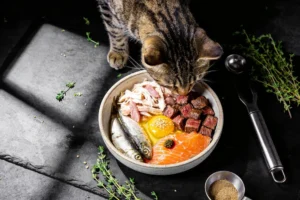
Your cat stares at your plate like a tiny, furry food critic. You cave and share a bite—then panic. Was that safe?
Good news: many human foods actually make fine kitty snacks. The trick? Know what’s safe, keep portions tiny, and don’t turn dinner into a free-for-all tasting menu.
The Basics: Treats, Not Meals

Cats thrive on balanced, meat-based diets.
Human food should be a small bonus, not the main course. Think of it like dessert—fun, exciting, but not the foundation of their nutrition. Rule of thumb: Keep human food to under 10% of daily calories. And always introduce new foods slowly, one at a time.
Upset tummies ruin everyone’s night, IMO.
Lean Meats Your Cat Will Actually Love
Cats are obligate carnivores, so meat hits the spot. You can safely offer small amounts of plain, cooked meat—no seasoning, no oil, no garlic, no onions. Those last two are toxic.
- Chicken: Skinless, boneless, thoroughly cooked.Perfect training tidbit.
- Turkey: Same rules as chicken. Leftover turkey breast slices? Chef’s kiss.
- Beef: Lean cuts only.Skip greasy scraps and pink centers.
How much meat is okay?
A teaspoon or two of chopped meat works for most adult cats. Try a few pieces and watch for any digestive drama. If your cat goes from purr to “nope,” pull back.

Fish: The Fan Favorite (With Caveats)
Cats act like fish is catnip 2.0, and some of it is safe. Serve cooked and boneless to avoid parasites and bone hazards.
- Salmon: Cooked, plain.Rich in omega-3s—good for skin and coat.
- Tuna: Occasional treat only. Too much can cause nutrient imbalances.
What to avoid
– Raw fish (parasites and thiamine depletion risk) – Smoked or cured fish (salt overload) – Fish packed in oil (upsets tummies) FYI: If your cat starts boycotting regular food in favor of tuna, you created a tiny diva. Course correct, gently.
Dairy?
Sometimes. Carefully.
Cats and milk look adorable together, but many cats are lactose intolerant. That means milk can cause diarrhea, gas, and regret.
- Cheese: A few nibbles of hard cheese like cheddar can be fine for some cats.
- Plain yogurt: Small spoonfuls work better since it contains less lactose.
Signs you should skip dairy
– Loose stools after a dairy treat – Excessive gas or discomfort – Your cat looks offended and refuses it anyway (classic)

Eggs: Tiny Protein Powerhouses
Cooked eggs make a great protein boost.
Scrambled, hard-boiled, or poached—just keep them plain. Never feed raw eggs. They carry salmonella risk and raw egg whites can mess with nutrient absorption. A teaspoon of egg is plenty for a snack.
Fruits and Veggies That Get a Green Light
Cats don’t need produce, but a few bits won’t hurt and can add hydration or fiber. Some cats even enjoy the crunch.
- Blueberries: Fresh or frozen.Antioxidants galore. Offer 1–2 berries.
- Banana: A tiny slice. High sugar, so go easy.
- Cucumber: Hydrating, low-cal.Peeled, small pieces.
- Pumpkin (plain, cooked or canned): Great for digestion. 1/2–1 teaspoon.
- Peas: Soft, plain peas. Some cats dig the sweetness.
Fruits/veggies to avoid
– Grapes/raisins (toxic) – Onions/garlic/chives/leeks (very toxic) – Avocado (problematic, especially the skin/pit) – Tomato leaves/stems (toxic; ripe tomato flesh in tiny amounts is usually okay but not worth the confusion)
Grains and Carbs: Not Essential, Sometimes Enjoyable
Cats don’t need carbs, but a few cooked grains can be safe. Keep it minimal and watch for any intolerance.
- Rice: Plain, cooked white rice can help firm up mild diarrhea.
- Oats: Cooked oats offer fiber.A teaspoon mixed into food works.
- Bread: A bite of plain, fully baked bread is not harmful—just not useful nutrition-wise.
When to skip carbs
If your cat has diabetes, weight issues, or a sensitive stomach, stick to protein treats and skip the filler.
Our Official 11 Safe Human Foods for Cats
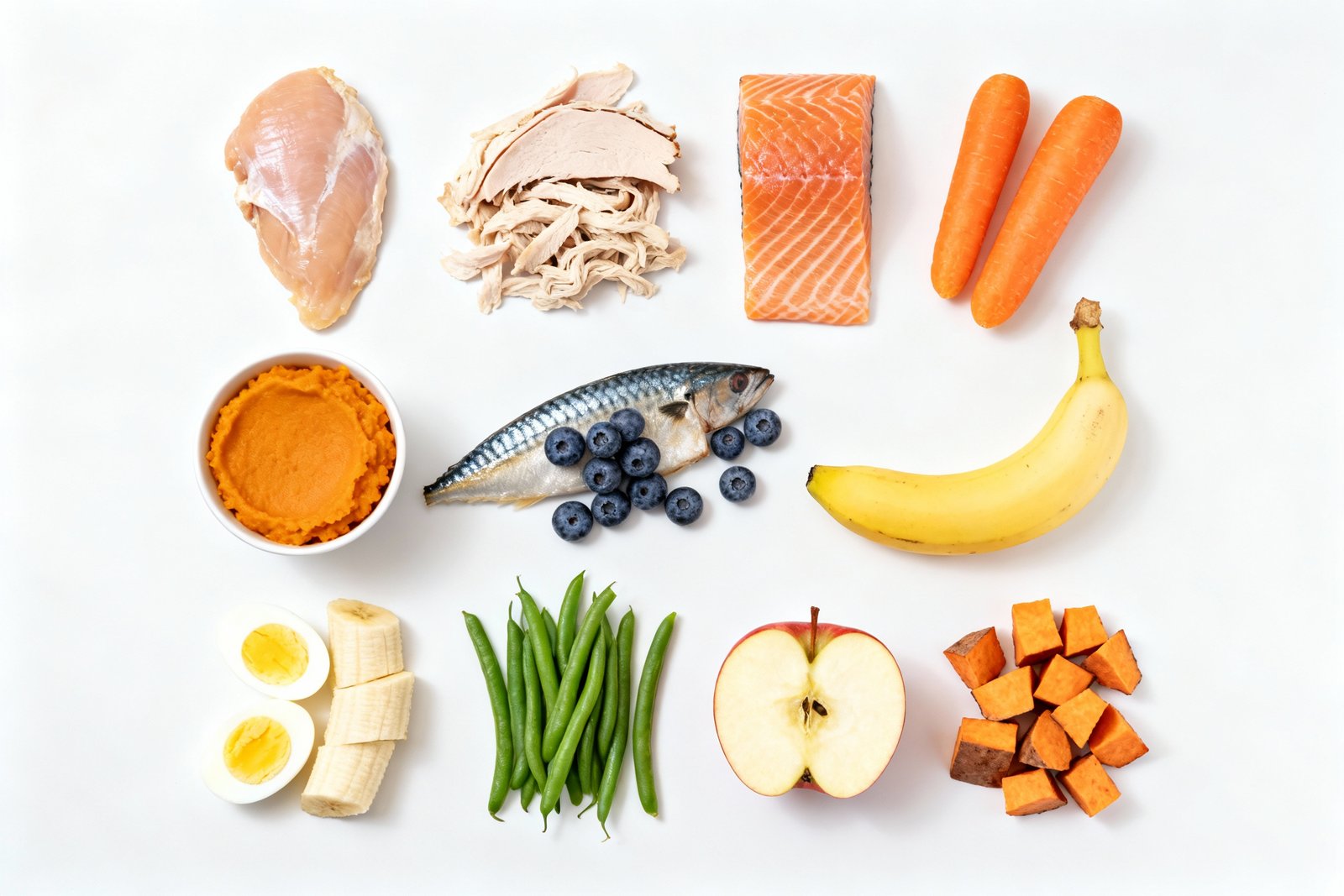
Let’s sum it up cleanly. These 11 make the “yes” list when served plain and in tiny portions:
- Cooked chicken
- Cooked turkey
- Lean cooked beef
- Cooked salmon
- Cooked tuna (occasional)
- Cooked eggs
- Plain yogurt (small amounts)
- Pumpkin (plain, cooked or canned)
- Blueberries
- Cucumber
- Peas
Bonus mentions: Small tastes of banana, rice, oats, and plain bread are generally okay, but they don’t add much. Think novelty, not nutrition.
How to Serve Snacks Like a Pro
You want safe, simple, and stress-free.
Here’s the game plan:
- Keep it plain: No salt, sauces, butter, oil, or seasonings.
- Chop small: Bite-sized pieces prevent choking.
- Start slow: Introduce one new food at a time.
- Watch your cat: Vomiting, diarrhea, or itchiness means “nope.”
- Store safely: Refrigerate leftovers and toss anything sketchy.
Portion guidelines
– Treats under 10% of daily calories – For most cats, that’s 20–30 calories in treats per day – Translation: a teaspoon or two of meat, or a few tiny bites of other foods
FAQ
Can kittens have human food?
Yes, but keep it extra minimal and focus on a complete kitten diet first. Their nutrition needs run high, and you don’t want to crowd out essential calories. If you share, stick to tiny pieces of cooked meat or egg and introduce slowly.
What human foods are toxic to cats?
Onions, garlic, chives, leeks, grapes, raisins, alcohol, caffeine, chocolate, xylitol (in sugar-free items), raw dough with yeast, and anything heavily salted or seasoned.
When in doubt, skip it. Your cat will survive not sampling your garlic bread.
Can lactose-free milk solve the dairy issue?
Sometimes. Lactose-free options reduce tummy trouble, but milk still isn’t necessary nutrition for cats.
If your cat begs for it, offer a teaspoon and see how they handle it. No upset? Fine as an occasional treat.
Is raw meat okay for cats?
Raw feeding carries risks: bacteria for both cats and humans, plus nutrient imbalances if the diet isn’t formulated correctly.
If you want to explore raw, work with your vet and follow strict food safety protocols. For most people, cooked is easier and safer, FYI.
My cat throws up after trying new foods—now what?
Stop the new food and offer bland, familiar meals. If vomiting continues, call your vet.
Some cats have sensitive systems and do best with very limited extras. No shame in being a culinary minimalist.
How often can I give these treats?
A few times a week works for most cats, as long as you keep portions tiny and balanced food stays the star. If treats replace meals, you risk nutritional gaps and a moody feline critic.
Conclusion
Sharing food with your cat can be fun, safe, and weirdly bonding—if you do it right.
Stick to the “safe 11,” keep portions small, and ditch the seasonings. Your cat gets variety, you get fewer guilt trips at dinner, and everyone wins. IMO, that’s a purr-fect compromise.